Ever stood in front of a wall of frying pans, feeling utterly overwhelmed? You’re not alone! As your go-to expert from Hljnt.com, with over 15 years immersed in the world of cookware, I’m here to tell you that selecting a truly Good Frying Pan is one of the most impactful decisions you can make for your kitchen. It’s not just about cooking; it’s about elevating your culinary experience, ensuring consistent results, and making daily meal prep a joy, not a chore. A truly good frying pan can transform your searing, sautéing, and frying, making every dish sing. So, let’s dive deep into what makes a frying pan truly stand out and how to pick the perfect partner for your kitchen adventures.
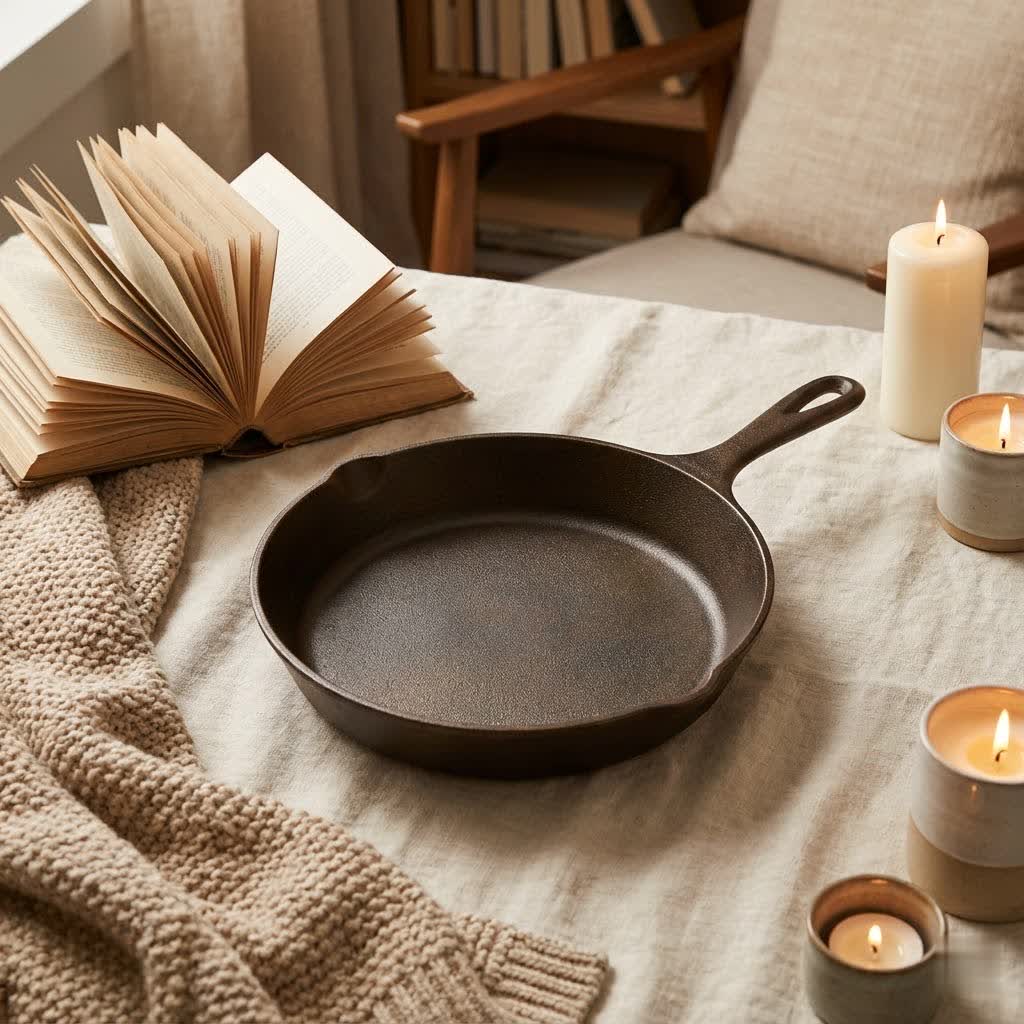
What Makes a Frying Pan “Good”? The Core Qualities
Before we explore the dizzying array of options, let’s nail down what defines a good frying pan. It’s more than just a piece of metal; it’s an extension of your cooking prowess. Here are the fundamental qualities to look for:
- Exceptional Heat Distribution: This is paramount. A good frying pan heats evenly across its entire surface, eliminating hot spots that lead to unevenly cooked food. Imagine a beautifully golden-brown crust on your steak from edge to edge – that’s even heat distribution at work.
- Superior Heat Retention: For tasks like searing, you need a pan that holds its heat even when you add food. This prevents the temperature from dropping significantly, ensuring that delightful crust develops rather than your food just steaming.
- Durability and Longevity: A good frying pan is an investment. You want a pan that can withstand the rigors of daily cooking, resist warping, scratching, and general wear and tear. It should be built to last, ideally for years, not months.
- Effective Non-Stick Properties (where applicable): Whether it’s a dedicated non-stick coating or a naturally seasoned surface, a good frying pan should offer easy food release. This simplifies cooking delicate items like eggs and makes cleanup a breeze.
- Comfort and Balance: Don’t underestimate the importance of ergonomics. A good frying pan feels comfortable in your hand, with a handle that stays cool (or is oven-safe) and a weight that feels substantial without being cumbersome.
Decoding Frying Pan Materials: Your Culinary Matchmaker
The heart of any good frying pan lies in its material. Each type offers unique strengths and is best suited for different cooking styles. Understanding these differences is key to finding your ideal good frying pan.
Non-Stick Frying Pans (PTFE-based, Ceramic-coated)
These are arguably the most popular choice for everyday cooking, beloved for their effortless food release.
- Pros: Incredibly easy to clean, requires minimal oil for healthier cooking, and perfect for delicate foods like eggs, pancakes, and fish.
- Cons: Generally less durable than other materials, susceptible to scratches (avoid metal utensils!), and typically not recommended for high-heat searing as it can damage the coating. Lifespan is often 1-5 years, even for a good frying pan of this type. Many modern non-stick pans are PFOA-free, addressing health concerns. Ceramic coatings offer a PFOA- and PTFE-free alternative, though their durability can vary.
- Best for: Delicate frying, gentle sautéing, healthy cooking.
|
Our Picks for the Best Frying Pan in 2026
As an Amazon Associate I earn from qualifying purchases.
|
||
| Num | Product | Action |
|---|---|---|
| 1 | Yonida Non Stick Frying Pans, 12-inch with Lid, Hybrid Frying Pans Nonstick Upgrade,non stick Skillets Stainless Steel, Dishwasher & Oven-Safe, Induction Compatible Cooking Pan, PFOA Free Cookware |

|
| 2 | Ammeloo Tri-Ply Stainless Steel Frying Pan Set of 3, 8\", 9.5\", 11\", Non Stick Frying Pans and Skillets, Non Toxic Hybrid Pan, Induction Compatible Cooking Pans, Chef Pan, Black Interior |
|
| 3 | Amazon Basics Non Stick Kitchen Cookware 15-Piece Set, Non-Induction, Includes Pots, Pans, and Utensils, Black |
|
| 4 | Tramontina Professional 10-Inch Non Stick Frying Pan, Heavy-Gauge Aluminum Skillet with Reinforced Nonstick Coating, Red Handle, Dishwasher and Oven Safe |
|
| 5 | Amazon Basics Ceramic Nonstick Pots and Pans Cookware Set, Dishwasher & Oven Safe, Even Heating, 10-Piece Set, Copper Color |
|
| 6 | CAROTE Nonstick Frying Pan Skillet,Non Stick Granite Fry Pan Egg Pan Omelet Pans, Stone Cookware Chef\'s Pan, PFOA Free,Induction Compatible(Classic Granite, 8-Inch) |
|
| 7 | SENSARTE Nonstick Frying Pan Skillet, Swiss Granite Coating Omelette Pan, Healthy Stone Cookware Chef\'s Pan, PFOA Free (8/9.5/10/11/12.5 Inch) (9.5 Inch) |
|
| 8 | Lodge 10.25 Inch Cast Iron Skillet – Pre-Seasoned Frying Pan with Teardrop Handle – Oven, Stovetop, Grill & Campfire Use – Made in USA – Durable, Non-Toxic, Even-Heating Cookware – Black |
|
| 9 | Amazon Basics Non Stick Kitchen Cookware 8-Piece Set, Non-Induction, Includes Pots and Pans, Black |
|
| 10 | All-Clad D3 12\" Stainless Steel Frying pan W/Lid, 3-Ply Stainless Steel Pan, Induction, Oven Broiler Safe 600F Skillet, Professional Cookware, Silver |
|
Stainless Steel Frying Pans
A true workhorse in professional kitchens, stainless steel is renowned for its versatility and resilience.
- Pros: Highly durable, rust- and corrosion-resistant, non-reactive with acidic foods (hello, tomato sauces!), oven-safe, and compatible with induction cooktops (especially multi-ply versions with an aluminum or copper core for better conductivity). Excellent for deglazing and building flavorful fond.
- Cons: Food can stick if not properly preheated and oiled, and heat conductivity can be poor unless it features a clad construction with an aluminum or copper core.
- Best for: Searing meats, sautéing vegetables, creating pan sauces, high-heat cooking.
Cast Iron Frying Pans
A timeless classic, cast iron offers incredible heat retention and a natural non-stick surface when properly seasoned.
- Pros: Unmatched heat retention, perfect for deep searing, extremely durable (can last generations!), and oven-safe. Develops a natural, chemical-free non-stick surface over time with seasoning. Can be used on any cooktop, including campfires.
- Cons: Very heavy, slow to heat up (but retains heat exceptionally well once hot), requires regular seasoning for maintenance, and reactive with acidic foods which can strip the seasoning and impart a metallic taste.
- Best for: Searing steaks, frying chicken, baking cornbread, high-heat cooking where consistent temperature is key.
Carbon Steel Frying Pans
Often considered the love child of cast iron and stainless steel, carbon steel offers excellent performance with less weight.
- Pros: Lighter than cast iron but offers similar searing capabilities and heat retention. Quickly responsive to temperature changes, making it great for precise cooking. Develops a natural non-stick seasoning. Durable and oven-safe.
- Cons: Requires seasoning and maintenance similar to cast iron to prevent rust and maintain non-stick properties. Can react with acidic foods.
- Best for: Searing, stir-frying, crepes, dishes requiring quick temperature adjustments.
Copper Frying Pans
The crème de la crème for culinary control, copper pans are as beautiful as they are functional.
- Pros: Superior heat conductivity and responsiveness, allowing for unparalleled temperature control. Heats up and cools down almost instantly. Visually stunning.
- Cons: Most expensive option, requires regular polishing to maintain its luster, and typically lined with tin or stainless steel as copper is highly reactive with food. Very heavy.
- Best for: Delicate sauces, precise temperature control, professional-level cooking.
“Choosing a good frying pan isn’t just about the latest trend; it’s about understanding the synergy between material and cooking method,” advises Chef Elara Vance, a leading culinary expert with Hljnt.com. “A well-selected pan becomes an extension of your hands, making every dish a masterpiece.”
Essential Features to Consider for Your Good Frying Pan
Beyond material, several other factors contribute to making a good frying pan truly great for your kitchen.
What Size Frying Pan Do You Need?
The ideal size of a good frying pan depends on your household size and cooking habits.
- 8-inch: Perfect for single servings, omelets, or individual pancakes.
- 10-inch: A versatile all-rounder for 1-2 people, great for sautéing vegetables, frying a couple of chicken breasts, or cooking fish fillets.
- 12-inch or larger: Ideal for families, cooking larger quantities, searing multiple steaks, or making pan pizza. A common recommendation for a single, versatile good frying pan is often an 11 or 12-inch non-stick.
Handle Design and Comfort
A comfortable, sturdy handle is crucial for safety and ease of use. Look for:
- Secure Attachment: Riveted handles are generally more durable than welded ones.
- Heat Resistance: Handles made of stainless steel or cast iron can get hot, so consider silicone sleeves or oven mitts. Phenolic (plastic) handles usually stay cool but limit oven-safety.
- Ergonomics: The handle should feel balanced and comfortable in your grip, especially when the pan is full.
Induction Compatibility
If you have an induction stovetop, your good frying pan must have a magnetic base. Cast iron, carbon steel, and many stainless steel pans (especially those with a steel bottom layer) are induction compatible. Aluminum and copper pans need a ferromagnetic plate on the bottom to work. Always check the product specifications!
Oven Safety
Many recipes start on the stovetop and finish in the oven. Ensure your good frying pan can handle the heat! Pans with all-metal construction (stainless steel, cast iron, carbon steel, enameled cast iron) are generally oven-safe, but always check the maximum temperature rating. Pans with plastic or wooden handles may have limitations.
Weight and Balance
While a heavy pan often indicates quality and good heat retention, it shouldn’t be so heavy that it’s difficult to maneuver, especially for tossing ingredients. Find a balance that feels right for you.
Caring for Your Good Frying Pan: Tips for Longevity
Even the best frying pan requires proper care to maintain its performance and extend its life.
- Non-stick: Hand wash with mild soap and a soft sponge. Avoid abrasive cleaners and metal utensils. Don’t overheat empty.
- Stainless Steel: Can often go in the dishwasher, but hand washing is recommended for longevity. For stuck-on bits, deglaze with liquid or use a mild abrasive cleaner like Bar Keepers Friend.
- Cast Iron/Carbon Steel: Avoid harsh soaps. Wash with hot water and a stiff brush, then dry immediately and re-season with a thin layer of oil. Never put in the dishwasher or leave to air dry, as it can rust.
- General Tip: Always let your pan cool down before washing to prevent warping due to thermal shock.
FAQ: Your Quick Questions Answered About a Good Frying Pan
Q: What is the single best frying pan for every type of cooking?
A: There isn’t one “best” frying pan for everything. A good frying pan collection usually includes a versatile stainless steel pan for searing and sauces, and a non-stick pan for delicate items like eggs. Some cooks also swear by cast iron or carbon steel for high-heat tasks.
Q: How do I know if my frying pan is induction compatible?
A: To check if your frying pan is induction compatible, hold a magnet to its bottom. If the magnet sticks firmly, your pan will work on an induction cooktop. Most cast iron, carbon steel, and multi-ply stainless steel pans are magnetic.
Q: Is a heavier frying pan always better?
A: A heavier pan often indicates thicker construction and better heat retention, which are desirable qualities for a good frying pan. However, excessively heavy pans can be difficult to handle. The “best” weight is a balance of performance and comfort for the user.
Q: How often should I replace my non-stick frying pan?
A: A good non-stick frying pan typically lasts between 1 to 5 years, depending on quality and usage. If the coating is scratched, flaking, or food starts sticking consistently, it’s time for a replacement for both performance and health reasons.
Q: Can I use metal utensils in any good frying pan?
A: No. Metal utensils should generally be avoided in non-stick and ceramic-coated frying pans as they can damage the surface. For stainless steel, cast iron, and carbon steel pans, metal utensils are usually fine, but silicone, wood, or nylon are often recommended to protect the pan’s finish.
Invest in Quality, Enjoy the Process
Choosing a good frying pan is a fundamental step toward becoming a more confident and capable home cook. It’s about understanding your needs, recognizing the strengths of different materials, and making an informed investment in tools that will serve you well for years to come. Whether you opt for the searing power of cast iron, the versatility of stainless steel, or the ease of non-stick, remember that a good frying pan isn’t just cookware; it’s a partner in your culinary journey. So take the plunge, choose wisely, and get ready to elevate every meal you create. Happy cooking!
