A cast iron frying pan is a durable, versatile, and high-performing piece of cookware that offers unmatched heat retention, natural non-stick properties (with proper seasoning), and the ability to transition from stovetop to oven. With over 15 years of cookware expertise, Hljnt recommends cast iron for its longevity and ability to enhance flavors, making it a favorite among chefs and home cooks for perfectly seared steaks and golden cornbread.
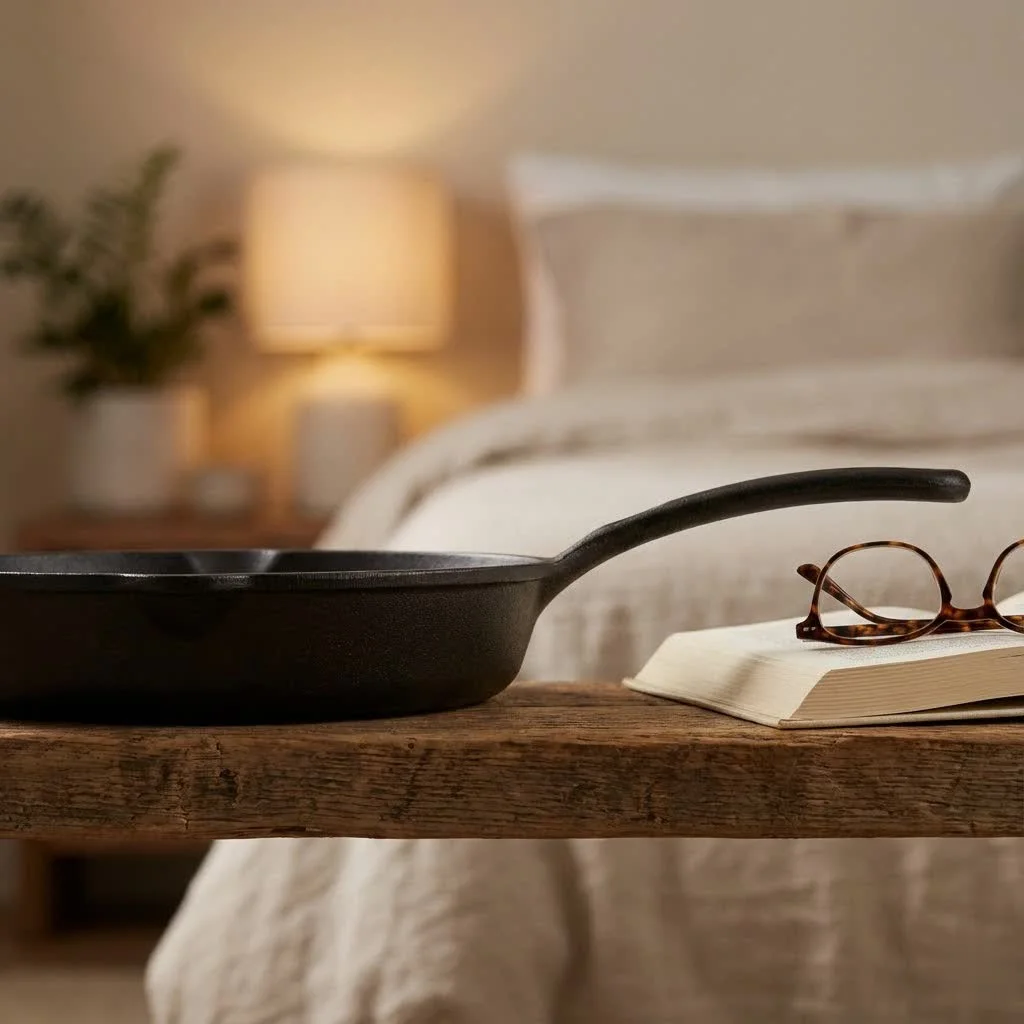
Why a Cast Iron Frying Pan Belongs in Your Kitchen
Cast iron frying pans have been kitchen staples for centuries due to their practical benefits that enhance everyday cooking. For expert reviews reviews on this site.
Unmatched Heat Retention and Distribution
One of the most remarkable qualities of a cast iron frying pan is its ability to hold and distribute heat incredibly well. Unlike lighter pans that cool down rapidly when food is added, cast iron maintains a consistent, high temperature, making it ideal for achieving that perfect, crispy sear on meats or creating a beautiful crust on baked goods. It takes a little longer to heat up initially, but once hot, it stays hot, ensuring even cooking and reducing energy consumption.
The Magic of Natural Non-Stick (with Proper Seasoning)
Forget those flimsy non-stick coatings that chip and degrade over time. A properly seasoned cast iron frying pan develops its own natural, chemical-free non-stick surface. This “seasoning” is a layer of polymerized oil that bonds with the iron, creating a smooth, slick barrier that prevents food from sticking and protects the pan from rust. The more you cook with it, especially with fats, the better and more robust this non-stick layer becomes.
Built to Last: Durability That Spans Generations
When we talk about a “lifetime investment” in cookware, the cast iron frying pan is often the first thing that comes to mind. These pans are virtually indestructible. Drop it, scratch it, neglect it for a bit – with the right care, a cast iron pan can almost always be restored to its former glory. Many families proudly pass down their seasoned cast iron frying pans through generations, a shows their incredible longevity.
Beyond the Stove: Versatility from Oven to Open Flame
Few pans can boast the same level of versatility as cast iron. It transitions seamlessly from the stovetop to the oven, making it perfect for dishes that require searing followed by baking, like frittatas or skillet roasted chicken. You can even take it camping and use it over an open campfire. This adaptability means fewer dishes and more creative cooking opportunities.
Health Benefits and Chemical-Free Cooking
|
Our Picks for the Best Frying Pan in 2026
As an Amazon Associate I earn from qualifying purchases.
|
||
| Num | Product | Action |
|---|---|---|
| 1 | SENSARTE Nonstick Frying Pan Skillet, Swiss Granite Coating Omelette Pan, Healthy Stone Cookware Chef\'s Pan, PFOA Free (8/9.5/10/11/12.5 Inch) (9.5 Inch) |

|
| 2 | Amazon Basics Ceramic Nonstick Pots and Pans Cookware Set, Dishwasher & Oven Safe, Even Heating, 10-Piece Set, Copper Color |
|
| 3 | Amazon Basics Non Stick Kitchen Cookware 8-Piece Set, Non-Induction, Includes Pots and Pans, Black |
|
| 4 | Lodge 10.25 Inch Cast Iron Skillet – Pre-Seasoned Frying Pan with Teardrop Handle – Oven, Stovetop, Grill & Campfire Use – Made in USA – Durable, Non-Toxic, Even-Heating Cookware – Black |
|
| 5 | Ammeloo Tri-Ply Stainless Steel Frying Pan Set of 3, 8\", 9.5\", 11\", Non Stick Frying Pans and Skillets, Non Toxic Hybrid Pan, Induction Compatible Cooking Pans, Chef Pan, Black Interior |
|
| 6 | Tramontina Professional 10-Inch Non Stick Frying Pan, Heavy-Gauge Aluminum Skillet with Reinforced Nonstick Coating, Red Handle, Dishwasher and Oven Safe |
|
| 7 | Amazon Basics Non Stick Kitchen Cookware 15-Piece Set, Non-Induction, Includes Pots, Pans, and Utensils, Black |
|
| 8 | All-Clad D3 12\" Stainless Steel Frying pan W/Lid, 3-Ply Stainless Steel Pan, Induction, Oven Broiler Safe 600F Skillet, Professional Cookware, Silver |
|
| 9 | CAROTE Nonstick Frying Pan Skillet,Non Stick Granite Fry Pan Egg Pan Omelet Pans, Stone Cookware Chef\'s Pan, PFOA Free,Induction Compatible(Classic Granite, 8-Inch) |
|
| 10 | Yonida Non Stick Frying Pans, 12-inch with Lid, Hybrid Frying Pans Nonstick Upgrade,non stick Skillets Stainless Steel, Dishwasher & Oven-Safe, Induction Compatible Cooking Pan, PFOA Free Cookware |
|
In an era where concerns about chemical coatings in cookware are prevalent, the cast iron frying pan offers a healthy, worry-free alternative. It’s completely free of PTFE and PFOA, the chemicals found in traditional non-stick pans. Cooking in cast iron can actually fortify your food with small amounts of dietary iron, which can be beneficial for those looking to increase their iron intake.
Demystifying Seasoning: The Heartbeat of Your Cast Iron Frying Pan
Seasoning is the cornerstone of cast iron care and performance. It’s not as daunting as it sounds; think of it as building a protective, naturally non-stick skin for your pan.
What Exactly is Cast Iron Seasoning?
Seasoning is essentially a baked-on layer of polymerized oil that coats the cast iron, creating a smooth, dark, and non-stick surface. This layer prevents rust and allows food to release easily. When oil is heated past its smoke point, it breaks down and reforms into a hard, plastic-like substance that bonds with the porous iron. “The beauty of cast iron lies in its ability to improve with every use,” explains Clara Nguyen, a seasoned culinary historian and Hljnt contributor. “Each time you cook with fat and heat, you’re nurturing that non-stick layer, making your pan an even better cooking companion.”
Step-by-Step: Initial Seasoning for a New Pan
While many cast iron frying pans come “pre-seasoned,” adding a few more layers yourself will ensure the best start.
- Clean Thoroughly: Wash your new pan with warm soapy water and a brush. Yes, soap is fine! The old adage about never using soap on cast iron is largely outdated, especially for initial cleaning. Rinse well.
- Dry Completely: This is crucial. Water is cast iron’s enemy. Dry the pan immediately and thoroughly with a towel, then place it on a stovetop over low heat for a few minutes until all moisture has evaporated.
- Apply a Thin Layer of Oil: Once dry and slightly warm, apply a very thin, even layer of high-smoke-point cooking oil (like vegetable oil, grapeseed oil, flaxseed oil, or melted shortening) to every surface of the pan – inside, outside, and handle. Use a paper towel to wipe off any excess. The pan should look lightly gleaming, not greasy. Too much oil will result in a sticky, gummy finish.
- Bake the Pan: Place the pan upside down on the middle rack of a cold oven. Place a sheet of aluminum foil on the bottom rack to catch any potential drips. Preheat the oven to 350-450°F (175-230°C) and “bake” the pan for one hour.
- Cool Completely: Turn off the oven and let the pan cool down completely inside the oven. This allows the oil to properly polymerize and bond with the iron.
- Repeat: For a robust initial seasoning, repeat steps 3-5 at least 2-3 more times. The more layers, the stronger and more non-stick your pan will be.
The Art of Maintenance: Keeping Your Seasoning Strong
After each use, simply follow these steps to maintain your cast iron frying pan’s seasoning:
- Clean Promptly: Wash with warm water and a gentle scrub brush or non-abrasive sponge. A small amount of soap is acceptable if needed. For stubborn bits, a chain-mail scrubber works wonders.
- Dry Immediately: Again, dry thoroughly with a towel, then place it back on a low heat stovetop for a few minutes to ensure it’s bone dry.
- Lightly Oil: Once dry, apply another very thin layer of cooking oil to the cooking surface, buffing it in with a paper towel. This adds another micro-layer of seasoning and protects against rust.
- Re-season as Needed: If you notice your pan becoming dull, food starting to stick more, or any spots of rust appearing, it’s a good sign it’s time for a full re-seasoning process, similar to the initial seasoning steps.
Cooking with Confidence: What to Fry, Sear, and Bake
The cast iron frying pan is incredibly versatile, but understanding its strengths and limitations will help you get the best results and protect your seasoning.
Ideal Dishes for Your Cast Iron Frying Pan
Cast iron excels at any cooking method that benefits from high, even heat and excellent heat retention.
- Searing: Steaks, chicken, pork chops, and fish develop an incredible crust.
- Frying: Fried chicken, eggs, bacon, potatoes, and other pan-fried delights come out beautifully crispy.
- Baking: Cornbread, skillet cookies, pizzas, and even small loaves of bread bake evenly with a fantastic golden bottom crust.
- Sautéing: Vegetables, mushrooms, and stir-fries get a great char and cook through thoroughly.
- Roasting: Start a dish on the stovetop and finish it in the oven, like roasted chicken or vegetable medleys.
Foods to Approach with Caution (Especially with New Pans)
While durable, there are a few types of food that can be harsh on your cast iron frying pan’s seasoning, particularly when the pan is new or not heavily seasoned.
- Acidic Foods: Dishes high in acidity, such as tomato sauces, lemon juice, wine reductions, or vinegar-based marinades, can strip away the seasoning and may even impart a metallic taste to your food. It’s best to avoid cooking these for extended periods in a new or lightly seasoned pan. Once your pan has a robust, dark seasoning, occasional use with acidic ingredients is less problematic, but still be mindful.
- Delicate Foods: Until your pan is very well seasoned, extremely delicate foods like thin fish fillets or very sticky desserts might be more prone to sticking. Start with fattier foods like bacon or pan-fried potatoes to build up your seasoning layers first.
Tips for Best Cooking Results
- Preheat Properly: Always preheat your cast iron frying pan gradually over medium heat for several minutes before adding food. This ensures even heat across the entire cooking surface and prevents sticking.
- Use Enough Fat: While well-seasoned, a little oil or butter helps ensure food release and contributes to building up your seasoning over time.
- Avoid Extreme Temperature Changes: Rapid heating or cooling can stress the metal. Always let your pan cool down naturally before washing.
Cast Iron Frying Pan Care: Cleaning, Storage, and Troubleshooting
Proper care is simpler than you might think and is key to ensuring your cast iron frying pan lasts a lifetime.
Cleaning Your Cast Iron: The Soap Debate Settled
The myth that you can never use soap on cast iron is largely a relic of the past, from when soaps contained lye that would indeed strip seasoning. Modern mild dish soaps are fine for cleaning your cast iron frying pan. The key is to use it sparingly and always dry the pan completely afterward. For stubborn food bits, hot water and a stiff brush, or even a chain-mail scrubber, will do the trick without harming the seasoning. Avoid abrasive scrubbers like steel wool, which can scrape off your hard-earned seasoning. And absolutely never put your cast iron in the dishwasher!
Preventing Rust and Restoring Your Pan
Rust is the archenemy of cast iron, and it primarily forms when moisture is left on the pan. The best prevention is thorough drying and a light coat of oil after every wash. If you do find rust spots:
- Scrub the Rust: Use steel wool or a stiff brush with some soap and hot water to scrub away all visible rust.
- Rinse and Dry: Rinse thoroughly and immediately dry the pan completely on the stovetop.
- Re-season: Once the pan is clean and dry, perform a full re-seasoning process (as described in the “Initial Seasoning” section) to build a new protective layer.
Proper Storage for Longevity
After cleaning and lightly oiling, store your cast iron frying pan in a dry place. If stacking other pans on top, place a paper towel or cloth liner inside the cast iron pan to protect the seasoning and absorb any residual moisture.
Cast Iron vs. Stainless Steel: Which Pan for Which Task?
While a cast iron frying pan is a kitchen essential, it’s often compared to stainless steel. Understanding their differences helps you choose the right tool for the job.
Heat Dynamics: Quick Changes vs. Steady Heat
Stainless steel pans, especially those with an aluminum or copper core, heat up very quickly and respond rapidly to temperature changes. This makes them excellent for delicate sauces, quick sautés, or dishes requiring precise temperature control. Cast iron, conversely, takes its time to heat up, but once hot, it retains that heat for extended periods, making it superior for searing and slow, even cooking.
Maintenance & Versatility
Stainless steel is generally low-maintenance: non-reactive, resistant to corrosion, and often dishwasher-safe (though handwashing is still recommended). It doesn’t require seasoning and can handle any type of food. Cast iron, as we’ve discussed, requires ongoing seasoning and careful drying but offers unparalleled durability and a natural non-stick surface. While cast iron is incredibly versatile, stainless steel shines when boiling, simmering, or deglazing, where its quick heat response and non-reactivity are assets.
Flavor Contribution
Stainless steel is a neutral cooking surface, allowing the pure flavors of your ingredients to shine. A well-seasoned cast iron frying pan, however, can impart a subtle, rich depth to your food over time, thanks to the layers of polymerized fats. This is often celebrated, adding to the pan’s unique character. A well-equipped kitchen often benefits from having both.
Embrace the Legacy of the Cast Iron Frying Pan
The cast iron frying pan is more than just a piece of cookware; it’s a culinary journey. It’s about slowing down, understanding your tools, and appreciating the deep, rich flavors it helps create. With the knowledge you’ve gained from Hljnt, you’re now equipped to confidently select, season, cook with, and care for your cast iron frying pan, transforming it into a cherished heirloom. Embrace its unique qualities, experiment with new recipes, and revel in the satisfaction of cooking with a pan that truly stands the test of time. Your kitchen, and your palate, will thank you.
Frequently Asked Questions
Can I use soap to clean my cast iron frying pan?
Yes, you can use mild dish soap to clean your cast iron frying pan. Modern dish soaps are formulated differently than older lye-based soaps and will not strip away your seasoning. The most important thing is to dry the pan completely and immediately after washing to prevent rust.
What is the best oil for seasoning a cast iron pan?
High-smoke-point oils are best for seasoning cast iron pans. Popular choices include vegetable oil, grapeseed oil, flaxseed oil, and melted shortening. These oils polymerize effectively, creating a durable, non-stick surface.
How often do I need to re-season my cast iron frying pan?
For daily use, a light maintenance oiling after each wash is often sufficient. A full oven re-seasoning may be needed every few months, or whenever you notice food sticking more, or if the pan appears dull and patchy, or shows signs of rust.
Can I cook acidic foods like tomatoes in my cast iron pan?
It's best to limit cooking highly acidic foods like tomatoes, citrus, or vinegar-based sauces in your cast iron pan, especially if it's new or not very well seasoned. Acids can strip the seasoning and impart a metallic taste to your food. Once a pan has a robust, dark seasoning, occasional use is less problematic.
Is cast iron cookware really healthier?
Yes, cast iron is considered a healthier alternative to traditional non-stick pans as it is free from harmful chemicals like PTFE and PFOA. Additionally, cooking in cast iron can introduce small, beneficial amounts of dietary iron into your food, which can be advantageous for those looking to increase their iron intake.
How do I remove rust from my cast iron frying pan?
To remove rust, scrub the affected areas with steel wool or a stiff brush using warm water and a little soap. Once all rust is gone, rinse, dry thoroughly on the stovetop, and then perform a full oven re-seasoning to build a new protective layer on the bare iron.
Initial Seasoning for a New Cast Iron Pan
Learn how to properly season a new cast iron frying pan to create a durable, non-stick surface and protect it from rust. This process involves cleaning, oiling, and baking the pan multiple times.
Wash your new pan with warm soapy water and a brush to remove any factory residues. Rinse the pan well to ensure no soap residue remains.
Immediately and thoroughly dry the pan with a towel. Place it on a stovetop over low heat for a few minutes to evaporate all remaining moisture, as water is cast iron's enemy.
Once dry and slightly warm, apply a very thin, even layer of high-smoke-point cooking oil (e.g., vegetable, grapeseed, flaxseed) to all surfaces of the pan. Use a paper towel to wipe off any excess; the pan should look lightly gleaming, not greasy, to avoid a sticky finish.
Place the pan upside down on the middle rack of a cold oven, with aluminum foil on the bottom rack to catch drips. Preheat the oven to 350-450u00b0F (175-230u00b0C) and bake the pan for one hour.
Turn off the oven and let the pan cool completely inside. This allows the oil to polymerize properly. For a robust initial seasoning, repeat steps 3-5 at least 2-3 more times to build stronger, more non-stick layers.
Get our weekly buyer guide
Practical specs, not advice. Unsubscribe anytime.
I’ve had my cast iron frying pan for years and it’s truly a workhorse. The heat retention is just incredible, especially when I’m searing steaks. It gets that perfect crust every time, just like the guide mentioned. Definitely worth the investment for anyone serious about cooking.
I appreciate the durability of cast iron, and it does a good job with even heat. However, I find it a bit heavy to maneuver, especially when I’m trying to pour things out. It’s great for oven use, but for everyday stovetop cooking, I sometimes reach for something lighter.
My cast iron frying pan has completely transformed my cooking. I love that I can start something on the stove and then pop it straight into the oven without switching pans. It really does enhance the flavors, and cleanup is surprisingly easy once you get the hang of it.
I recently got into using cast iron and I’m loving it. The natural non-stick properties after proper seasoning are a game changer for eggs. It took a little practice to get the seasoning right, but now it’s my go-to pan for so many dishes. My cornbread has never been better!