An oven-safe frying pan is designed to withstand high oven temperatures without damage, warping, or leaching harmful substances. Its oven-safety depends on the core materials, handle construction, and any applied coatings. For example, cast iron and stainless steel pans with all-metal handles are generally oven-safe to high temperatures, while non-stick coatings typically have lower maximum temperature ratings, often around 500°F (260°C) or less.
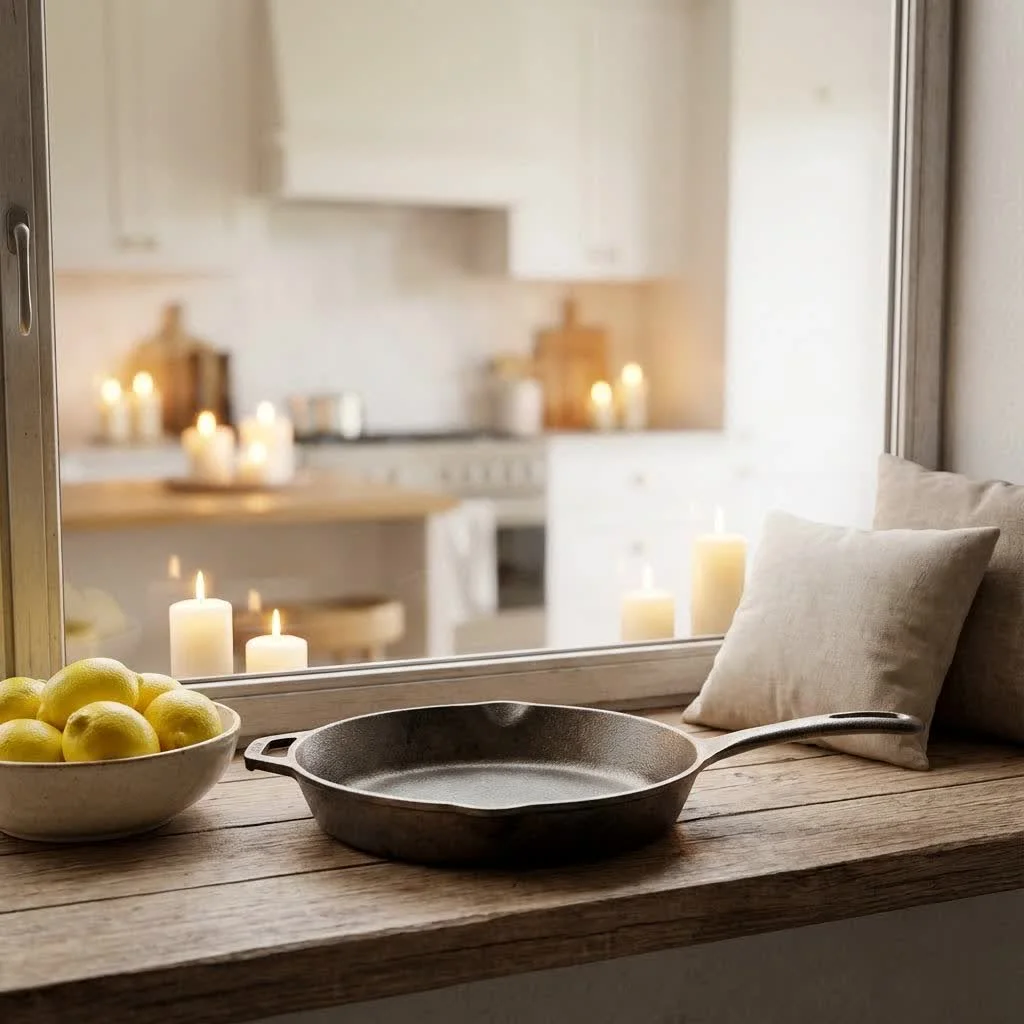 frying pan with a metal handle on a stovetop” style=”margin: 20px auto;width: 800px;max-width: 100%;height: auto” />
What Makes a Frying Pan Truly Oven-Safe?
It’s a common question, and the answer isn’t always straightforward. An oven-safe frying pan is essentially designed to withstand the high, enveloping heat of an oven without suffering damage, warping, or leaching harmful substances into your food. This capability hinges on a few critical elements: the core materials, the handle construction, and any coatings applied to the pan.
Core Materials: The Foundation of Heat Resistance
The body of your frying pan is the first line of defense against oven heat. Certain metals excel in high-temperature environments. Cast iron, known for its incredible heat retention and durability, is a classic choice. Stainless steel offers remarkable resilience and even heating, while carbon steel boasts a high heat tolerance with a lighter weight. Aluminum, especially hard-anodized versions, can also be oven-safe, providing a good balance of heat efficiency and reduced weight. Copper pans are excellent heat conductors, but their oven-safety often depends on their internal lining.
Handle Materials: The Often-Overlooked Detail
While the pan’s body might be robust, the handle is often the weak link. Metal handles – think stainless steel, cast iron, or wrought iron – are typically your safest bet for oven use. However, plastic, silicone, or wooden handles are a different story. Unless explicitly stated by the manufacturer and rated for high oven temperatures, these materials can melt, crack, or even burn, making them unsuitable for the oven. Always double-check!
Coatings: From Seasoning to Non-Stick
The interior coating of your pan also plays a vital role. Pans with natural seasoning, like those made from cast iron or carbon steel, are generally fine, though extreme heat can sometimes affect the seasoning. Enameled surfaces, common on cast iron, are usually oven-safe, but their temperature limits can vary by brand and enamel quality. Non-stick coatings, particularly those made with PTFE (often known by the brand name Teflon), are trickier. While many modern non-stick pans are oven-safe, they typically have lower maximum temperature ratings (often around 500°F/260°C or less) to prevent the coating from degrading or releasing fumes. Ceramic non-stick coatings also have their own specific temperature thresholds, which can be even lower.
Lids: Don’t Forget the Cover!
Just like handles, not all lids are created equal when it comes to oven safety. Metal lids are generally fine, but glass lids often have lower temperature limits, typically around 350-425°F (175-220°C). Always check the manufacturer’s guidelines for your specific lid, or simply remove it if you’re unsure.
Dive Deep: Popular Oven-Safe Frying Pan Materials
|
Our Picks for the Best Frying Pan in 2026
As an Amazon Associate I earn from qualifying purchases.
|
||
| Num | Product | Action |
|---|---|---|
| 1 | SENSARTE Nonstick Frying Pan Skillet, Swiss Granite Coating Omelette Pan, Healthy Stone Cookware Chef\'s Pan, PFOA Free (8/9.5/10/11/12.5 Inch) (9.5 Inch) |

|
| 2 | Amazon Basics Ceramic Nonstick Pots and Pans Cookware Set, Dishwasher & Oven Safe, Even Heating, 10-Piece Set, Copper Color |
|
| 3 | Amazon Basics Non Stick Kitchen Cookware 15-Piece Set, Non-Induction, Includes Pots, Pans, and Utensils, Black |
|
| 4 | Amazon Basics Non Stick Kitchen Cookware 8-Piece Set, Non-Induction, Includes Pots and Pans, Black |
|
| 5 | Tramontina Professional 10-Inch Non Stick Frying Pan, Heavy-Gauge Aluminum Skillet with Reinforced Nonstick Coating, Red Handle, Dishwasher and Oven Safe |
|
| 6 | Yonida Non Stick Frying Pans, 12-inch with Lid, Hybrid Frying Pans Nonstick Upgrade,non stick Skillets Stainless Steel, Dishwasher & Oven-Safe, Induction Compatible Cooking Pan, PFOA Free Cookware |
|
| 7 | Ammeloo Tri-Ply Stainless Steel Frying Pan Set of 3, 8\", 9.5\", 11\", Non Stick Frying Pans and Skillets, Non Toxic Hybrid Pan, Induction Compatible Cooking Pans, Chef Pan, Black Interior |
|
| 8 | CAROTE Nonstick Frying Pan Skillet,Non Stick Granite Fry Pan Egg Pan Omelet Pans, Stone Cookware Chef\'s Pan, PFOA Free,Induction Compatible(Classic Granite, 8-Inch) |
|
| 9 | All-Clad D3 12\" Stainless Steel Frying pan W/Lid, 3-Ply Stainless Steel Pan, Induction, Oven Broiler Safe 600F Skillet, Professional Cookware, Silver |
|
| 10 | Lodge 10.25 Inch Cast Iron Skillet – Pre-Seasoned Frying Pan with Teardrop Handle – Oven, Stovetop, Grill & Campfire Use – Made in USA – Durable, Non-Toxic, Even-Heating Cookware – Black |
|
Understanding the properties of different materials is key to making an informed choice for your next oven-safe frying pan.
Cast Iron: The Indestructible Classic
Cast iron frying pans, whether seasoned or enameled, are legendary for their oven-safe capabilities. Seasoned cast iron can handle temperatures well above 930°F (500°C), with some sources even suggesting they can endure indefinitely, though very high heat might affect the seasoning. The sheer mass of cast iron means it retains heat beautifully, making it perfect for dishes that need a consistent temperature, like cornbread or baked chicken. Enameled cast iron, like Lodge’s, typically offers oven-safety up to 500°F (260°C). The main drawback? They’re heavy, so maneuvering them in and out of a hot oven requires a bit of muscle and careful handling.
Stainless Steel: The Versatile Workhorse
Stainless steel frying pans are incredibly versatile and a staple in many professional kitchens. Most high-quality stainless steel pans with all-metal handles are oven-safe, often capable of withstanding temperatures between 500°F (260°C) and 900°F (480°C). Some premium stainless steel clad pans are even rated up to 800°F (425°C). The layered construction of clad stainless steel, often with aluminum or copper cores, ensures excellent heat distribution. They’re relatively low-maintenance and don’t react with acidic foods, making them ideal for a wide range of recipes, from finishing a sauce to keeping a dish warm.
Carbon Steel: The Chef’s Secret Weapon
Carbon steel frying pans are rapidly gaining popularity for their fantastic performance. Lighter than cast iron but with similar seasoning properties and excellent heat retention, they can often handle extremely high oven temperatures, with some models rated up to an astonishing 1200°F (650°C). This makes them fantastic for searing and then transferring to a screaming hot oven to finish. They heat up quickly and are responsive to temperature changes, making them a favorite for precision cooking.
Aluminum (Anodized): The Lighter Option
Uncoated aluminum pans are generally oven-safe up to 500-600°F (260-320°C). Hard-anodized aluminum versions, which have a hardened, non-reactive surface, can often tolerate even higher temperatures, sometimes up to 750°F (400°C). Aluminum is prized for its excellent heat conductivity and lightweight nature, making it easier to handle than cast iron. However, uncoated aluminum may react with acidic foods, so anodized versions or those with protective coatings are often preferred for oven use with certain ingredients.
Copper: The Beauty and the Brawn
Copper frying pans are stunning to look at and offer unparalleled heat conductivity, heating up quickly and evenly. They are generally oven-safe, often up to 500-700°F (260-370°C). Modern copper pans are typically lined with stainless steel to prevent reactivity with food. However, if you possess a vintage copper pan, be cautious: some older models are lined with tin, which has a much lower melting point of around 450°F (232°C) and should not be placed in a hot oven.
The Critical Role of Handles and Coatings
Let’s be real, a pan is only as oven-safe as its least resilient component. And more often than not, that’s the handle or the coating.
Handles: The “Do’s and Don’ts”
- Do Look For: Pans with solid metal handles (stainless steel, cast iron, wrought iron) that are riveted securely. These are designed to go into the oven and come out unscathed. Always use oven mitts, as these handles will get extremely hot!
- Don’t Assume: If your pan has a plastic, wooden, or even a detachable silicone handle, do not assume it’s oven-safe unless the manufacturer explicitly states it and provides a maximum temperature. Plastic will melt, wood will char, and even heat-resistant silicone often has a lower threshold than the pan itself. “I’ve seen countless well-meaning cooks ruin a perfectly good pan by forgetting to check the handle,” warns Chef Antoine Dubois, a culinary expert with over two decades of experience. “It’s a simple check that can save you a lot of grief and a new pan.”
Non-Stick Coatings: Understanding Limitations and Safe Alternatives
Non-stick frying pans are undeniably convenient on the stovetop, but their oven-safety is where things get a bit nuanced.
- PTFE/Teflon: Most non-stick pans with PTFE coatings have specific maximum oven temperatures, commonly around 450-500°F (230-260°C). Exceeding these limits can cause the coating to degrade, flake, and potentially release harmful fumes. Some older Teflon pans made before 2013 may contain PFOA and should be avoided entirely for oven use. Always, always check the manufacturer’s guidelines for your specific non-stick pan.
- Ceramic Coatings: Ceramic-coated pans are often seen as a “healthier” non-stick alternative, typically free from chemicals like PTFE and PFOA. However, they can also have temperature limitations, usually ranging from 400-480°F (200-250°C). High heat can cause the ceramic coating to crack or peel over time.
For high-temperature oven cooking, traditional non-stick isn’t always the best choice. Consider seasoned cast iron, carbon steel, or stainless steel for maximum heat resilience.
How to Identify an Oven-Safe Frying Pan
So, you’re standing in front of your cookware cabinet, wondering if your favorite frying pan can make the leap from stovetop to oven. Here’s your checklist:
- Check Manufacturer Labels and Symbols: This is your absolute first step. Look for explicit statements like “Oven safe up to 500°F (260°C)” on the pan’s underside, packaging, or product manual. Some brands use a specific icon (often a square with an oven symbol) to indicate oven safety.
- The “All-Metal” Rule of Thumb: If your pan, including its handles, is made entirely of metal (cast iron, stainless steel, carbon steel, or copper with metal handles), it’s generally safe for oven use. This simple rule often holds true for higher temperatures.
- Inspect the Handles: As we’ve discussed, non-metal handles are a red flag. If it’s plastic, wood, or silicone, and there’s no clear “oven-safe” labeling, keep it out of the oven.
- Consider the Coating: For non-stick or ceramic-coated pans, a specific temperature limit is usually provided. If it’s absent, err on the side of caution.
- When in Doubt, Don’t! If you’ve checked everything and still aren’t sure, it’s safer to use an alternative pan that you know is oven-safe. Better safe than sorry when it comes to kitchen safety and preserving your cookware.
Maximizing Your Oven-Safe Frying Pan Experience
You’ve got your oven-safe frying pan. Now, let’s make the most of it!
Best Practices for Use
- Preheating Wisely: For pans with non-stick coatings, avoid preheating on high heat, as this can degrade the coating. For cast iron or carbon steel, a gradual preheat is always best to ensure even heating.
- Always Use Oven Mitts: Metal handles get incredibly hot in the oven. Always use dry, thick oven mitts or pot holders when transferring your pan.
- Be Mindful of Temperatures: While many pans are oven-safe to high temperatures, always stick to the manufacturer’s maximum rating. If a recipe calls for broiler use, ensure your pan (and its lid, if applicable) is broiler-safe and maintain a safe distance from the heating element.
- Allow to Cool: Let your pan cool down significantly before cleaning to prevent thermal shock, which can damage some materials and coatings.
Cleaning and Maintenance Tips
- Handwashing is Often Best: Especially for cast iron and carbon steel, handwashing with warm water and a gentle scrub is ideal to preserve the seasoning. For stainless steel, most are dishwasher-safe, but handwashing extends their lifespan.
- Avoid Abrasive Cleaners: Harsh scourers or abrasive cleaners can damage coatings and finishes.
- Re-season Cast Iron/Carbon Steel: If your seasoned pan looks dry or food starts to stick, give it a quick re-seasoning.
Common Oven-to-Stovetop Recipes
An oven-safe frying pan truly shines in recipes that require both stovetop searing and oven roasting or baking. Think:
- Perfectly Seared Steak: Get that beautiful crust on the stovetop, then finish in the oven for ideal doneness.
- Frittatas and Quiches: Start your egg mixture on the hob, then bake to fluffy perfection in the oven.
- Skillet Roasts: Brown your chicken or vegetables, then let them tenderize in the oven.
- Skillet Desserts: From giant chocolate chip cookies to fruit crumbles, these are always a hit.
- Dutch Babies (German Pancakes): These impressive puffy pancakes are a breeze when you can pop the pan straight into the oven.
Frequently Asked Questions (FAQ)
Q: Can all stainless steel pans go in the oven?A: Not necessarily. While the stainless steel material itself is highly heat-resistant, the oven-safety of a stainless steel pan depends heavily on its handle material. If it has plastic or wooden components, it likely has a lower temperature limit or isn’t oven-safe at all. Always check the manufacturer’s guidelines.
Q: What happens if I put a non-oven-safe pan in the oven?A: Using a pan beyond its safe temperature rating can lead to various problems. Plastic or wooden handles can melt or burn, coatings can degrade and release harmful fumes, the pan could warp, and in some cases, glass lids can shatter. It’s a safety hazard and can permanently damage your cookware.
Q: Are non-stick pans ever oven safe?A: Yes, many modern non-stick pans are oven-safe, but they typically have specific maximum temperature limits, usually around 350-500°F (175-260°C). It is crucial to check the manufacturer’s instructions for the exact temperature rating, as exceeding it can damage the coating and potentially release fumes.
Q: What’s the highest temperature a frying pan can withstand in the oven?A: Carbon steel pans often have the highest temperature tolerance, with some rated up to 1200°F (650°C). Cast iron can handle temperatures well above 930°F (500°C), and stainless steel pans with metal handles typically range from 500°F to 900°F (260-480°C). However, these extremely high temperatures are usually for the pan material itself, and coatings or specific construction might lower this limit.
Q: How do I know the temperature limit of my pan?A: Always refer to the manufacturer’s instructions or the product information. This information is often found on the original packaging, in the user manual, or sometimes etched on the bottom of the pan itself. If you can’t find this information, it’s best to assume a lower oven-safe temperature or avoid oven use entirely, especially for pans with non-metal handles or non-stick coatings.
Conclusion
Embracing the versatility of an oven-safe frying pan truly transforms your cooking, opening up a world of recipes that seamlessly transition from stovetop to oven. By understanding the nuances of materials, handle construction, and coatings, you can confidently choose the right pan for your kitchen, ensuring both delicious results and safe cooking practices. So, go ahead, empower your culinary adventures with the perfect oven-safe frying pan. Your kitchen—and your taste buds—will thank you!
Frequently Asked Questions
Can all stainless steel pans go in the oven?
Not all stainless steel pans are oven-safe. While the stainless steel material itself is heat-resistant, the pan's oven-safety depends on its handle material. Pans with plastic or wooden components likely have a lower temperature limit or are not oven-safe at all; always check manufacturer guidelines.
What happens if I put a non-oven-safe pan in the oven?
Using a pan beyond its safe temperature rating can cause plastic or wooden handles to melt or burn, coatings to degrade and release harmful fumes, or the pan to warp. In some cases, glass lids can shatter, posing a significant safety hazard and permanently damaging your cookware.
Are non-stick pans ever oven safe?
Yes, many modern non-stick pans are oven-safe, but they typically have specific maximum temperature limits, usually between 350-500u00b0F (175-260u00b0C). It is crucial to check the manufacturer's instructions for the exact temperature rating, as exceeding it can damage the coating and potentially release fumes.
What's the highest temperature a frying pan can withstand in the oven?
Carbon steel pans often have the highest temperature tolerance, with some models rated up to 1200u00b0F (650u00b0C). Cast iron can handle temperatures well above 930u00b0F (500u00b0C), and stainless steel pans with metal handles typically range from 500u00b0F to 900u00b0F (260-480u00b0C).
How do I know the temperature limit of my pan?
Always refer to the manufacturer's instructions or product information, which can be found on the original packaging, in the user manual, or sometimes etched on the bottom of the pan. If this information is unavailable, assume a lower oven-safe temperature or avoid oven use, especially for pans with non-metal handles or non-stick coatings.
Get our weekly buyer guide
Practical specs, not advice. Unsubscribe anytime.
I appreciate the breakdown of different materials. I already have a cast iron pan that I love for its oven-safe properties, especially for searing steaks and then finishing them off. It’s true what they say about the high temperatures it can handle. My only minor gripe is how heavy it is, but the results are always worth the arm workout!
I’ve been looking for a good oven-safe pan for ages, and the info here about stainless steel with all-metal handles was super helpful. I finally got one and it’s a game-changer for dishes that start on the stove and finish in the oven. No more transferring food to a separate baking dish, which saves so much time and cleanup. Definitely recommend going for a quality stainless steel option.
I bought a non-stick pan thinking it would be great for everything, but I learned the hard way about the temperature limits. Mine is only safe up to 400°F, which is a bit restrictive when I want to really crank up the oven for certain recipes. Wish I had paid more attention to the maximum temperature ratings before buying. It’s good for everyday stovetop stuff, but not ideal for high-heat oven use.
This really clarified why some pans are better than others for oven use. I always wondered about the handle construction and now it makes perfect sense why an all-metal handle is key. I just upgraded to a carbon steel pan and it’s fantastic for going from stovetop to oven without a hitch. It heats evenly and cleans up pretty easily too.