A true glass frying pan designed for stovetop frying is rare and generally not recommended for high-heat tasks like searing or sautéing due to poor heat distribution and susceptibility to thermal shock. While glass cookware excels in ovens for baking and slow cooking, its material properties make it unsuitable for the direct, intense, and often uneven heat of a stovetop burner, leading to unevenly cooked food and potential breakage.
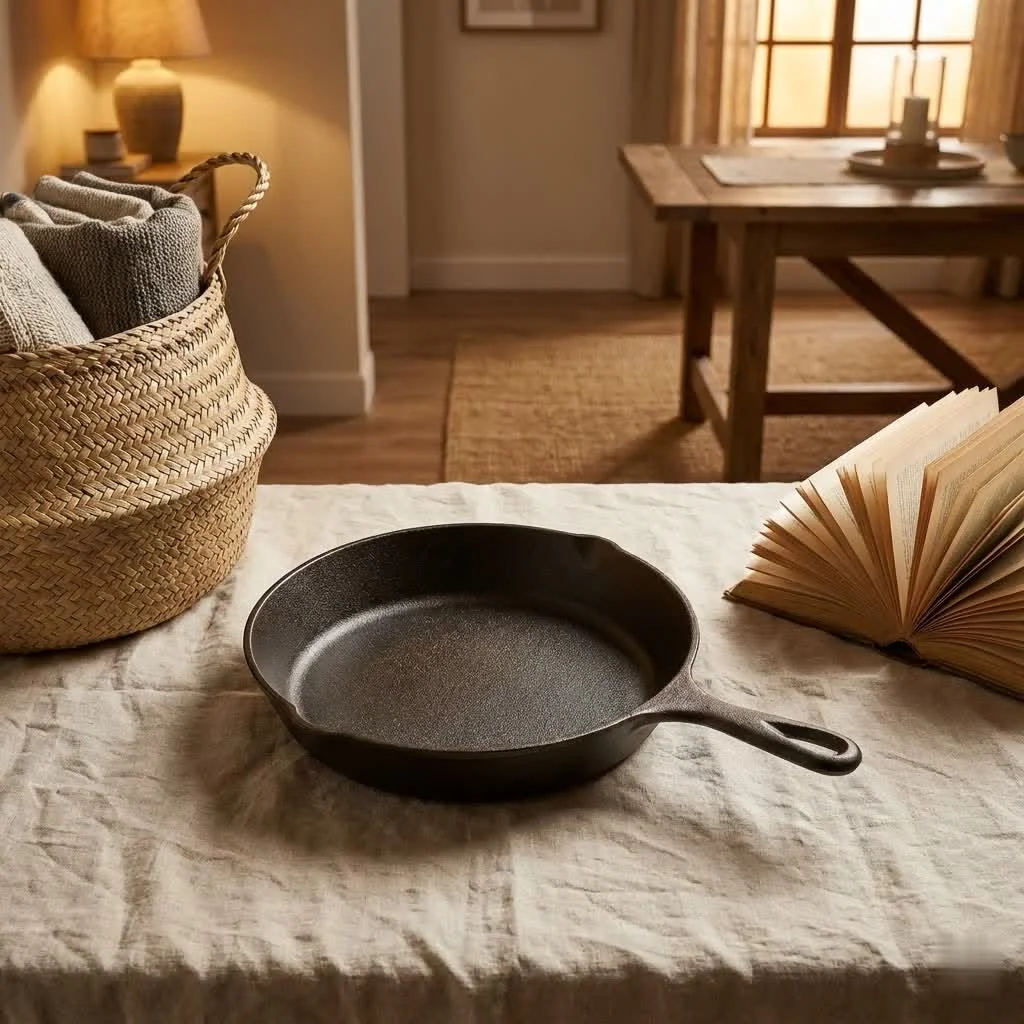
What Exactly is a “Glass Frying Pan”? Understanding Glass Cookware
When we talk about a “glass frying pan,” it’s crucial to understand that we’re generally referring to a broader category: glass cookware. While glass baking dishes are ubiquitous, a true frying pan designed specifically for stovetop frying out of glass is quite rare. Most glass cookware you encounter, like classic Pyrex, is engineered for oven baking, microwave heating, and storage.
Not Your Average Skillet: The Material Science
The glass used in cookware isn’t your typical window pane. It’s usually tempered glass or glass-ceramic, designed to withstand higher temperatures and thermal stress than ordinary glass. Tempered glass undergoes a special heating and rapid cooling process that makes it significantly stronger and more resistant to breakage. Glass-ceramic takes it a step further, offering even greater thermal shock resistance. However, even with these enhancements, the fundamental properties of glass differ significantly from metals traditionally used in frying pans.
Where Glass Cookware Shines (and Where It Doesn’t)
Glass cookware excels in environments where heat is applied gently and evenly, like inside an oven. Its transparency is fantastic for monitoring progress without lifting a lid. But when it comes to the direct, intense, and often uneven heat of a stovetop burner, glass faces some serious challenges that make it less than ideal for frying.
The Pros: Why People Are Drawn to Glass Cookware
Despite its limitations for stovetop frying, glass cookware has several compelling advantages that make it a cherished item in many kitchens.
Health and Safety: A Non-Toxic Choice
One of the biggest draws to glass cookware is its non-toxic nature. In an age where concerns about chemical coatings in traditional non-stick pans are prevalent, glass offers a completely inert cooking surface. It won’t leach chemicals into your food, nor will it react with acidic ingredients, making it a pure and safe option for health-conscious cooks. This peace of mind is invaluable for many home chefs.
Easy to Clean and Maintain
Glass cookware is remarkably easy to clean. Its smooth, non-porous surface prevents food from sticking aggressively, and it’s almost always dishwasher safe. You can even use a metal scourer without worrying about damaging a delicate non-stick coating (though it might scratch the surface aesthetically, it won’t impact performance). This low-maintenance aspect is a huge plus for busy individuals.
Visual Appeal and Oven-to-Table Convenience
|
Our Picks for the Best Frying Pan in 2026
As an Amazon Associate I earn from qualifying purchases.
|
||
| Num | Product | Action |
|---|---|---|
| 1 | Amazon Basics Ceramic Nonstick Pots and Pans Cookware Set, Dishwasher & Oven Safe, Even Heating, 10-Piece Set, Copper Color |

|
| 2 | Amazon Basics Non Stick Kitchen Cookware 15-Piece Set, Non-Induction, Includes Pots, Pans, and Utensils, Black |
|
| 3 | Lodge 10.25 Inch Cast Iron Skillet – Pre-Seasoned Frying Pan with Teardrop Handle – Oven, Stovetop, Grill & Campfire Use – Made in USA – Durable, Non-Toxic, Even-Heating Cookware – Black |
|
| 4 | Ammeloo Tri-Ply Stainless Steel Frying Pan Set of 3, 8\", 9.5\", 11\", Non Stick Frying Pans and Skillets, Non Toxic Hybrid Pan, Induction Compatible Cooking Pans, Chef Pan, Black Interior |
|
| 5 | Yonida Non Stick Frying Pans, 12-inch with Lid, Hybrid Frying Pans Nonstick Upgrade,non stick Skillets Stainless Steel, Dishwasher & Oven-Safe, Induction Compatible Cooking Pan, PFOA Free Cookware |
|
| 6 | SENSARTE Nonstick Frying Pan Skillet, Swiss Granite Coating Omelette Pan, Healthy Stone Cookware Chef\'s Pan, PFOA Free (8/9.5/10/11/12.5 Inch) (9.5 Inch) |
|
| 7 | All-Clad D3 12\" Stainless Steel Frying pan W/Lid, 3-Ply Stainless Steel Pan, Induction, Oven Broiler Safe 600F Skillet, Professional Cookware, Silver |
|
| 8 | CAROTE Nonstick Frying Pan Skillet,Non Stick Granite Fry Pan Egg Pan Omelet Pans, Stone Cookware Chef\'s Pan, PFOA Free,Induction Compatible(Classic Granite, 8-Inch) |
|
| 9 | Tramontina Professional 10-Inch Non Stick Frying Pan, Heavy-Gauge Aluminum Skillet with Reinforced Nonstick Coating, Red Handle, Dishwasher and Oven Safe |
|
| 10 | Amazon Basics Non Stick Kitchen Cookware 8-Piece Set, Non-Induction, Includes Pots and Pans, Black |
|
Let’s be honest, glass cookware looks elegant. The ability to see your food as it cooks adds a fun, interactive element, especially when baking layered dishes. Glass dishes transition beautifully from oven to table, doubling as attractive serving ware. This dual functionality can simplify meal preparation and presentation.
The Cons: Why Glass Frying Pans Aren’t Common for Searing and Frying
Now, let’s address the elephant in the kitchen: why you rarely see dedicated glass frying pans performing alongside their metal counterparts on a stovetop.
The Heat Distribution Dilemma: Uneven Cooking
This is arguably the most significant drawback. Glass is a poor conductor of heat compared to metals like aluminum, copper, or cast iron. It heats up slowly and, more critically, it doesn’t distribute heat evenly. This means you’ll likely experience “hot spots” – areas that get much hotter than others – leading to unevenly cooked food, burnt patches, and frustrating results when frying. For delicate tasks like searing a steak or achieving a perfect golden-brown on a pancake, this unevenness is a deal-breaker.
Thermal Shock and Breakage Risk
While tempered glass and glass-ceramic are designed to be durable, they are still susceptible to thermal shock. This occurs when there’s a rapid or extreme change in temperature, such as placing a hot glass pan under cold water or putting a cold pan directly onto a blazing-hot burner. The stress can cause the glass to crack or even shatter, posing a safety hazard and an untimely end to your cookware. “Glass is fantastic for specific culinary tasks, but for consistent high-heat frying, conventional materials simply perform better,” says Dr. Evelyn Reed, a renowned material science engineer specializing in cookware.
Compatibility Issues: Stovetop Limitations
Most glass cookware is not recommended for direct stovetop use, particularly on electric coil burners, where direct, intense heat can concentrate in one area. While some specialized glass-ceramic cookware can be used on certain stovetops (often with a heat diffuser), it’s a niche product. Glass is also not suitable for induction cooktops because it doesn’t contain ferromagnetic materials needed for induction heating. This severely limits its versatility as a primary frying tool.
Weight and Handling
Glass cookware tends to be heavier than its metal counterparts. While this might not be an issue for a static baking dish, trying to flip ingredients or toss food in a heavy glass frying pan can be cumbersome and less ergonomic, especially during active stovetop cooking.
So, Can You Fry in a Glass Pan? The Short Answer
For traditional, high-heat stovetop frying – where you’re aiming for quick searing, even browning, and delicate control – a dedicated glass frying pan is generally not recommended. Its inherent properties of poor heat distribution and susceptibility to thermal shock make it unsuitable for these tasks.
Best Uses for Glass Cookware in Your Kitchen
Instead of fighting against its nature, embrace where glass cookware truly excels:
- Baking: Casseroles, gratins, roasted vegetables, and baked pasta dishes are perfect for glass.
- Slow Cooking: Dishes that require gentle, prolonged heat in the oven.
- Microwave Heating: Excellent for reheating leftovers safely.
- Storage: Glass containers are ideal for storing food, easily transitioning from fridge to microwave or oven.
- Keeping Warm: Glass retains heat well, making it good for keeping food warm after cooking.
When to Avoid Glass for Frying
Avoid using glass cookware for:
- High-heat searing: Steaks, burgers, or anything needing a strong crust.
- Quick stir-frying: Where rapid, even heat is essential.
- Delicate items: Eggs or pancakes that demand precise temperature control to prevent sticking and burning.
- Deep-frying: Due to the risk of thermal shock and inconsistent oil temperatures.
Alternatives for Safe and Effective Frying
If your goal is effective and healthy frying, there are far better options available that provide superior performance and durability.
Cast Iron: The Workhorse for Searing
For unparalleled searing and heat retention, cast iron is king. It heats slowly but evenly and maintains temperature beautifully, creating those coveted crispy crusts. It’s also naturally non-stick when seasoned properly and incredibly durable.
Stainless Steel: Versatile and Durable
A staple in professional kitchens, stainless steel offers excellent heat distribution (especially multi-ply versions), durability, and versatility. It’s great for browning, sautéing, and deglazing, though it may require more oil to prevent sticking than dedicated non-stick surfaces.
Ceramic Non-Stick (PFOA/PFAS Free): For Health-Conscious Frying
If you’re looking for an easy-release surface without the concern of traditional chemical coatings, modern ceramic non-stick pans are an excellent choice. Many brands now offer PFOA- and PFAS-free options that provide a great cooking experience for eggs, fish, and other delicate foods.
FAQ
Can you really fry eggs in a glass frying pan?
While theoretically possible with extreme care and low heat, frying eggs in a glass frying pan is not recommended due to uneven heating and a high risk of sticking and burning. Traditional frying pans will give you far better results.
Is glass cookware safe on an electric stove?
Most glass cookware is not safe for direct contact with electric stovetop elements. The concentrated, direct heat can lead to thermal shock and breakage. Always check the manufacturer’s instructions for specific stovetop compatibility.
What kind of glass cookware is best for the oven?
Tempered glass and glass-ceramic cookware (like Pyrex or CorningWare) are excellent for oven use. They are designed to handle sustained oven temperatures for baking, roasting, and casseroles.
How do you prevent glass cookware from breaking?
To prevent breakage, avoid sudden temperature changes (thermal shock). Do not place hot glass into cold water or a cold pan onto a very hot burner. Allow glass cookware to cool gradually before washing, and avoid dropping it or subjecting it to impact.
Are glass frying pans better than non-stick?
For stovetop frying, traditional non-stick pans (especially modern PFOA/PFAS-free options) are generally superior to glass due to better heat distribution and food release. However, glass offers a completely non-toxic surface, making it excellent for oven-based non-stick needs.
Conclusion
The allure of a transparent glass frying pan is undeniable, but the reality for active stovetop frying is that glass cookware, with its limitations in heat conductivity and susceptibility to thermal shock, isn’t the ideal tool. It shines brightly in other areas of the kitchen – baking, roasting, and safe food storage – offering a non-toxic, easy-to-clean solution. For your frying needs, I recommend sticking to the tried-and-true champions like cast iron, stainless steel, or modern ceramic non-stick. By understanding the strengths and weaknesses of each material, you can confidently choose the right pan for every culinary adventure, optimizing your cooking experience and ensuring delicious, perfectly prepared meals every time.
Frequently Asked Questions
Can you really fry eggs in a glass frying pan?
Frying eggs in a glass frying pan is not recommended due to uneven heating and a high risk of sticking and burning. While theoretically possible with extreme care and low heat, traditional frying pans will yield far better results for delicate items like eggs.
Is glass cookware safe for use on an electric stove?
Most glass cookware is not safe for direct contact with electric stovetop elements. The concentrated, direct heat can lead to thermal shock and breakage. Always consult the manufacturer's instructions for specific stovetop compatibility to ensure safety.
What kind of glass cookware is best for oven use?
Tempered glass and glass-ceramic cookware, such as Pyrex or CorningWare, are excellent for oven use. These materials are specifically designed to handle sustained oven temperatures, making them ideal for baking, roasting, and casseroles without risk of damage.
How can you prevent glass cookware from breaking during use?
To prevent breakage, avoid sudden temperature changes, also known as thermal shock. Do not place hot glass into cold water or a cold pan directly onto a very hot burner. Allow glass cookware to cool gradually before washing, and avoid dropping it or subjecting it to impact.
Are glass frying pans superior to non-stick pans for cooking?
For stovetop frying, traditional non-stick pans (especially modern PFOA/PFAS-free options) are generally superior to glass due to better heat distribution and food release. However, glass offers a completely non-toxic surface, making it an excellent choice for oven-based non-stick needs.
Get our weekly buyer guide
Practical specs, not advice. Unsubscribe anytime.
I was hoping to find a good glass option for frying since I’m trying to reduce chemicals in my kitchen. While it was helpful to understand the thermal shock issue, I’m a bit disappointed there aren’t really any viable stovetop glass frying pans out there. I guess I’ll have to keep looking for other non-toxic alternatives for my everyday frying.
This was super informative! I always wondered why I never saw true glass frying pans in stores, only baking dishes. The explanation about poor heat distribution and potential breakage from uneven stovetop heat makes perfect sense. I’ll definitely keep my glass cookware for oven use and stick to more traditional materials for frying.
I’ve always been curious about glass frying pans, and this really cleared things up. I have a few Pyrex dishes I love for baking, but I can totally see now why they wouldn’t work for searing a steak on the stovetop. It makes sense that the direct heat would be an issue. I’ll stick to my cast iron for high-heat cooking, but it’s good to know the limitations.