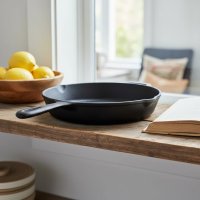
Welcome to Hljnt, where we believe the right frying pan isn’t just a tool; it’s an extension of your culinary passion. With over 15 years immersed in the world of cookware, I’ve seen countless innovations and timeless classics. Understanding the unique characteristics of each frying pan type is crucial for elevating your cooking, ensuring both delicious results and the longevity of your kitchen investments. Let’s dive deep into the 8 essential frying pan types that every home chef, from novice to seasoned pro, should know about.
1. The Workhorse: Stainless Steel Frying Pans
Stainless steel frying pans are the undisputed champions of versatility in the kitchen. Crafted from an alloy of iron, chromium, and sometimes nickel, these pans are renowned for their durability, resistance to corrosion, and non-reactive surface. This means you can confidently cook acidic ingredients like tomato sauces or lemon-infused dishes without worrying about metallic flavors leaching into your food.
Their primary strength lies in their ability to achieve a beautiful sear and create a fond (those browned bits at the bottom of the pan) that forms the base for incredible pan sauces. While not inherently non-stick, with proper preheating and a bit of fat, stainless steel performs exceptionally well for searing meats and sautéing vegetables. Many high-quality stainless steel pans feature a multi-ply construction, often with an aluminum or copper core, to ensure rapid and even heat distribution. According to Lena Chen, Head Culinary Scientist at Hljnt, “Stainless steel is the foundation of any serious kitchen. Its ability to handle high heat and resist reactivity makes it indispensable for a wide range of cooking tasks, especially when building complex flavors.”
2. The Legacy Piece: Cast Iron Frying Pans
There’s a reason cast iron frying pans have been passed down through generations – they are practically indestructible. Made from a single piece of iron, these heavy-duty pans are celebrated for their unparalleled heat retention and even heat distribution once preheated. This makes them ideal for high-heat searing, achieving a perfect crust on steaks, or even baking cornbread in the oven.
While initially requiring seasoning (a layer of polymerized oil baked onto the surface) to become non-stick, a well-seasoned cast iron pan can rival any non-stick coating and impart a unique flavor to your food. They transition seamlessly from stovetop to oven and can even be used over an open flame. However, their weight and specific care requirements (no harsh soaps, regular re-seasoning) can be a learning curve for some.
3. The Chef’s Secret: Carbon Steel Frying Pans
Carbon steel frying pans offer a fantastic middle ground between stainless steel and cast iron. Lighter and more responsive to temperature changes than cast iron, they still offer excellent heat retention and, with proper seasoning, develop a natural non-stick surface. Many professional kitchens favor carbon steel for its ability to get incredibly hot for searing, while still being maneuverable enough for tossing and flipping.
These pans are made from an alloy of iron and carbon, making them very durable. Like cast iron, they require seasoning and are reactive to acidic foods if not well-seasoned. Carbon steel is a fantastic choice for those who appreciate the benefits of cast iron but prefer a lighter pan that can still achieve that perfect restaurant-quality sear and quick, even cooking.
4. The Everyday Essential: Traditional Non-Stick (PTFE) Frying Pans
For delicate foods that absolutely cannot stick, traditional non-stick frying pans coated with PTFE (Polytetrafluoroethylene, commonly known as Teflon) are a kitchen staple. They make cooking eggs, pancakes, delicate fish, or crêpes effortless, often with minimal oil, and cleanup is a breeze.
However, these pans require gentle handling. They are best used on low to medium heat, as overheating can cause the coating to degrade and potentially release fumes. Metal utensils should be avoided to prevent scratches, which can compromise the non-stick surface. While newer PTFE coatings are PFOA-free, their lifespan is generally shorter than other pan types, and they typically need replacing every few years depending on usage. “For those morning omelets or delicate pan-fried fish, a quality non-stick pan is a true time-saver,” advises Lena Chen. “Just remember, treat it kindly, and it will serve you well for its intended purpose.”
5. The Health-Conscious Alternative: Ceramic Non-Stick Frying Pans
Ceramic non-stick frying pans emerged as a popular alternative for those seeking PFOA and PTFE-free options. These pans feature a coating derived from silica (sand), which provides a smooth, non-stick surface. They often boast a vibrant aesthetic and can generally withstand slightly higher temperatures than traditional PTFE coatings without releasing fumes.
While ceramic non-stick pans offer an attractive “greener” choice and good initial non-stick performance, their non-stick properties can degrade faster over time, particularly if not cared for meticulously. They are excellent for low to medium-heat cooking and can be a good choice for those prioritizing chemical-free cooking surfaces, but regular replacement should be anticipated for optimal performance.
6. The Best of Both Worlds: Enameled Cast Iron Frying Pans
Enameled cast iron frying pans combine the superb heat retention and durability of traditional cast iron with the added convenience of an enamel (glass) coating. This coating makes the pan non-reactive, so you can cook acidic dishes without concern, and eliminates the need for seasoning. It also provides a naturally somewhat non-stick surface and makes cleanup much easier than raw cast iron.
Often found in beautiful colors, enameled cast iron pans are heavy but incredibly versatile, moving from stovetop to oven with ease. They are perfect for braising, shallow frying, and slow-cooking, offering consistent, even heat. The main drawbacks are their considerable weight, higher price point, and the potential for the enamel to chip if dropped or subjected to extreme thermal shock.
7. The Precision Cooker: Copper Frying Pans
For chefs who demand ultimate control and responsiveness, copper frying pans are the gold standard. Copper is an exceptional conductor of heat, meaning these pans heat up incredibly fast and cool down almost instantly when removed from the heat source. This precise temperature control is invaluable for delicate sauces, working with sugar, or achieving perfectly caramelized results.
Modern copper pans are typically lined with stainless steel to prevent copper from reacting with food, making them safe and durable. While they are often the most expensive option and require polishing to maintain their gleaming appearance, their performance for intricate cooking tasks is unmatched. “Copper isn’t just about aesthetics; it’s about unparalleled culinary control,” states Lena Chen. “For delicate reductions or temperamental ingredients, there’s simply no substitute.”
8. The Durable Performer: Hard-Anodized Aluminum Frying Pans
Hard-anodized aluminum frying pans offer a compelling balance of performance, durability, and often, non-stick properties. Through an electrochemical process, aluminum’s surface is hardened, making it incredibly resistant to scratches, corrosion, and warping – far more so than untreated aluminum. Many hard-anodized pans also feature a non-stick coating (often PTFE or ceramic) on their cooking surface.
These pans are lighter than cast iron or stainless steel and heat up quickly and evenly, thanks to aluminum’s inherent conductivity. They are a robust option for everyday cooking, offering a great balance of heat performance and easier maintenance. Hard-anodized aluminum is a smart choice for those seeking a durable, often non-stick pan that isn’t as heavy as other professional-grade options.
Choosing Your Perfect Frying Pan: Key Considerations
Selecting the ideal frying pan boils down to understanding your cooking style, budget, and willingness to maintain your cookware.
- Your Cooking Style: Do you frequently sear meats at high heat? Opt for stainless steel, cast iron, or carbon steel. Are you an egg and pancake enthusiast? A non-stick or ceramic pan will be your best friend.
- Maintenance Level: If you prefer minimal fuss, enameled cast iron or quality stainless steel might suit you. If you don’t mind seasoning and special care, cast iron or carbon steel offer rewarding results.
- Stovetop Compatibility: Most pans work on gas and electric, but if you have an induction cooktop, ensure your chosen pan is induction-compatible (typically magnetic materials like cast iron, carbon steel, and certain stainless steel or hard-anodized aluminum with a magnetic base).
- Budget: Prices vary widely, so consider what you’re willing to invest for performance and longevity.
Frequently Asked Questions (FAQs)
Q1: What’s the best all-around frying pan material?
|
Our Picks for the Best Frying Pan in 2026
As an Amazon Associate I earn from qualifying purchases.
|
||
| Num | Product | Action |
|---|---|---|
| 1 | SENSARTE Nonstick Frying Pan Skillet, Swiss Granite Coating Omelette Pan, Healthy Stone Cookware Chef\'s Pan, PFOA Free (8/9.5/10/11/12.5 Inch) (9.5 Inch) |

|
| 2 | Lodge 10.25 Inch Cast Iron Skillet – Pre-Seasoned Frying Pan with Teardrop Handle – Oven, Stovetop, Grill & Campfire Use – Made in USA – Durable, Non-Toxic, Even-Heating Cookware – Black |
|
| 3 | Ammeloo Tri-Ply Stainless Steel Frying Pan Set of 3, 8\", 9.5\", 11\", Non Stick Frying Pans and Skillets, Non Toxic Hybrid Pan, Induction Compatible Cooking Pans, Chef Pan, Black Interior |
|
| 4 | Amazon Basics Non Stick Kitchen Cookware 8-Piece Set, Non-Induction, Includes Pots and Pans, Black |
|
| 5 | Amazon Basics Ceramic Nonstick Pots and Pans Cookware Set, Dishwasher & Oven Safe, Even Heating, 10-Piece Set, Copper Color |
|
| 6 | Yonida Non Stick Frying Pans, 12-inch with Lid, Hybrid Frying Pans Nonstick Upgrade,non stick Skillets Stainless Steel, Dishwasher & Oven-Safe, Induction Compatible Cooking Pan, PFOA Free Cookware |
|
| 7 | CAROTE Nonstick Frying Pan Skillet,Non Stick Granite Fry Pan Egg Pan Omelet Pans, Stone Cookware Chef\'s Pan, PFOA Free,Induction Compatible(Classic Granite, 8-Inch) |
|
| 8 | Amazon Basics Non Stick Kitchen Cookware 15-Piece Set, Non-Induction, Includes Pots, Pans, and Utensils, Black |
|
| 9 | All-Clad D3 12\" Stainless Steel Frying pan W/Lid, 3-Ply Stainless Steel Pan, Induction, Oven Broiler Safe 600F Skillet, Professional Cookware, Silver |
|
| 10 | Tramontina Professional 10-Inch Non Stick Frying Pan, Heavy-Gauge Aluminum Skillet with Reinforced Nonstick Coating, Red Handle, Dishwasher and Oven Safe |
|
A high-quality, multi-ply stainless steel frying pan is often considered the best all-around option due to its versatility, durability, and non-reactive nature, capable of handling most cooking tasks from searing to making sauces.
Q2: How do I care for my non-stick frying pan?
To extend the life of your non-stick pan, use low to medium heat, avoid metal utensils, handwash with a soft sponge, and allow it to cool completely before washing.
Q3: Can I use metal utensils on all frying pans?
No, metal utensils should generally be avoided on non-stick (PTFE and ceramic) pans as they can scratch and damage the coating. Stainless steel, cast iron, and carbon steel pans can tolerate metal utensils.
Q4: What’s the difference between a frying pan and a skillet?
The terms “frying pan” and “skillet” are often used interchangeably, referring to a round, shallow pan with sloped sides and a long handle. Historically, “skillet” sometimes referred specifically to cast iron versions, but today, they largely mean the same thing.
Q5: Are ceramic non-stick pans truly safe?
Yes, ceramic non-stick pans are generally considered safe as they are free from PTFE and PFOA. However, their non-stick properties may degrade more quickly than traditional non-stick coatings with heavy use.
No matter your culinary ambitions, understanding these 8 essential frying pan types empowers you to make informed choices that will enhance your cooking experience for years to come. Visit Hljnt.com for more in-depth guides, care tips, and recommendations to perfect your kitchen arsenal. Happy frying!
Get our weekly buyer guide
Practical specs, not advice. Unsubscribe anytime.