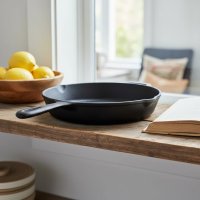
In our daily lives, the choices we make in the kitchen directly impact our well-being. And when it comes to cooking, few tools are as essential as the frying pan. But with growing concerns about chemicals leaching into our food, the quest for the best non toxic frying pan has become more important than ever. It’s not just about cooking delicious meals; it’s about cooking them safely and sustainably.
Many traditional nonstick pans, while convenient, have raised questions about their long-term health effects. The good news? The world of cookware has evolved, offering fantastic alternatives that combine performance with peace of mind. As a culinary expert with over 15 years in the field and the lead content creator for Hljnt.com, I’m here to guide you through the complexities, helping you choose a frying pan that’s not just effective but genuinely healthy for you and your loved ones. Let’s dive into what makes a frying pan truly non-toxic and explore the top materials available today.
Understanding “Non-Toxic”: What Chemicals Should You Avoid?
Before we explore the best options, it’s crucial to understand what “non-toxic” truly means in the context of frying pans. The term primarily addresses concerns around a group of man-made chemicals often used in traditional nonstick coatings.
The “Forever Chemicals”: PFAS
PFAS, or Per- and Polyfluoroalkyl Substances, are a large family of synthetic chemicals known for their ability to repel oil, water, and stains. These “forever chemicals” don’t break down easily in the environment or the human body and have been linked to a range of potential health issues, including kidney and liver damage, thyroid disease, and certain cancers. When searching for a non-toxic frying pan, ensuring it is PFAS-free is a critical first step.
PFOA and PTFE: The Core of Nonstick Concerns
Historically, two specific PFAS compounds often came up in cookware discussions:
- PFOA (Perfluorooctanoic Acid): This chemical was primarily used as a processing aid in the manufacturing of many nonstick coatings. Due to health concerns, PFOA has largely been phased out of cookware production since 2013. However, a pan labeled “PFOA-free” does not automatically mean it’s free from all other PFAS or even PTFE.
- PTFE (Polytetrafluoroethylene): Better known by the brand name Teflon, PTFE is the actual nonstick coating itself. While considered stable at lower cooking temperatures, PTFE can begin to break down and release harmful fumes if heated above 500°F (260°C) or if the coating is scratched or damaged. These fumes can cause flu-like symptoms, often referred to as “Teflon flu.”
Beyond PFAS, some cookware can contain lead and cadmium, which are heavy metals that can also pose health risks if they leach into food. Truly non-toxic options are meticulously crafted to be free from these harmful substances, offering you a cleaner cooking experience.
The Best Non-Toxic Frying Pan Materials: A Deep Dive
When seeking the best non toxic frying pan, you’ll encounter several excellent material choices, each with unique benefits and considerations.
Ceramic-Coated Nonstick Frying Pans
|
Our Picks for the Best Frying Pan in 2026
As an Amazon Associate I earn from qualifying purchases.
|
||
| Num | Product | Action |
|---|---|---|
| 1 | Amazon Basics Non Stick Kitchen Cookware 8-Piece Set, Non-Induction, Includes Pots and Pans, Black |

|
| 2 | Ammeloo Tri-Ply Stainless Steel Frying Pan Set of 3, 8\", 9.5\", 11\", Non Stick Frying Pans and Skillets, Non Toxic Hybrid Pan, Induction Compatible Cooking Pans, Chef Pan, Black Interior |
|
| 3 | All-Clad D3 12\" Stainless Steel Frying pan W/Lid, 3-Ply Stainless Steel Pan, Induction, Oven Broiler Safe 600F Skillet, Professional Cookware, Silver |
|
| 4 | Amazon Basics Non Stick Kitchen Cookware 15-Piece Set, Non-Induction, Includes Pots, Pans, and Utensils, Black |
|
| 5 | SENSARTE Nonstick Frying Pan Skillet, Swiss Granite Coating Omelette Pan, Healthy Stone Cookware Chef\'s Pan, PFOA Free (8/9.5/10/11/12.5 Inch) (9.5 Inch) |
|
| 6 | Lodge 10.25 Inch Cast Iron Skillet – Pre-Seasoned Frying Pan with Teardrop Handle – Oven, Stovetop, Grill & Campfire Use – Made in USA – Durable, Non-Toxic, Even-Heating Cookware – Black |
|
| 7 | Yonida Non Stick Frying Pans, 12-inch with Lid, Hybrid Frying Pans Nonstick Upgrade,non stick Skillets Stainless Steel, Dishwasher & Oven-Safe, Induction Compatible Cooking Pan, PFOA Free Cookware |
|
| 8 | Tramontina Professional 10-Inch Non Stick Frying Pan, Heavy-Gauge Aluminum Skillet with Reinforced Nonstick Coating, Red Handle, Dishwasher and Oven Safe |
|
| 9 | Amazon Basics Ceramic Nonstick Pots and Pans Cookware Set, Dishwasher & Oven Safe, Even Heating, 10-Piece Set, Copper Color |
|
| 10 | CAROTE Nonstick Frying Pan Skillet,Non Stick Granite Fry Pan Egg Pan Omelet Pans, Stone Cookware Chef\'s Pan, PFOA Free,Induction Compatible(Classic Granite, 8-Inch) |
|
What are they? These pans feature a ceramic-based nonstick coating, typically derived from sand (silica) or other mineral-based materials, applied over an aluminum or stainless steel core. Brands like GreenPan, Caraway, and Our Place have popularized this category.
Why choose them? Ceramic-coated pans offer exceptional nonstick properties without relying on PTFE or other PFAS chemicals. They are often marketed as being free from PFOA, PTFE, PFAS, lead, and cadmium, providing a slick surface that makes cooking and cleaning a breeze.
Considerations: While excellent, ceramic coatings can be less durable than other materials. They are prone to chipping or scratching if metal utensils are used, and their nonstick properties can diminish over time, especially with high heat. It’s best to use them on low to medium heat and with silicone or wooden utensils to extend their lifespan.
Stainless Steel Frying Pans
What are they? Made from an alloy of iron, chromium, and nickel, stainless steel pans are a staple in many professional kitchens. High-quality stainless steel typically features multiple layers (clad construction) with an aluminum or copper core for superior heat distribution.
Why choose them? Stainless steel is renowned for its incredible durability, resistance to rust, and non-reactive surface, meaning it won’t leach metals or alter the taste of acidic foods. It’s considered one of the safest and most versatile cookware materials, ideal for searing, sautéing, and browning.
Considerations: Stainless steel is not naturally nonstick. You’ll need to use a bit more oil or fat and practice proper heating techniques to prevent food from sticking. Cleaning can also be more involved if food gets stuck, but with good care, these pans can truly last a lifetime.
Cast Iron Frying Pans (Seasoned & Enamel-Coated)
What are they?
- Seasoned Cast Iron: These are heavy, rugged pans made entirely of iron. They develop a natural nonstick surface through a process called “seasoning,” where oil is baked onto the pan’s surface, creating a protective, nonstick layer.
- Enamel-Coated Cast Iron: These pans feature a layer of vitreous enamel (a type of glass coating) over a cast iron core. Brands like Le Creuset are famous for this style.
Why choose them? Cast iron is incredibly durable, often passed down through generations. It excels at retaining and distributing heat evenly, making it perfect for searing steaks, frying chicken, or even baking. Once well-seasoned, a traditional cast iron pan offers an impressive natural nonstick surface. Enamel-coated cast iron provides similar heat retention benefits but without the need for seasoning, and its glass-like coating prevents reactions with acidic foods. Both types are naturally non-toxic, with no synthetic chemical coatings.
Considerations: Raw cast iron is heavy and requires specific care, including regular seasoning and thorough drying after washing to prevent rust. Enamel-coated cast iron, while easier to maintain, can be more expensive and, like ceramic, its enamel coating can chip if dropped or abused.
Carbon Steel Frying Pans
What are they? Carbon steel pans are a hybrid between cast iron and stainless steel, made from an alloy of iron and carbon. They are thinner and lighter than cast iron but thicker than most stainless steel pans.
Why choose them? Carbon steel heats up quickly and evenly, similar to stainless steel, but it also develops a natural nonstick seasoning over time, much like cast iron. It’s a favorite among professional chefs for its excellent heat control and versatility, capable of going from stovetop to oven.
Considerations: Like cast iron, carbon steel requires seasoning and careful maintenance to prevent rust and maintain its nonstick properties. It can also react with highly acidic foods if not well-seasoned, potentially imparting a metallic taste.
Pure Ceramic Frying Pans
What are they? Unlike ceramic-coated pans, pure ceramic cookware (such as Xtrema) is made entirely from natural clay and minerals, then fired at high temperatures. These are solid ceramic through and through.
Why choose them? Pure ceramic is arguably one of the most non-toxic and inert cookware materials available. It’s free from heavy metals, PFAS, PFOA, and PTFE, and won’t leach anything into your food. It’s also incredibly versatile, safe for stovetop, oven, microwave, and even freezer use.
Considerations: Pure ceramic can be more brittle and susceptible to breakage if dropped compared to other materials. It also tends to heat more slowly than metal pans, though it retains heat exceptionally well.
“The shift towards non-toxic frying pans isn’t just a trend; it’s a vital step towards safeguarding our daily health,” says Dr. Elena Petrova, a renowned food safety expert and culinary researcher. “Understanding the materials and their true long-term impact empowers us to make smarter kitchen choices.”
How to Choose the Best Non-Toxic Frying Pan for Your Kitchen
Selecting the right non-toxic frying pan depends on your personal cooking habits, preferences, and kitchen setup.
- Consider Your Cooking Style:
- Frequent frying with minimal oil? Ceramic-coated nonstick might be your go-to, but be mindful of its lifespan and care.
- Searing, browning, and high-heat cooking? Stainless steel, cast iron, or carbon steel will offer superior results and durability.
- One-pot meals and versatile cooking? Pure ceramic or enamel-coated cast iron can move seamlessly from stovetop to oven.
- Heat Source Compatibility: Ensure the pan you choose is compatible with your stovetop (gas, electric, induction). Most modern non-toxic options work on all stovetops, but always double-check.
- Maintenance Commitment: Are you willing to season and meticulously care for cast iron or carbon steel, or do you prefer the lower maintenance of ceramic-coated or stainless steel?
- Budget: Non-toxic frying pans come in a wide range of prices. Investing in a high-quality pan can pay off in terms of durability and health benefits over time.
- Weight and Handling: Cast iron and pure ceramic can be heavy. If you have mobility concerns or prefer lighter cookware, stainless steel or ceramic-coated aluminum might be a better fit.
Tips for Maximizing the Life of Your Non-Toxic Frying Pan
No matter which non-toxic frying pan you choose, proper care and maintenance are key to extending its life and preserving its performance.
- Use Appropriate Heat: Most nonstick and ceramic-coated pans perform best on low to medium heat. Overheating can damage the coating and reduce its lifespan. Even stainless steel and cast iron don’t always need max heat.
- Choose the Right Utensils: For ceramic-coated and enamel-coated pans, always opt for silicone, wooden, or heat-resistant plastic utensils to prevent scratches and chipping. Metal utensils are generally fine for stainless steel, cast iron, and carbon steel.
- Gentle Cleaning: Hand washing is often recommended for all non-toxic frying pans, especially those with coatings or seasoning. Use a soft sponge and mild dish soap. Avoid abrasive scrubbers or harsh detergents, which can strip seasoning or damage coatings. For stubborn spots on stainless steel, Bar Keepers Friend can work wonders.
- Proper Storage: Store your pans carefully to prevent scratches. If stacking, place pan protectors or soft cloths between them.
- Seasoning Maintenance: For raw cast iron and carbon steel, maintain their seasoning regularly. After washing, dry them thoroughly (you can even heat them gently on the stove for a minute) and apply a thin layer of cooking oil before storing.
Frequently Asked Questions About Non-Toxic Frying Pans
What does “PFOA-free” really mean?
“PFOA-free” means that perfluorooctanoic acid was not used in the manufacturing of the pan. However, it does not guarantee that the pan is free from other PFAS chemicals, including PTFE, which is the substance commonly known as Teflon. Always look for “PFAS-free” for a broader guarantee.
Are ceramic pans truly non-toxic?
Ceramic-coated pans are generally considered non-toxic if they are certified free of PFOA, PTFE, PFAS, lead, and cadmium. The ceramic coating itself is usually made from natural sand-derived materials. However, their nonstick properties may degrade over time, and they are not as durable as other materials.
Can I use metal utensils with non-toxic pans?
It depends on the material. Metal utensils are generally safe for stainless steel, cast iron, and carbon steel. However, for ceramic-coated or enamel-coated pans, it’s best to use silicone, wooden, or plastic utensils to prevent scratching and chipping of the nonstick surface.
How long do non-toxic frying pans last?
Durability varies greatly by material. Cast iron and high-quality stainless steel pans can last for decades, even generations, with proper care. Ceramic-coated pans typically have a shorter lifespan, usually lasting a few years before the nonstick coating begins to wear down.
Is cast iron truly non-toxic?
Yes, cast iron is considered a highly non-toxic material. It is pure iron, and when properly seasoned, it develops a natural nonstick surface without the need for synthetic chemical coatings. It can even add a small amount of dietary iron to your food.
Do non-toxic pans require special cleaning?
Many non-toxic pans, especially those with specialized coatings or seasoning (like cast iron and carbon steel), benefit from gentle hand washing with mild soap and a soft sponge. Abrasive cleaners or metal scrubbers should be avoided to preserve the pan’s surface and extend its life.
Conclusion
Choosing the best non toxic frying pan is an investment in your health and your kitchen. By understanding the different materials available—from the robust durability of stainless steel and cast iron to the convenient nonstick of ceramic-coated options and the inert nature of pure ceramic—you can make an informed decision that aligns with your cooking needs and health priorities.
Moving towards non-toxic cookware doesn’t mean sacrificing performance; it means embracing healthier, more sustainable cooking. So, take these insights, evaluate your options, and confidently select a frying pan that will serve you well for years to come, ensuring every meal you prepare is as healthy as it is delicious. Your kitchen, and your body, will thank you.
Get our weekly buyer guide
Practical specs, not advice. Unsubscribe anytime.