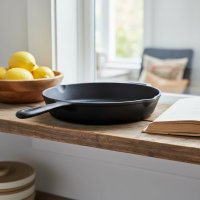
In the bustling world of culinary gadgets, where monstrous woks and sprawling sauté pans often steal the spotlight, it’s easy to overlook the humble yet mighty tiny frying pan. But let me tell you, as someone who’s spent over 15 years perfecting the art of the sizzle, a tiny frying pan isn’t just a cute novelty; it’s a secret weapon for efficiency, precision, and pure culinary joy. This compact powerhouse, often dismissed as a single-use item, actually unlocks a surprising array of cooking possibilities, making your kitchen smarter and your meals more delightful.

What Exactly is a Tiny Frying Pan, Anyway?
When we talk about a tiny frying pan, we’re generally referring to skillets ranging from about 4 to 8 inches in diameter. These aren’t just scaled-down versions of their larger counterparts; they are designed for specific tasks that larger pans either overcomplicate or handle inefficiently. Think of them as the nimble sports cars of the cookware world – small, quick, and perfectly suited for certain maneuvers. Their diminutive size means they heat up rapidly and offer unparalleled control, making them ideal for everything from a perfectly formed fried egg to a quick toasted spice blend.
Unlocking the Potential: Top Uses for Your Tiny Frying Pan
Don’t let their size fool you; tiny frying pans are incredibly versatile. They shine brightest when handling tasks where precision and smaller portions are key.
The Perfect Solo Breakfast: Eggs, Omelets, Pancakes
This is where the tiny frying pan truly earns its stripes. Ever tried to fry just one egg in a 12-inch pan? It spreads thin, cooks unevenly, and often leaves a sticky mess. A tiny frying pan, typically 4 to 6 inches, is tailor-made for a single fried egg, keeping the whites beautifully thick and creating that iconic round shape perfect for an English muffin or bagel. You can also whip up a quick, fluffy mini omelet, perhaps with some leftover veggies and cheese, or even a stack of silver dollar pancakes. The small surface area ensures even cooking and keeps your breakfast contained and picture-perfect.
Melting & Toasting: Small Tasks, Big Impact
Sometimes you just need a tablespoon of melted butter for popcorn or a drizzle of garlic butter for your steak. Pulling out a large pan for such a small amount is wasteful and creates unnecessary cleanup. A tiny frying pan melts butter in seconds, saving you time and energy. It’s also fantastic for toasting small quantities of nuts and spices, which helps release their aromatic compounds, intensifying flavors for curries, salads, or homemade spice blends. The controlled heat of a small pan prevents burning, a common issue when toasting small ingredients in a larger, less responsive pan.
Individual Desserts & Side Dishes
|
Our Picks for the Best Frying Pan in 2026
As an Amazon Associate I earn from qualifying purchases.
|
||
| Num | Product | Action |
|---|---|---|
| 1 | Ammeloo Tri-Ply Stainless Steel Frying Pan Set of 3, 8\", 9.5\", 11\", Non Stick Frying Pans and Skillets, Non Toxic Hybrid Pan, Induction Compatible Cooking Pans, Chef Pan, Black Interior |

|
| 2 | Tramontina Professional 10-Inch Non Stick Frying Pan, Heavy-Gauge Aluminum Skillet with Reinforced Nonstick Coating, Red Handle, Dishwasher and Oven Safe |
|
| 3 | Amazon Basics Non Stick Kitchen Cookware 15-Piece Set, Non-Induction, Includes Pots, Pans, and Utensils, Black |
|
| 4 | CAROTE Nonstick Frying Pan Skillet,Non Stick Granite Fry Pan Egg Pan Omelet Pans, Stone Cookware Chef\'s Pan, PFOA Free,Induction Compatible(Classic Granite, 8-Inch) |
|
| 5 | All-Clad D3 12\" Stainless Steel Frying pan W/Lid, 3-Ply Stainless Steel Pan, Induction, Oven Broiler Safe 600F Skillet, Professional Cookware, Silver |
|
| 6 | Yonida Non Stick Frying Pans, 12-inch with Lid, Hybrid Frying Pans Nonstick Upgrade,non stick Skillets Stainless Steel, Dishwasher & Oven-Safe, Induction Compatible Cooking Pan, PFOA Free Cookware |
|
| 7 | SENSARTE Nonstick Frying Pan Skillet, Swiss Granite Coating Omelette Pan, Healthy Stone Cookware Chef\'s Pan, PFOA Free (8/9.5/10/11/12.5 Inch) (9.5 Inch) |
|
| 8 | Amazon Basics Ceramic Nonstick Pots and Pans Cookware Set, Dishwasher & Oven Safe, Even Heating, 10-Piece Set, Copper Color |
|
| 9 | Amazon Basics Non Stick Kitchen Cookware 8-Piece Set, Non-Induction, Includes Pots and Pans, Black |
|
| 10 | Lodge 10.25 Inch Cast Iron Skillet – Pre-Seasoned Frying Pan with Teardrop Handle – Oven, Stovetop, Grill & Campfire Use – Made in USA – Durable, Non-Toxic, Even-Heating Cookware – Black |
|
Beyond breakfast, these mini marvels are fantastic for single-serving desserts or sides. Imagine a warm, gooey skillet cookie baked just for you, or perfectly portioned potato cakes crisped to golden perfection. They can also be used to heat up a small amount of soup or gravy, or even to roast a few cloves of garlic for a recipe. The aesthetic appeal of serving a dish directly from a charming tiny pan also adds a touch of elegance to any meal. “Never underestimate the power of a perfectly sized tool; a tiny frying pan isn’t just cute, it’s a gateway to culinary precision for single servings and delicate tasks,” notes Chef Julian Thorne, a veteran in culinary arts, emphasizing their often-overlooked utility.
Cooking for the Little Ones
For parents, tiny frying pans are a game-changer. They allow you to prepare kid-sized portions of meals, ensuring nothing goes to waste and making mealtime fun. From mini frittatas to small batches of scrambled eggs or even heating up a tiny portion of leftovers, these pans make healthy, custom cooking for children a breeze. The manageable size also makes them perfect for teaching budding young chefs basic cooking skills.
Choosing Your Mini Marvel: Materials Matter
Just like their larger counterparts, tiny frying pans come in a variety of materials, each with its own advantages. Your choice will depend on what you plan to cook and your personal preferences.
Non-Stick: Effortless Release for Delicate Dishes
Many tiny frying pans feature non-stick coatings, often ceramic or PFOA/PFAS-free options. These are incredibly popular for their easy food release and quick cleanup, especially for delicate items like eggs and pancakes. They heat quickly and require minimal oil, making them a healthy choice for everyday use. When choosing a non-stick tiny frying pan, look for durable coatings and check if they are oven-safe, as some handles may not withstand high temperatures.
Cast Iron: The Durable Heat Maestro
For those who appreciate classic cookware, tiny cast iron frying pans are a fantastic choice. They retain heat exceptionally well, making them ideal for achieving a perfect sear on small cuts of meat or for baking individual cornbreads and skillet cookies. While they require seasoning and a bit more care, their durability means they can last for generations. Many tiny cast iron pans are also fully oven-safe, expanding their versatility significantly.
Carbon Steel: The Lightweight Workhorse
Carbon steel offers a wonderful middle ground between cast iron and stainless steel. It boasts excellent heat retention and can achieve a natural non-stick surface with proper seasoning, much like cast iron, but without the significant weight. A tiny carbon steel pan heats up quickly and evenly, making it an agile tool for rapid cooking tasks. Many carbon steel pans also feature removable wooden handles, allowing them to transition seamlessly from stovetop to oven.
Stainless Steel: Sleek, Sturdy, and Versatile
Though less common in truly tiny sizes, small stainless steel frying pans are durable, non-reactive, and can handle high heat. They are often induction compatible and easy to clean, though they typically require more oil or butter to prevent sticking compared to non-stick or well-seasoned cast iron/carbon steel. Stainless steel tiny pans are an excellent choice if you prioritize longevity and versatility, and don’t mind a bit more attention to technique.
Maximizing Your Tiny Frying Pan Experience: Expert Tips
To truly get the most out of your tiny frying pan, a few expert insights can go a long way.
- Heat Management is Key: Due to their small size, tiny frying pans heat up very quickly. Always start with a lower heat setting and gradually increase if needed, especially with gas stoves. This prevents scorching and ensures even cooking.
- Proper Care for Longevity: Always follow the manufacturer’s care instructions for your specific pan material. For non-stick, use silicone or wooden utensils to protect the coating. For cast iron and carbon steel, diligent seasoning and avoiding harsh soaps are paramount to maintaining their non-stick properties.
- Stability on the Hob: Very small pans can sometimes be unstable on larger stovetop grates. If you find your tiny frying pan wobbling, consider investing in a hob reducer. This simple accessory provides a stable base, preventing spills and ensuring safer cooking.
- Embrace the Single Serving: The true beauty of a tiny frying pan lies in its ability to cater to individual portions. Don’t try to overcrowd it; let it excel at what it does best. This not only makes cooking easier but also reduces food waste.
Frequently Asked Questions
What size is considered a tiny frying pan?
Generally, a tiny frying pan ranges from 4 to 8 inches (approximately 10 to 20 cm) in diameter. The most common sizes you’ll find for single-serving tasks are typically in the 4-inch to 6-inch range.
Can I use a tiny frying pan on an induction stove?
Yes, many tiny frying pans are induction compatible, especially those made from magnetic materials like cast iron, carbon steel, and some stainless steel options. Always check the product specifications to confirm induction compatibility before purchasing your tiny frying pan.
Are tiny non-stick frying pans safe?
Modern non-stick tiny frying pans are generally considered safe, especially those labeled PFOA-free or PFAS-free. These coatings are designed for safe food contact when used according to instructions, typically at medium heat and with non-metal utensils.
How do I clean a tiny cast iron frying pan?
To clean a tiny cast iron frying pan, rinse it with hot water immediately after use. If food is stuck, gently scrub with a stiff brush or non-abrasive sponge, avoiding soap if possible. Dry it thoroughly on the stovetop over low heat, then apply a very thin layer of cooking oil to maintain its seasoning.
What are some unique things to cook in a tiny frying pan?
Beyond eggs and small pancakes, a tiny frying pan is perfect for individual baked goods like skillet brownies or cookies, warming a single portion of a dip, toasting a small handful of spices, melting chocolate for drizzling, or even making a personal-sized frittata.
Conclusion
The tiny frying pan, often underestimated, is a true workhorse in the kitchen, proving that good things really do come in small packages. From perfectly fried eggs and quick-melted butter to charming individual desserts, this compact cookware brings unparalleled efficiency and precision to a multitude of tasks. By understanding its uses and choosing the right material, you’ll find this small wonder becomes an indispensable tool, saving you time, reducing waste, and adding a touch of focused finesse to your culinary creations. So, go ahead, embrace the small-scale magic of the tiny frying pan – your kitchen, and your taste buds, will thank you!
Get our weekly buyer guide
Practical specs, not advice. Unsubscribe anytime.