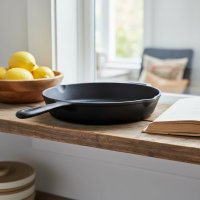
In today’s kitchen, the term “green frying pan” has become more than just a marketing buzzword; it represents a commitment to healthier cooking and a more sustainable lifestyle. For decades, traditional non-stick pans, while convenient, raised concerns due to chemicals like PFAS (per- and polyfluoroalkyl substances) and PFOA (perfluorooctanoic acid). But what exactly makes a frying pan “green,” and how can you choose the best one for your home? Let’s dive in.
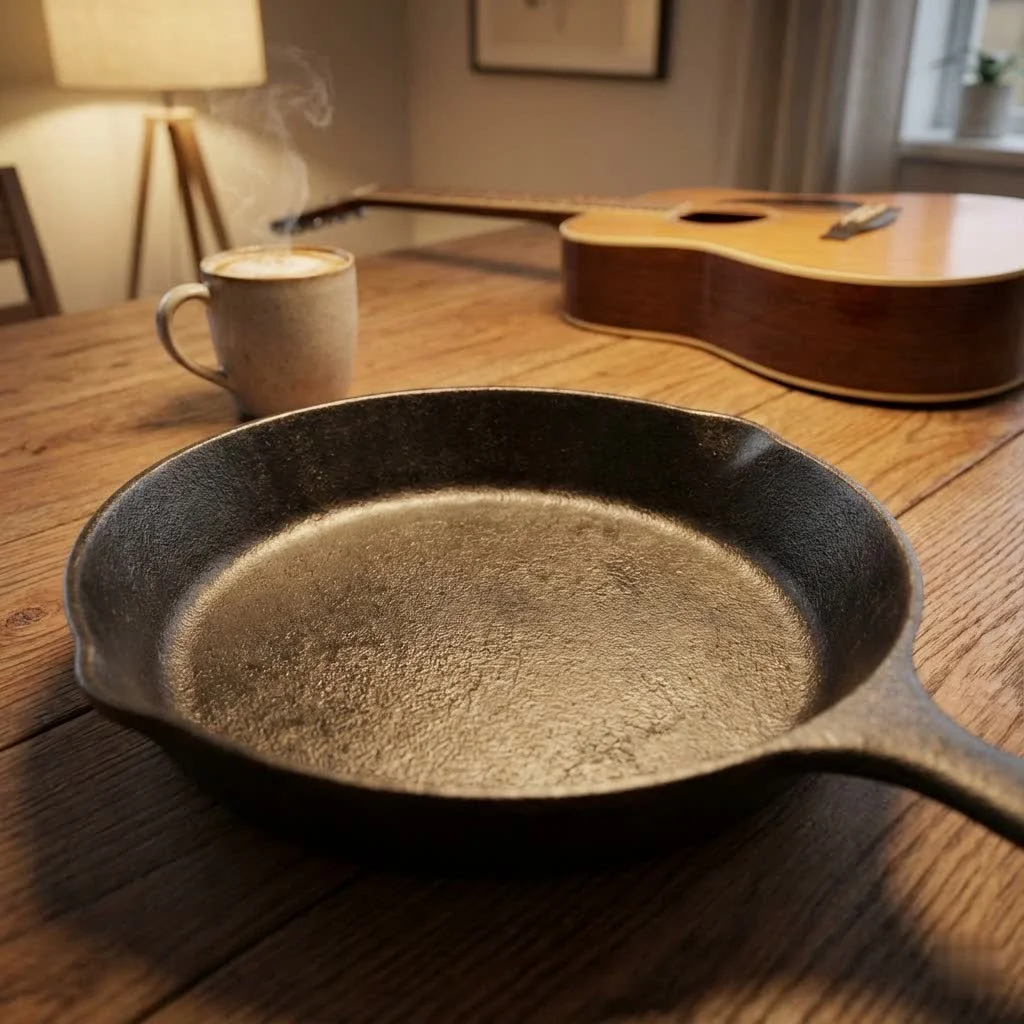
Choosing a green frying pan means opting for cookware free from these “forever chemicals,” which have been linked to various health issues and environmental pollution. It’s about creating a safer cooking environment for your family and reducing your ecological footprint. As Dr. Anya Sharma, a renowned culinary scientist, often states, “The right cookware is not just about performance; it’s about peace of mind. A green frying pan offers both, fundamentally changing how we approach daily meals.”
What Exactly is a Green Frying Pan?
When we talk about a “green frying pan,” we’re generally referring to cookware designed with health and environmental impact in mind. This primarily means pans that are free from harmful substances often found in older non-stick coatings.
The Rise of PFAS-Free Cookware
The core of what makes a frying pan “green” lies in its non-stick coating. Traditional non-stick surfaces often relied on PTFE (polytetrafluoroethylene), a synthetic fluoropolymer, and PFOA, a processing aid used in its manufacturing. While PTFE itself is generally considered stable at normal cooking temperatures, overheating could lead to off-gassing, and the environmental persistence of PFOA became a major concern.
Modern green frying pan options, like those pioneered by brands such as GreenPan, use ceramic-derived non-stick coatings. These innovative coatings, often made from sand derivatives, are manufactured without PFAS, PFOA, lead, or cadmium. This makes them a significantly healthier alternative, ensuring that no harmful chemicals leach into your food, even if the pan accidentally overheats. The Kitchn, a respected culinary resource, highlights that GreenPan’s Thermolon coating, for instance, is made from sand and is explicitly free of these substances.
Beyond Coatings: Sustainable Production
Beyond just the materials, the “green” aspect can also extend to the manufacturing process. Some brands committed to green frying pan production prioritize eco-friendly factories, utilize solar power, and implement wastewater treatment facilities to reduce their environmental impact. This holistic approach ensures that your healthy cooking choice also supports a healthier planet.
The Benefits of Using a Green Frying Pan
Switching to a green frying pan offers a multitude of advantages that go beyond simply cooking your meals.
Healthier Cooking, Healthier You
|
Our Picks for the Best Frying Pan in 2026
As an Amazon Associate I earn from qualifying purchases.
|
||
| Num | Product | Action |
|---|---|---|
| 1 | CAROTE Nonstick Frying Pan Skillet,Non Stick Granite Fry Pan Egg Pan Omelet Pans, Stone Cookware Chef\'s Pan, PFOA Free,Induction Compatible(Classic Granite, 8-Inch) |

|
| 2 | SENSARTE Nonstick Frying Pan Skillet, Swiss Granite Coating Omelette Pan, Healthy Stone Cookware Chef\'s Pan, PFOA Free (8/9.5/10/11/12.5 Inch) (9.5 Inch) |
|
| 3 | Amazon Basics Non Stick Kitchen Cookware 15-Piece Set, Non-Induction, Includes Pots, Pans, and Utensils, Black |
|
| 4 | Tramontina Professional 10-Inch Non Stick Frying Pan, Heavy-Gauge Aluminum Skillet with Reinforced Nonstick Coating, Red Handle, Dishwasher and Oven Safe |
|
| 5 | All-Clad D3 12\" Stainless Steel Frying pan W/Lid, 3-Ply Stainless Steel Pan, Induction, Oven Broiler Safe 600F Skillet, Professional Cookware, Silver |
|
| 6 | Lodge 10.25 Inch Cast Iron Skillet – Pre-Seasoned Frying Pan with Teardrop Handle – Oven, Stovetop, Grill & Campfire Use – Made in USA – Durable, Non-Toxic, Even-Heating Cookware – Black |
|
| 7 | Yonida Non Stick Frying Pans, 12-inch with Lid, Hybrid Frying Pans Nonstick Upgrade,non stick Skillets Stainless Steel, Dishwasher & Oven-Safe, Induction Compatible Cooking Pan, PFOA Free Cookware |
|
| 8 | Amazon Basics Ceramic Nonstick Pots and Pans Cookware Set, Dishwasher & Oven Safe, Even Heating, 10-Piece Set, Copper Color |
|
| 9 | Amazon Basics Non Stick Kitchen Cookware 8-Piece Set, Non-Induction, Includes Pots and Pans, Black |
|
| 10 | Ammeloo Tri-Ply Stainless Steel Frying Pan Set of 3, 8\", 9.5\", 11\", Non Stick Frying Pans and Skillets, Non Toxic Hybrid Pan, Induction Compatible Cooking Pans, Chef Pan, Black Interior |
|
The most significant benefit is undoubtedly the elimination of harmful chemicals from your kitchen. With a PFAS-free green frying pan, you can cook without the worry of toxins off-gassing or contaminating your food, even at higher temperatures. This is especially crucial for families and individuals conscious about minimizing exposure to potential endocrine disruptors and carcinogens. Many non-toxic options promote healthier meal preparation by requiring less oil and fat.
Enhanced Durability and Performance
While some might mistakenly believe “green” means less robust, many modern green frying pans are built for durability. Ceramic non-stick coatings, particularly those reinforced with diamonds, offer excellent scratch resistance and longevity when properly cared for. Materials like hard-anodized aluminum and stainless steel cores ensure even heat distribution, preventing hot spots and leading to more consistently cooked food. This superior heat conduction can even allow you to achieve excellent results on lower heat settings, saving energy.
Environmental Responsibility
By choosing a green frying pan, you’re making an environmentally conscious decision. Cookware made without “forever chemicals” helps reduce pollution in our ecosystems. Furthermore, many eco-friendly brands utilize recycled materials in their pan construction and employ sustainable manufacturing practices, aligning your kitchen choices with broader environmental goals.
Popular “Green” Frying Pan Materials and Coatings
The market for green frying pans has expanded significantly, offering various materials and coatings, each with unique characteristics.
Ceramic Non-Stick Coatings
This is perhaps the most common type of green frying pan. Ceramic non-stick coatings are typically made from a silicon dioxide (sand) derivative through a sol-gel process. Brands like GreenPan are famous for their Thermolon ceramic non-stick, which offers excellent food release and high heat resistance without PFAS, PFOA, lead, or cadmium. These pans heat up quickly and cook evenly, making them perfect for everyday frying. However, their non-stick properties can degrade over time with improper care, particularly from very high heat or abrasive cleaning.
Cast Iron
Though not typically “non-stick” in the traditional sense, a well-seasoned cast iron frying pan is incredibly naturally non-stick and entirely chemical-free. Cast iron is known for its exceptional heat retention and even heating, making it ideal for searing, frying, and even baking. It’s incredibly durable and can last for generations. The “green” aspect comes from its natural material and longevity, reducing waste. It does require seasoning and specific care to maintain its non-stick surface.
Carbon Steel
Similar to cast iron but lighter and with quicker heat response, carbon steel frying pans also develop a natural non-stick patina with seasoning. They are robust, versatile, and free from synthetic coatings. Carbon steel is a favorite among professional chefs for its performance and durability, offering another excellent “green” option.
High-Quality Stainless Steel
While not inherently non-stick, high-quality stainless steel frying pans are considered a non-toxic option as they do not have a coating that can leach chemicals. They are durable, non-reactive, and excellent for searing and browning. For non-stick performance, you’ll need to use more oil or fat, but it’s a safe and long-lasting choice for a green frying pan. Look for food-grade stainless steel without aluminum cores that are not properly encapsulated.
Choosing the Right Green Frying Pan for Your Kitchen
With so many options, selecting the perfect green frying pan can seem daunting. Here’s what to consider:
Stovetop Compatibility
Check if the frying pan is suitable for your specific stovetop. Many green frying pans, especially those with magnetic bases, are induction-compatible, while others work best on gas or electric.
Material and Coating Longevity
Consider how long you expect the non-stick properties to last. Ceramic non-stick, while excellent initially, may require more careful maintenance than naturally seasoned cast iron or carbon steel to retain its non-stick efficacy over many years. Some ceramic coatings, like GreenPan’s Infinite8, are designed to be “10x more metal utensil safe” to enhance durability.
Weight and Handling
A lighter green frying pan might be easier for daily flipping and tossing, while a heavier pan, like cast iron, offers superior heat retention for certain cooking tasks. Ensure the handle is ergonomic and comfortable.
Oven and Dishwasher Safety
If you plan to transfer your frying pan from stovetop to oven, check its maximum oven-safe temperature. While some ceramic pans are dishwasher safe, handwashing is often recommended to preserve the non-stick coating.
Price and Warranty
Green frying pans come at various price points. Investing in a quality pan with a good warranty can save you money in the long run.
Essential Care Tips for Your Green Frying Pan
Proper care is key to maximizing the lifespan and performance of your green frying pan, especially those with ceramic non-stick coatings.
- Handwash is Best: While some ceramic pans are dishwasher safe, handwashing with warm, soapy water and a soft sponge is always recommended. Avoid abrasive scrubbers like steel wool.
- Avoid Extreme Temperature Changes: Never plunge a hot frying pan into cold water. Let it cool completely before washing to prevent thermal shock, which can damage the non-stick coating.
- Use Low to Medium Heat: Green frying pans, especially ceramic ones, conduct heat efficiently. Cooking on excessively high heat can degrade the non-stick properties over time.
- Use the Right Utensils: Opt for silicone, wood, or nylon utensils to prevent scratching the non-stick surface. Metal utensils, even if marketed as “safe,” can still cause wear.
- Use a Little Oil or Butter: A small amount of cooking oil (like refined avocado, peanut, or vegetable oil) helps maintain the non-stick performance of ceramic pans. Avoid aerosol cooking sprays, as they can leave behind a residue.
- Store Properly: If stacking pans, place a soft cloth or pan protector between them to prevent scratches.
Debunking Myths About Green Frying Pans
There are a few misconceptions floating around about green frying pans that are worth clarifying.
- Myth 1: “Green” means it’s delicate. While care is needed, many green frying pans are incredibly durable. High-quality ceramic coatings are scratch-resistant, and materials like cast iron are virtually indestructible.
- Myth 2: They lose their non-stick properties quickly. With proper care and by following the manufacturer’s instructions, green frying pans can maintain their non-stick effectiveness for a significant period. Issues often arise from misuse, such as overheating or using metal utensils.
- Myth 3: They are always expensive. While premium options exist, there are many affordable green frying pan choices available that offer excellent performance and health benefits.
Frequently Asked Questions About Green Frying Pans
Q1: Are green frying pans truly non-toxic?
A1: Yes, a genuine green frying pan is specifically designed to be free from harmful chemicals like PFAS, PFOA, lead, and cadmium, commonly found in older non-stick cookware, ensuring a safer cooking experience.
Q2: What is the main difference between a green frying pan and a traditional non-stick pan?
A2: The primary difference lies in the coating. Traditional non-stick pans often use PTFE, which can release fumes if overheated, and PFOA was used in its manufacturing. Green frying pans typically use ceramic-based non-stick coatings that are free of these substances.
Q3: How do I know if a frying pan is truly “green” or just greenwashed?
A3: Look for explicit claims of being “PFAS-free,” “PFOA-free,” “lead-free,” and “cadmium-free.” Reputable brands will often have certifications from third-party organizations and transparently list their coating materials.
Q4: Can I use metal utensils on my ceramic non-stick green frying pan?
A4: It’s generally advised to avoid metal utensils, even if a pan is marketed as “metal utensil safe.” Using silicone, wood, or nylon utensils will help prolong the life and non-stick properties of the coating.
Q5: Why is my green frying pan losing its non-stick properties?
A5: The most common reasons for a ceramic non-stick green frying pan losing its non-stick properties are cooking on too high heat, using abrasive cleaners or metal utensils, or not letting the pan cool completely before washing. Polymerized oil residue can also build up, affecting performance.
Embrace Healthier Cooking with a Green Frying Pan
The journey to healthier cooking starts with the right tools. A green frying pan is more than just a piece of cookware; it’s an investment in your well-being and a step towards a more sustainable kitchen. By understanding what makes a frying pan “green,” exploring the diverse material options, and committing to proper care, you can enjoy the benefits of safer, more efficient, and environmentally conscious cooking. Make the switch and experience the confidence that comes with preparing delicious meals in a truly green frying pan.
Get our weekly buyer guide
Practical specs, not advice. Unsubscribe anytime.