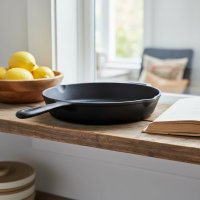
Welcome to Hljnt.com, your trusted kitchen companion! As an expert with over 15 years in the world of cookware, I’ve seen countless innovations, but few have transformed our daily cooking like the trusty non-stick frying pan. It’s the unsung hero that makes flipping omelets a breeze, searing delicate fish effortless, and cleanup a dream. But with so many options out there, understanding what makes a great non-stick frying pan, how to use it safely, and how to keep it performing like new can feel like a culinary puzzle. Fear not, home chefs! My goal here at Hljnt is to demystify the non-stick pan, guiding you through everything from material science to daily maintenance, so you can cook with confidence and extend the life of your beloved cookware.

Unpacking Non-Stick Technology: What’s Under the Surface?
At its heart, a non-stick frying pan is all about its special coating – that magical layer that keeps your food from clinging to the surface. But not all coatings are created equal, and knowing the differences is key to making an informed choice.
The PTFE (Teflon) Story: The Classic Performer
For decades, polytetrafluoroethylene, widely known by the brand name Teflon, has been the benchmark for non-stick surfaces. It’s renowned for its incredibly slick performance, making it perfect for those tricky dishes like perfectly fried eggs, delicate pancakes, and flaky fish. Modern PTFE-coated pans are now PFOA-free, addressing past health concerns associated with this chemical.
However, even modern PTFE requires a little understanding. The critical thing to remember is heat. While generally safe under normal cooking conditions, if a PTFE pan is overheated, typically above 500°F (260°C), it can degrade and potentially release fumes. This is why we always recommend cooking on low to medium heat with these pans and never preheating an empty pan. A little oil or food in the pan helps absorb the heat and keeps things safe.
Ceramic Coatings: The Eco-Conscious Alternative
In recent years, ceramic-coated non-stick pans have soared in popularity, largely due to their “green” appeal. These coatings are typically made from silica-based (often sand-derived) inorganic materials, making them PFAS-free and generally considered non-toxic. Many cooks appreciate ceramic for its ability to handle slightly higher temperatures than traditional PTFE, and its often vibrant array of colors can add a pop to your kitchen.
While ceramic coatings offer an excellent non-stick experience, it’s worth noting that they can sometimes be less durable than their PTFE counterparts. They might wear down a bit faster with frequent use, especially if not cared for meticulously. However, with proper care, a good ceramic pan can serve you wonderfully.
Hard-Anodized Aluminum & Other Bases: The Foundation of Durability
|
Our Picks for the Best Frying Pan in 2026
As an Amazon Associate I earn from qualifying purchases.
|
||
| Num | Product | Action |
|---|---|---|
| 1 | CAROTE Nonstick Frying Pan Skillet,Non Stick Granite Fry Pan Egg Pan Omelet Pans, Stone Cookware Chef\'s Pan, PFOA Free,Induction Compatible(Classic Granite, 8-Inch) |

|
| 2 | Amazon Basics Non Stick Kitchen Cookware 15-Piece Set, Non-Induction, Includes Pots, Pans, and Utensils, Black |
|
| 3 | Tramontina Professional 10-Inch Non Stick Frying Pan, Heavy-Gauge Aluminum Skillet with Reinforced Nonstick Coating, Red Handle, Dishwasher and Oven Safe |
|
| 4 | All-Clad D3 12\" Stainless Steel Frying pan W/Lid, 3-Ply Stainless Steel Pan, Induction, Oven Broiler Safe 600F Skillet, Professional Cookware, Silver |
|
| 5 | Ammeloo Tri-Ply Stainless Steel Frying Pan Set of 3, 8\", 9.5\", 11\", Non Stick Frying Pans and Skillets, Non Toxic Hybrid Pan, Induction Compatible Cooking Pans, Chef Pan, Black Interior |
|
| 6 | Amazon Basics Non Stick Kitchen Cookware 8-Piece Set, Non-Induction, Includes Pots and Pans, Black |
|
| 7 | Amazon Basics Ceramic Nonstick Pots and Pans Cookware Set, Dishwasher & Oven Safe, Even Heating, 10-Piece Set, Copper Color |
|
| 8 | Yonida Non Stick Frying Pans, 12-inch with Lid, Hybrid Frying Pans Nonstick Upgrade,non stick Skillets Stainless Steel, Dishwasher & Oven-Safe, Induction Compatible Cooking Pan, PFOA Free Cookware |
|
| 9 | Lodge 10.25 Inch Cast Iron Skillet – Pre-Seasoned Frying Pan with Teardrop Handle – Oven, Stovetop, Grill & Campfire Use – Made in USA – Durable, Non-Toxic, Even-Heating Cookware – Black |
|
| 10 | SENSARTE Nonstick Frying Pan Skillet, Swiss Granite Coating Omelette Pan, Healthy Stone Cookware Chef\'s Pan, PFOA Free (8/9.5/10/11/12.5 Inch) (9.5 Inch) |
|
Beyond the non-stick layer itself, the base material of your frying pan plays a huge role in its performance and longevity. Hard-anodized aluminum is a fantastic choice, as it undergoes an electrochemical process that creates a much harder, more durable, and non-reactive surface than standard aluminum. This tough base is then typically topped with a non-stick coating, resulting in a pan that’s resistant to scratches, distributes heat beautifully, and feels substantial in your hand.
You might also encounter enameled pans, which feature a glass-like coating that resists stains and can sometimes tolerate metal utensils. While silicone is also used for non-stick properties, it’s usually found in baking mats or muffin tins, rather than stovetop frying pans. For robust searing tasks where non-stick isn’t the primary concern, materials like cast iron or stainless steel often come into their own.
Choosing Your Perfect Non-Stick Frying Pan: What Matters Most?
So, you’re ready to invest in a new non-stick frying pan, or perhaps upgrade your current one? Here’s what to consider to ensure you pick a pan that truly fits your cooking style and lasts.
Coating Quality and Layers: More Than Just a Surface
Don’t just look at the word “non-stick”; delve a little deeper. High-quality non-stick pans often feature multiple layers of coating. This multi-layer approach provides enhanced durability, making the coating more resistant to chipping, flaking, and general wear and tear. A thicker coating isn’t just a marketing gimmick; it genuinely contributes to the pan’s lifespan and consistent performance. Investing in a pan with a robust, multi-layer coating will save you money and frustration in the long run.
Heat Compatibility: Matching Your Pan to Your Hob
Consider your stovetop. If you have an induction cooktop, you’ll need a pan that is induction-compatible (look for the induction symbol or check the product specifications). Beyond that, think about your cooking habits. Do you occasionally finish dishes in the oven? Then an oven-safe non-stick pan is a must. Check the maximum oven temperature rating – some can handle up to 400°F (200°C), while others might go higher to 500°F (260°C) or even 600°F (315°C) for ceramic options, offering greater versatility for tasks like frittatas or oven-finished chicken.
Size and Weight: Finding Your Kitchen Companion
A 10-inch or 12-inch non-stick frying pan is typically the workhorse of most kitchens, versatile enough for everything from a single egg to a family-sized stir-fry. Consider your household size and the types of meals you prepare most often.
As for weight, a pan that’s too heavy can be cumbersome, especially when transferring food. However, one that’s too light might feel flimsy and unevenly distribute heat. Aim for a comfortable balance – substantial enough to feel well-made but light enough for easy maneuvering, especially when shaking contents or flipping.
Handle Comfort and Durability: A Grip You Can Trust
The handle might seem like a small detail, but it’s crucial for safety and comfort. Look for handles that offer a secure, ergonomic grip. Materials like silicone-wrapped stainless steel often stay cool to the touch on the stovetop and provide excellent control. Ensure the handle is securely attached, preferably with rivets, for long-lasting durability. A wobbly handle is a sign of a cheaply made pan and a potential safety hazard.
Master the Art of Cooking with Non-Stick Frying Pans
Owning a non-stick pan is one thing; mastering its use to get the best results and maximize its life is another. Here are my top tips from years in the kitchen.
The Right Heat Setting: Low and Slow Wins the Race
This is perhaps the most critical rule for non-stick pans: avoid high heat! Non-stick coatings are designed for low to medium heat cooking. Using excessively high temperatures, especially with an empty pan, is the fastest way to degrade the coating, reduce its non-stick properties, and potentially release fumes from PTFE. Always add a little oil or food before turning on the heat, and gradually increase the temperature as needed. For induction hobs, be particularly cautious with boost functions; stick to medium heat settings.
Utensils Matter: Protect That Precious Coating
Remember, while your non-stick pan is “stick-proof,” it’s certainly not “scratch-proof.” Metal utensils are the archenemy of any non-stick surface. Even a gentle scrape can create microscopic damage that, over time, leads to peeling and sticking. Always reach for wooden, silicone, or heat-resistant plastic utensils. As I always say, “Treat your non-stick like fine china, and it will treat your food like gold.”
Less Oil, More Flavor: The Health Benefits
One of the great advantages of non-stick pans is the ability to cook with minimal to no oil, contributing to healthier meals. This is fantastic for calorie-conscious cooks or anyone looking to reduce their fat intake. However, a common pitfall is using cooking sprays. While convenient, some cooking sprays can leave a sticky residue that builds up over time, eventually degrading the non-stick surface. A small amount of liquid oil or butter is always preferred.
When to Use & When to Choose Another Pan
Non-stick pans excel at delicate tasks: eggs, pancakes, crêpes, light sautéing, and reheating. They ensure food slides right off, making cooking and cleanup a joy. But they aren’t for everything. For high-heat searing of steaks, browning meat, or developing a deep, flavorful crust, traditional stainless steel or cast iron pans are your best bet. These materials can withstand the high temperatures required for such tasks without damaging their surfaces, unlike non-stick coatings. Knowing when to swap your pans is a hallmark of a truly skilled cook.
Prolonging Your Pan’s Life: The Ultimate Care Routine
Even the best non-stick pan has a finite life, but with diligent care, you can significantly extend its years of service.
Cooling Down & Gentle Cleaning: Post-Cook TLC
Resist the urge to plunge a hot non-stick pan into cold water immediately after cooking. This “thermal shock” can warp the pan and damage the coating. Always let your pan cool down to room temperature before cleaning. For everyday cleaning, warm water, a mild dish soap, and a soft sponge are all you need. There should be no need for harsh scrubbing!
For those occasional stubborn residues, a simple baking soda paste can work wonders. Sprinkle a small amount of baking soda on the surface, add a little water to form a paste, and gently rub with a non-abrasive sponge before rinsing thoroughly. And remember, while some manufacturers claim “dishwasher safe,” I strongly advise against it. The high heat and aggressive detergents in dishwashers are notorious for prematurely wearing down non-stick coatings. Hand washing is quick, easy, and undeniably better for your pan.
Smart Storage Solutions: Keep Scratches at Bay
How you store your non-stick pans matters just as much as how you use and clean them. Stacking pans directly on top of each other, especially with heavier pots and pans, is a recipe for scratches. Always place a soft cloth, paper towel, or pan protector between your non-stick pans when storing them. This simple act creates a protective barrier, preventing unwanted abrasion and preserving that precious coating.
Re-seasoning (for some types) & Regular Inspection
While not all non-stick pans require traditional “seasoning” like cast iron, some ceramic or hybrid coatings can benefit from occasional re-conditioning. A thin layer of cooking oil gently rubbed onto a clean, dry surface can help maintain its non-stick properties. More importantly, make it a habit to regularly inspect your pans. Look for any signs of wear: discoloration, minor scratches, or any areas where food seems to stick more readily. Early detection allows you to adjust your care routine and potentially extend its life.
When is it Time to Say Goodbye? Recognizing Wear and Tear
Even with the best care, non-stick pans don’t last forever. Their average lifespan is typically three to five years, though higher-quality pans from reputable brands may exceed this. Knowing when to retire a pan is crucial for both performance and safety.
The most obvious signs it’s time for a replacement are visible damage to the coating. If you notice severe discoloration, deep scratches, peeling, or flaking, it’s time to part ways. These breaches in the non-stick layer not only make the pan ineffective (food will stick mercilessly), but they can also expose the base metal and potentially allow particles to leach into your food. While modern coatings are much safer than older ones, a compromised surface is never ideal. When in doubt, err on the side of caution and invest in a new pan. Your health and culinary results are worth it.
Expert Insights from Hljnt.com
“At Hljnt, we believe that cooking should be an enjoyable, effortless experience, and the right non-stick frying pan is foundational to that. Choosing a pan with a quality multi-layer coating and committing to a gentle care routine – using the right heat and soft utensils – will not only elevate your everyday meals but also ensure your cookware serves you beautifully for years to come. Think of it as a partnership: care for your pan, and it will care for your cooking.” – Chef Elara Dubois, Head of Culinary Insights at Hljnt.com
Frequently Asked Questions About Non-Stick Frying Pans
Here are some common questions we hear from home cooks about their non-stick pans:
How long do non-stick pans last?
With proper care and mindful use, a good quality non-stick frying pan can last anywhere from three to five years. Some premium pans might even exceed this, but regular use and cleaning will naturally lead to wear over time.
Are non-stick pans safe?
Modern non-stick pans, especially those labeled PFOA-free (which most are now), are considered safe for everyday cooking when used correctly. The key is to avoid overheating, particularly for PTFE-coated pans, and to replace them if the coating becomes damaged or starts to peel. Ceramic coatings are generally PFAS-free and don’t produce fumes at high temperatures, but can sometimes be less durable.
Can I use cooking spray on my non-stick pan?
It’s generally recommended to avoid cooking sprays on non-stick pans. Many sprays contain propellants and emulsifiers that can leave a sticky residue, which builds up over time and degrades the non-stick surface, causing food to stick. A small amount of liquid cooking oil or butter is a better choice.
What kind of oil should I use?
For non-stick pans, light oils with higher smoke points like canola, vegetable, or grapeseed oil are excellent choices. Olive oil can also be used, but generally at lower temperatures. The goal is to use minimal oil to take advantage of the pan’s non-stick properties.
Can I put my non-stick pan in the dishwasher?
While some non-stick pans claim to be dishwasher safe, it’s almost always best to hand wash them. The harsh detergents and high heat in a dishwasher can significantly shorten the lifespan of the non-stick coating and may even loosen handles or rivets over time. Hand washing with warm, soapy water and a soft sponge is quick and preserves your pan’s integrity.
When should I replace my non-stick pan?
You should replace your non-stick pan when the coating shows significant signs of wear such as deep scratches, peeling, flaking, or persistent sticking even after proper cleaning and conditioning. These indicate the non-stick properties are compromised and can potentially expose the underlying metal.
Your Non-Stick Journey Starts Here
Choosing and caring for your non-stick frying pan doesn’t have to be complicated. By understanding the types of coatings, making informed choices based on your cooking needs, and adopting a few simple care habits, you can significantly enhance your culinary experience and extend the life of your cookware. At Hljnt.com, we’re passionate about empowering you with the knowledge to make smart decisions in your kitchen. So go ahead, confidently select your next non-stick companion, cook up a storm, and enjoy the effortless elegance it brings to your everyday meals!
Get our weekly buyer guide
Practical specs, not advice. Unsubscribe anytime.