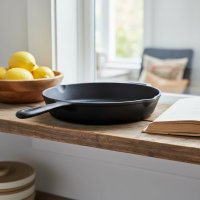
Welcome to Hljnt.com, where our 15 years in the kitchenware trenches have taught us a thing or two about what makes a great frying pan. If you’ve ever found yourself wondering about the perfect balance of durability, versatility, and ease of use, then the enameled cast iron frying pan is a conversation you absolutely need to be a part of. It’s more than just a pan; it’s a cornerstone for culinary creativity, bridging the gap between time-honored cooking traditions and modern kitchen convenience.

For generations, cast iron has been revered for its incredible heat retention and robust nature. But let’s be honest, the seasoning ritual and the “no soap!” rule weren’t for everyone. That’s where the enameled cast iron frying pan steps in, offering all the benefits of its bare metal cousin with a user-friendly twist. This isn’t just about cooking; it’s about making your time in the kitchen more enjoyable, efficient, and healthy.
Why an Enameled Cast Iron Frying Pan is Your Kitchen’s New Best Friend
Think of an enameled cast iron frying pan as cast iron’s sophisticated sibling. It boasts the same heavy-duty core, ensuring superior heat retention and incredibly even heat distribution, but it’s cloaked in a beautiful, durable glass enamel coating. This special layer changes the game in several key ways:
Effortless Maintenance, Zero Seasoning Required
One of the biggest advantages of enameled cast iron is that it comes ready to use right out of the box—no arduous seasoning process needed. Unlike traditional cast iron, the enamel coating acts as a protective barrier, preventing rust and eliminating the need for constant re-seasoning. “The beauty of enameled cast iron is its simplicity,” says Chef Anya Sharma, a seasoned culinary instructor and Hljnt contributor. “It brings the reliability of cast iron without the historical demands of seasoning, making it approachable for every home cook.” This means less time fussing and more time cooking!
A Non-Reactive Surface for Endless Culinary Possibilities
Ever wanted to simmer a vibrant tomato sauce or deglaze a pan with white wine in your cast iron, only to worry about a metallic taste or damaging your pan’s seasoning? With an enameled cast iron frying pan, those concerns vanish. The glass enamel surface is completely non-reactive, meaning you can cook acidic ingredients like tomatoes, citrus, and vinegars without any interaction, preserving the true flavors of your dishes. This versatility truly expands your recipe repertoire, allowing you to explore everything from hearty chilis to delicate hollandaise sauces with confidence.
Superior Heat Retention and Distribution
|
Our Picks for the Best Frying Pan in 2026
As an Amazon Associate I earn from qualifying purchases.
|
||
| Num | Product | Action |
|---|---|---|
| 1 | Amazon Basics Non Stick Kitchen Cookware 8-Piece Set, Non-Induction, Includes Pots and Pans, Black |

|
| 2 | Amazon Basics Non Stick Kitchen Cookware 15-Piece Set, Non-Induction, Includes Pots, Pans, and Utensils, Black |
|
| 3 | CAROTE Nonstick Frying Pan Skillet,Non Stick Granite Fry Pan Egg Pan Omelet Pans, Stone Cookware Chef\'s Pan, PFOA Free,Induction Compatible(Classic Granite, 8-Inch) |
|
| 4 | All-Clad D3 12\" Stainless Steel Frying pan W/Lid, 3-Ply Stainless Steel Pan, Induction, Oven Broiler Safe 600F Skillet, Professional Cookware, Silver |
|
| 5 | SENSARTE Nonstick Frying Pan Skillet, Swiss Granite Coating Omelette Pan, Healthy Stone Cookware Chef\'s Pan, PFOA Free (8/9.5/10/11/12.5 Inch) (9.5 Inch) |
|
| 6 | Yonida Non Stick Frying Pans, 12-inch with Lid, Hybrid Frying Pans Nonstick Upgrade,non stick Skillets Stainless Steel, Dishwasher & Oven-Safe, Induction Compatible Cooking Pan, PFOA Free Cookware |
|
| 7 | Tramontina Professional 10-Inch Non Stick Frying Pan, Heavy-Gauge Aluminum Skillet with Reinforced Nonstick Coating, Red Handle, Dishwasher and Oven Safe |
|
| 8 | Lodge 10.25 Inch Cast Iron Skillet – Pre-Seasoned Frying Pan with Teardrop Handle – Oven, Stovetop, Grill & Campfire Use – Made in USA – Durable, Non-Toxic, Even-Heating Cookware – Black |
|
| 9 | Amazon Basics Ceramic Nonstick Pots and Pans Cookware Set, Dishwasher & Oven Safe, Even Heating, 10-Piece Set, Copper Color |
|
| 10 | Ammeloo Tri-Ply Stainless Steel Frying Pan Set of 3, 8\", 9.5\", 11\", Non Stick Frying Pans and Skillets, Non Toxic Hybrid Pan, Induction Compatible Cooking Pans, Chef Pan, Black Interior |
|
At its core, an enameled cast iron frying pan is still cast iron, which means it excels at absorbing, retaining, and distributing heat evenly across its surface. This consistent heat is a game-changer for searing meats to perfection, achieving a beautiful golden-brown crust, or gently simmering stews. Once heated, it maintains a stable temperature, reducing hot spots and ensuring your food cooks uniformly, whether you’re frying eggs or baking cornbread.
Healthy Cooking Without Compromise
Concerned about metals leaching into your food or harmful toxins from non-stick coatings? The enamel layer on your enameled cast iron frying pan provides a safe, non-toxic cooking surface. It’s free from PFOA, PTFE, lead, and cadmium, ensuring your meals are not only delicious but also genuinely healthy. Plus, with its smooth surface, less oil is often needed, contributing to lighter, healthier cooking.
Enameled Cast Iron vs. Traditional Cast Iron: A Head-to-Head
While both types offer incredible cooking performance, understanding their differences helps you choose the right tool for the job.
| Feature | Enameled Cast Iron Frying Pan | Traditional Cast Iron Frying Pan |
|---|---|---|
| Seasoning | Not required; ready to use. | Essential for non-stick properties and rust prevention. |
| Rust Resistance | Excellent, thanks to the enamel coating (except exposed rims). | Prone to rust if not properly seasoned and dried. |
| Reactivity | Non-reactive; safe for acidic foods. | Reactive with acidic foods; can impart metallic taste. |
| Cleaning | Easy to clean with soap and water; hand washing recommended. | Requires specific cleaning methods to preserve seasoning; no harsh soaps. |
| Durability | Very durable, but enamel can chip or crack if dropped or thermally shocked. | Highly durable, almost indestructible if cared for, but susceptible to rust. |
| Heat Usage | Best at low to medium heat for even cooking and enamel protection. | Excellent at all temperatures, including high heat for searing. |
| Aesthetics | Available in a wide array of vibrant colors and finishes. | Typically black, rustic appearance. |
For slow cooking, braising, or dishes with acidic ingredients, your enameled cast iron frying pan shines. If you’re a fan of high-heat searing or open-fire cooking and don’t mind the seasoning upkeep, traditional cast iron might be your go-to. However, for most home cooks, the enameled version offers a more forgiving and versatile everyday experience.
Mastering Your Enameled Cast Iron Frying Pan: Tips for Optimal Use
Getting the most out of your enameled cast iron frying pan is all about understanding its unique properties.
Preheat Slowly and Steadily
This isn’t your average thin-bottomed pan that heats up in seconds. Enameled cast iron needs a gentle approach. Start by placing your pan over low to medium heat for about 5 minutes, allowing it to warm up gradually and evenly. Avoid using high heat from the get-go, as sudden temperature changes (thermal shock) can stress and damage the enamel. And never preheat an empty pan for longer than 5 minutes.
Always Use a Little Fat
While the enamel surface is smoother than bare cast iron, it’s not truly non-stick in the way a chemically coated pan is. Always add a small amount of oil, butter, or other cooking fat to your preheated pan before adding food. This creates a natural barrier, preventing sticking and aiding in that beautiful browning.
Bring Food to Room Temperature
For best results, especially with thicker cuts of meat, let your ingredients come closer to room temperature before adding them to the hot pan. This helps prevent thermal shock to the pan and ensures more even cooking of the food. Patting food dry also promotes a better sear and crust.
Choose the Right Utensils
To protect that precious enamel coating, always opt for wooden, silicone, or heat-resistant plastic utensils. Metal utensils can scratch or chip the surface, compromising its integrity and appearance.
Don’t Crowd the Pan
When searing or frying, give your food space. Overcrowding the pan can lower the surface temperature, leading to steaming instead of searing, and a less desirable result. Cook in batches if necessary, allowing each piece to brown properly.
Keeping Your Enameled Cast Iron Frying Pan Pristine: Care and Cleaning
Proper care ensures your enameled cast iron frying pan remains a cherished kitchen tool for decades.
Cool Down Completely Before Cleaning
This is perhaps the most crucial rule for preventing thermal shock. Never plunge a hot enameled cast iron pan into cold water or fill it with cold water right off the stove. Allow it to cool down to room temperature naturally before washing.
Hand Wash for Longevity
While some manufacturers claim their enameled cast iron is dishwasher safe, we at Hljnt strongly recommend hand washing. The harsh detergents and high temperatures of a dishwasher can dull the enamel’s finish over time, even if it doesn’t immediately affect performance. Use warm, soapy water and a soft sponge or a nylon brush. Avoid abrasive scouring pads, steel wool, or harsh cleaners, especially those with citrus, as they can damage the enamel.
Tackle Stubborn Stuck-On Food
Don’t fret over a stubborn mess! For food stuck to the surface, fill the pan with warm water and a few drops of dish soap, then let it soak for 15-20 minutes. Most residue will then wipe away easily. For truly persistent bits, try boiling 2 cups of water with 2-4 tablespoons of baking soda in the pan for a few minutes. The baking soda will help loosen the food, making it easier to scrape off with a wooden or silicone utensil.
Dry Thoroughly, Especially the Rim
Always dry your enameled cast iron frying pan immediately and thoroughly after washing. Pay special attention to the rim of the pan and any exposed cast iron, as these areas can still rust if left damp. Occasionally, rub a thin layer of cooking oil on the exposed rim to create a protective seal and prevent rust from forming.
Store with Care
When storing, avoid stacking other heavy pots or pans directly on top of your enameled cast iron without a protective layer in between. Use felt pan protectors or a kitchen towel to prevent chipping and scratching of the enamel surface.
Frequently Asked Questions About Enameled Cast Iron Frying Pans
Q: Can I use my enameled cast iron frying pan on induction cooktops?
A: Absolutely! Enameled cast iron frying pans are fully compatible with all cooktops, including induction, gas, electric, and ceramic. They also transition beautifully from stovetop to oven.
Q: Is enameled cast iron non-stick?
A: While its smooth enamel surface makes it less prone to sticking than bare cast iron, it’s not a true non-stick surface in the way a PTFE-coated pan is. Using a small amount of cooking fat is recommended to prevent food from sticking.
Q: Why is my enameled cast iron pan discoloring?
A: Discoloration, often appearing as brown or yellow stains, can occur over time due to high heat, certain foods, or cooking without enough fat. This is usually cosmetic and doesn’t affect performance. A baking soda paste or a specialized enamel cleaner can often help restore its appearance.
Q: Can I use metal utensils on my enameled cast iron?
A: No, it’s highly recommended to avoid metal utensils as they can scratch or chip the enamel surface. Stick to wooden, silicone, or heat-resistant plastic tools to preserve your pan’s integrity.
Q: My enamel chipped. Can I still use the pan?
A: If the enamel has chipped, especially on the cooking surface, it’s generally not recommended to continue using the pan for cooking. Exposed cast iron can rust and potentially leach iron into your food, and further chipping can occur. It’s best to discontinue use for cooking purposes.
The Hljnt Verdict
An enameled cast iron frying pan is more than just a piece of cookware; it’s an investment in countless delicious meals and a more enjoyable cooking experience. Its unmatched ability to retain and distribute heat, combined with its non-reactive surface and low maintenance requirements, makes it a star in any kitchen. From searing a perfect steak to simmering a rich stew, this versatile pan handles it all with grace and style.
At Hljnt.com, we believe that understanding your tools empowers you in the kitchen. Embrace the robust charm and effortless elegance of the enameled cast iron frying pan, and unlock a world of culinary possibilities. Start cooking smarter, not harder, and let your enameled cast iron become the trusted companion you reach for every day. What delicious creation will you whip up first?
Get our weekly buyer guide
Practical specs, not advice. Unsubscribe anytime.