Ever found yourself in a culinary tango, trying to sauté vegetables while simultaneously browning chicken, only to realize your pan simply isn’t big enough? It’s a common kitchen dilemma, one that a trusty Large Frying Pan can solve with ease. As your go-to experts at Hljnt.com, we’re here to tell you that a large frying pan isn’t just an option; it’s often a game-changer, a true kitchen essential that elevates your cooking from cramped to expansive. This isn’t just about size; it’s about unlocking efficiency, versatility, and sheer joy in your cooking.
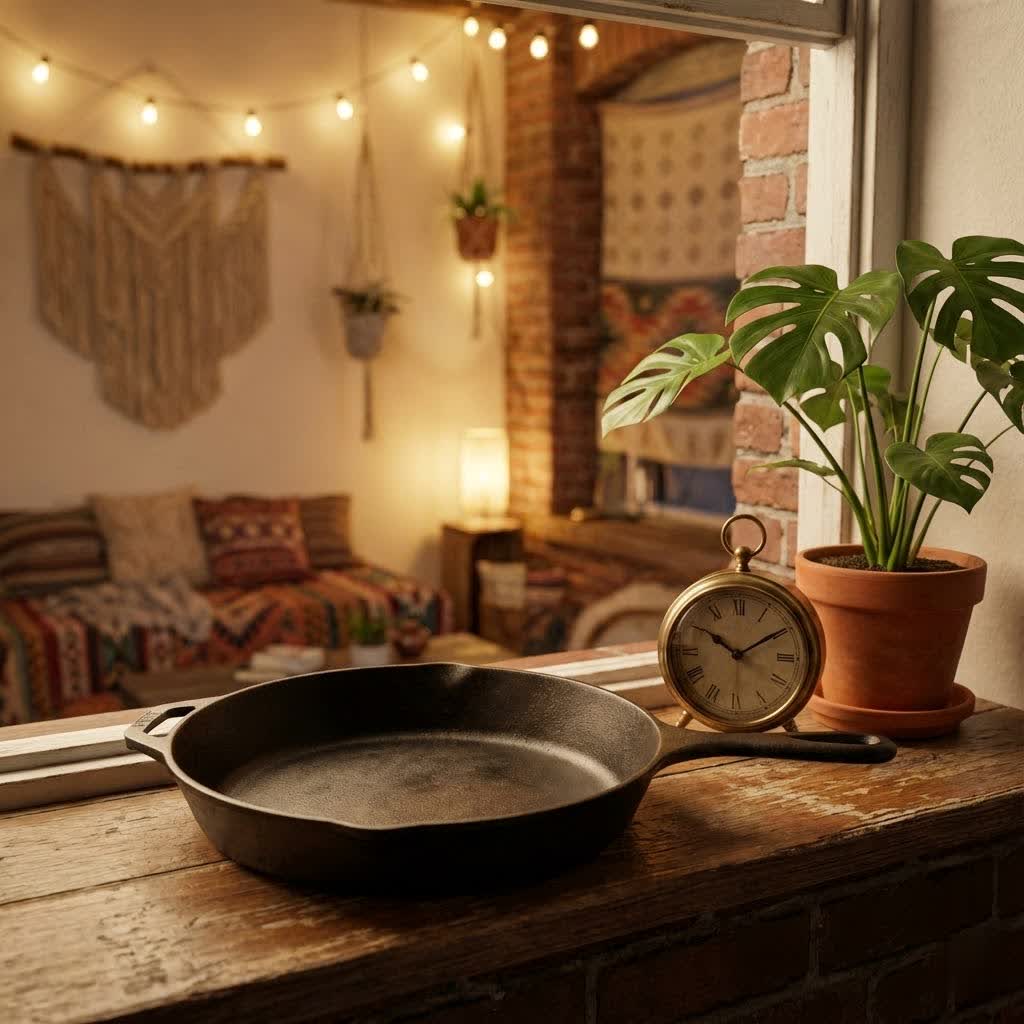
What Makes a Frying Pan “Large”? Understanding the Dimensions
When we talk about a large frying pan, we’re generally referring to any pan that measures 12 inches or more in diameter. You’ll often find “extra-large” models stretching to 13, 14, or even 15 inches. But it’s not just about the surface area; depth plays a role too. Some large frying pans feature deeper sides, blurring the lines with what’s often called a “jumbo cooker” or a “sauté pan,” providing ample capacity for substantial dishes and preventing ingredients from spilling over.
Why Go Big? The Undeniable Benefits of a Large Frying Pan
Why should you make space for a culinary giant in your kitchen? The advantages are plentiful and quickly become indispensable:
- Cooking for a Crowd and Family Meals: This is where a large frying pan truly shines. Imagine browning a dozen chicken thighs, searing several steaks, or cooking a generous batch of bacon all at once, rather than in multiple shifts. It’s a huge time-saver for busy family dinners or when entertaining guests.
- Effortless Meal Prep: For those who love to plan ahead, a big pan means you can roast a substantial quantity of vegetables, sauté a week’s worth of greens, or prepare a large batch of scrambled eggs for breakfast burritos. Less time cooking, more time enjoying.
- One-Pan Wonders: Layered dishes, stir-fries, skillet lasagnas, paellas, or hearty rice bowls become beautifully integrated in a single, spacious pan. No juggling multiple pots and pans; just one vessel for a complete, delicious meal.
- Superior Searing and Sautéing: Overcrowding a pan is the enemy of good searing. When ingredients are packed too tightly, they steam instead of browning, leading to lackluster results. A large frying pan provides the necessary space for proper air circulation, ensuring perfect caramelization and crispy textures every time.
- Versatility Beyond Frying: Don’t let the name fool you. A large frying pan is a multi-tasker. It can steam vegetables with a lid, simmer a rich sauce, roast potatoes in the oven, toast nuts, grill sandwiches, or even bake cornbread.
- Serving Convenience: Many large skillets are designed to look great on the table, allowing them to double as serving vessels. This means less cleanup and more convenience – just bring your culinary creation straight from the stove to the table.
Deciphering Materials: What Your Large Frying Pan is Made Of Matters
The material of your large frying pan dictates its performance, durability, and care requirements. Let’s explore the popular options:
Hard Anodized Aluminum: Lightweight Durability and Even Heat
|
Our Picks for the Best Frying Pan in 2026
As an Amazon Associate I earn from qualifying purchases.
|
||
| Num | Product | Action |
|---|---|---|
| 1 | Tramontina Professional 10-Inch Non Stick Frying Pan, Heavy-Gauge Aluminum Skillet with Reinforced Nonstick Coating, Red Handle, Dishwasher and Oven Safe |

|
| 2 | Lodge 10.25 Inch Cast Iron Skillet – Pre-Seasoned Frying Pan with Teardrop Handle – Oven, Stovetop, Grill & Campfire Use – Made in USA – Durable, Non-Toxic, Even-Heating Cookware – Black |
|
| 3 | Ammeloo Tri-Ply Stainless Steel Frying Pan Set of 3, 8\", 9.5\", 11\", Non Stick Frying Pans and Skillets, Non Toxic Hybrid Pan, Induction Compatible Cooking Pans, Chef Pan, Black Interior |
|
| 4 | CAROTE Nonstick Frying Pan Skillet,Non Stick Granite Fry Pan Egg Pan Omelet Pans, Stone Cookware Chef\'s Pan, PFOA Free,Induction Compatible(Classic Granite, 8-Inch) |
|
| 5 | Amazon Basics Non Stick Kitchen Cookware 15-Piece Set, Non-Induction, Includes Pots, Pans, and Utensils, Black |
|
| 6 | Yonida Non Stick Frying Pans, 12-inch with Lid, Hybrid Frying Pans Nonstick Upgrade,non stick Skillets Stainless Steel, Dishwasher & Oven-Safe, Induction Compatible Cooking Pan, PFOA Free Cookware |
|
| 7 | Amazon Basics Ceramic Nonstick Pots and Pans Cookware Set, Dishwasher & Oven Safe, Even Heating, 10-Piece Set, Copper Color |
|
| 8 | Amazon Basics Non Stick Kitchen Cookware 8-Piece Set, Non-Induction, Includes Pots and Pans, Black |
|
| 9 | SENSARTE Nonstick Frying Pan Skillet, Swiss Granite Coating Omelette Pan, Healthy Stone Cookware Chef\'s Pan, PFOA Free (8/9.5/10/11/12.5 Inch) (9.5 Inch) |
|
| 10 | All-Clad D3 12\" Stainless Steel Frying pan W/Lid, 3-Ply Stainless Steel Pan, Induction, Oven Broiler Safe 600F Skillet, Professional Cookware, Silver |
|
Hard anodized aluminum pans are celebrated for being lightweight yet incredibly durable. The anodization process creates a hardened surface that is scratch-resistant and non-reactive. They excel at even heat distribution, making them a fantastic base for large non-stick coatings.
Stainless Steel: The Browning Champion for Longevity
For those who prioritize durability and excellent browning, stainless steel is a classic choice. Often constructed with a “tri-ply” design (layers of stainless steel surrounding an aluminum core), these pans offer robust performance and good heat distribution. While not inherently non-stick, they can develop a non-stick-like surface with proper preheating and oiling. Stainless steel pans are typically oven-safe and dishwasher-safe, offering tremendous longevity.
Ceramic Nonstick: The PFAS-Free, Easy-Release Solution
In recent years, ceramic nonstick coatings have gained immense popularity, largely due to their PFAS-free, PFOA-free, and PTFE-free composition. These coatings offer fantastic food release and easy cleanup, making them a dream for delicate foods like eggs or pancakes, especially in larger sizes where food can spread out.
However, it’s worth noting that the durability of ceramic nonstick can vary. While many are designed to be robust, some manufacturers advise against high-temperature cooking, metal utensils, or harsh dishwashing, as these can accelerate the natural deterioration of the nonstick properties over time. Always check the specific care instructions for your pan.
Cast Iron: The Heritage Workhorse for Heat Retention
Cast iron skillets are true kitchen heirlooms, known for their exceptional heat retention and ability to achieve incredible searing temperatures. They are incredibly durable and, with proper care and seasoning, can last for generations, developing a naturally non-stick patina over time. They are oven-safe to very high temperatures, making them perfect for starting dishes on the stove and finishing them in the oven.
The trade-off? Cast iron is heavy, which can make maneuvering a large pan challenging. Traditional cast iron also requires diligent seasoning and gentle handwashing to maintain its surface. Enameled cast iron offers a lower-maintenance alternative, foregoing the need for seasoning and often allowing for easier cleanup, though the enamel can chip if mistreated.
Carbon Steel: Cast Iron’s Lighter, Responsive Cousin
Carbon steel offers a compelling middle ground between cast iron and stainless steel. It boasts excellent heat retention and responsiveness to temperature changes, similar to cast iron, but in a lighter form. Like cast iron, it requires seasoning to build up a natural non-stick surface and benefits from careful handwashing. For those who love the qualities of cast iron but prefer a more agile pan, large carbon steel frying pans are a superb choice.
Hybrid Technology: The Best of All Worlds?
Some innovative brands have introduced hybrid frying pans that aim to combine the best aspects of different materials. For example, HexClad’s patented hybrid design uses a laser-etched hexagonal pattern, creating stainless steel peaks for searing and durability, interspersed with PFAS-free ceramic nonstick valleys for easy release. These pans often boast features like being metal utensil-safe, oven-safe to extremely high temperatures, and dishwasher-safe, offering a versatile and robust cooking experience.
Beyond the Basics: Essential Features to Look for in a Large Frying Pan
Once you’ve considered the material, a few key features will help you choose the perfect large frying pan for your culinary adventures:
- Handle Design and Strength: A large pan filled with food can be surprisingly heavy. Look for sturdy, securely riveted handles. Many large pans also feature a helper handle on the opposite side, making it much easier and safer to lift and transport the pan from stove to oven or table. Double-handled designs also offer better balance.
- Lids: The Unsung Hero for Moisture and Splatter Control: A well-fitting lid is invaluable. A domed lid allows steam to circulate and condensate, returning moisture to your food, while also providing enough space for larger ingredients. Lids are also critical for minimizing splatter and helping dishes simmer evenly.
- Oven-Safe Capabilities: Expand Your Cooking Horizons: For ultimate flexibility, choose a pan that can go from stovetop to oven. This allows you to sear a roast, then finish it slowly in the oven, or make a frittata without transferring to a different dish. Always check the manufacturer’s specified maximum oven-safe temperature.
- Stovetop Compatibility: Induction-Ready and Beyond: Ensure your chosen pan is compatible with your specific heat source. While most pans work on gas and electric stovetops, if you have an induction hob, you’ll need a pan with a magnetic base (like cast iron, carbon steel, or certain stainless steel and hybrid options).
- Health & Safety: The Importance of PFAS-Free: With growing awareness about “forever chemicals,” many cooks prioritize pans that explicitly state they are PFAS-free, PFOA-free, and PTFE-free. These coatings aim to provide a safer cooking surface, aligning with a healthier kitchen philosophy.
Caring for Your Culinary Giant: Maintenance Tips for Longevity
Proper care is key to ensuring your large frying pan remains a workhorse in your kitchen for years.
- General Rules:
- Warm Up Slowly: Allow your pan to preheat gradually.
- Appropriate Burner Size: Match the pan to an appropriately sized burner for efficient and even heating.
- Add Liquid/Oil: Unless it’s cast or wrought iron, always add oil or liquid before heating an empty pan.
- Cool Before Washing: Never plunge a hot pan into cold water; sudden temperature changes can cause warping or damage, even to solid iron.
- Material-Specific Care:
- Seasoning: Cast iron and carbon steel pans require regular seasoning with oil to maintain their non-stick properties and protect against rust. Avoid harsh soaps.
- Metal Utensils: While some hybrid and uncoated stainless steel pans are metal utensil-safe, most nonstick coatings (especially ceramic) recommend using nylon, silicone, or wooden utensils to prevent scratches.
- Dishwasher Safety: Many pans are advertised as dishwasher-safe, but often, handwashing is recommended to prolong the pan’s performance and appearance, particularly for nonstick coatings. Fully dry metal pans by gently heating them on the hob before storing to prevent moisture-related issues.
Expert Insights from Chef Lena Pham, Head of Cookware Innovation at Hljnt.com
“Choosing a large frying pan is more than just buying another piece of cookware; it’s an investment in your culinary efficiency and enjoyment,” says Chef Lena Pham, a veteran with over 15 years in the field. “Consider your lifestyle: how often do you cook for more than two people? What kind of meals do you typically prepare? Understanding these factors will guide you toward a pan that doesn’t just fit your stove, but truly fits your life, making every cooking session smoother and more satisfying.”
Frequently Asked Questions About Large Frying Pans
Q: What’s the ideal size for a family of four?
A: For a family of four, a 12-inch large frying pan is generally ideal, offering enough space to cook main courses and side dishes without overcrowding. If you frequently cook larger batches or for guests, a 13 or 14-inch pan would be an even better fit.
Q: Can I use a large frying pan in the oven?
A: Many large frying pans are oven-safe, but always check the manufacturer’s instructions for the specific temperature limit. Handles made of certain plastics or wood may not be oven-safe, so be sure to verify.
Q: How do I know if my pan is PFAS-free?
A: Look for explicit labeling on the product packaging or description stating “PFAS-free,” “PFOA-free,” or “free from forever chemicals.” Reputable brands will clearly highlight this health-conscious feature.
Q: Are larger pans harder to clean?
A: Not necessarily. While they take up more sink space, many large frying pans with nonstick coatings are surprisingly easy to clean. For materials like cast iron, consistent seasoning actually makes cleaning easier over time. However, some larger, heavier pans might be more cumbersome to handwash.
Q: What’s the difference between a large frying pan and a sauté pan?
A: A frying pan (or skillet) typically has sloping, shallower sides, designed for frying, searing, and browning. A sauté pan, while also large, usually features deeper, straight sides and a wider flat bottom, making it better for dishes that involve liquids, simmering, or tossing ingredients without spillage, such as curries or large batches of vegetables. Many “jumbo cookers” effectively combine the features of both.
Your Big Pan Adventure Awaits!
A large frying pan is much more than just an oversized cooking vessel; it’s a testament to smart kitchen design and a powerful tool for any home cook. By understanding the different materials, considering essential features, and committing to proper care, you can select a pan that will transform your cooking experience, making it more efficient, versatile, and enjoyable. Embrace the space, savor the flavors, and let your big pan adventure begin!
