Stepping into the kitchen, a frying pan is often the first tool we reach for, the unsung hero behind countless delicious meals. But with a dizzying array of options – from sleek non-stick wonders to rugged cast iron behemoths – how do you possibly choose the best frying pan for your culinary adventures? As your trusted expert from Hljnt.com, with over 15 years immersed in the world of cookware, I’m here to demystify the choices and guide you to your perfect pan. This isn’t just about buying a pan; it’s about investing in a tool that elevates your cooking, perfectly matching your style, stove, and budget.
Understanding Frying Pan Materials: Your Culinary Canvas
The heart of any frying pan lies in its material. Each type offers distinct advantages, influencing everything from heat distribution to durability and the very flavors you achieve. Let’s dive into the most popular choices.
Non-Stick Frying Pans: The Everyday Workhorse
Ah, the beloved non-stick! These pans are a staple for a reason: effortless food release and easy cleanup. They’re typically made with an aluminum base for quick and even heating, coated with either PTFE (polytetrafluoroethylene, often known by the brand name Teflon) or ceramic.
- PTFE-based Non-Stick: Modern PTFE coatings are PFOA-free and considered safe for everyday use. They excel at delicate foods like eggs, pancakes, and flaky fish. Brands like Tramontina Professional offer excellent value, performing remarkably for their price, making them a smart choice since all non-stick pans eventually wear out. Misen non-stick pans are also highly regarded for their sturdy build and comfortable grip, ticking many performance boxes for a premium experience.
- Ceramic Non-Stick: These pans are marketed as an “all-natural” alternative, free from the chemicals found in traditional non-stick. They can often withstand higher oven temperatures. The Made In CeramiClad skillet, for example, is praised for its exceptional food release and rapid, even heating. However, a common drawback is that ceramic coatings may lose their non-stick properties faster than PTFE surfaces over time, and they often come with a higher price tag.
- Hybrid Non-Stick: A fascinating innovation, hybrid pans like HexClad combine non-stick ceramic with a raised stainless steel honeycomb pattern. This design aims to offer the best of both worlds: good food release with enhanced searing capabilities, and a surface that’s more resistant to metal utensils. While they may not be as completely non-stick as a pure non-stick pan, they provide a remarkable balance for those who want versatility.
|
Our Picks for the Best Frying Pan in 2026
As an Amazon Associate I earn from qualifying purchases.
|
||
| Num | Product | Action |
|---|---|---|
| 1 | Amazon Basics Non Stick Kitchen Cookware 15-Piece Set, Non-Induction, Includes Pots, Pans, and Utensils, Black |

|
| 2 | Amazon Basics Ceramic Nonstick Pots and Pans Cookware Set, Dishwasher & Oven Safe, Even Heating, 10-Piece Set, Copper Color |
|
| 3 | Lodge 10.25 Inch Cast Iron Skillet – Pre-Seasoned Frying Pan with Teardrop Handle – Oven, Stovetop, Grill & Campfire Use – Made in USA – Durable, Non-Toxic, Even-Heating Cookware – Black |
|
| 4 | Amazon Basics Non Stick Kitchen Cookware 8-Piece Set, Non-Induction, Includes Pots and Pans, Black |
|
| 5 | Yonida Non Stick Frying Pans, 12-inch with Lid, Hybrid Frying Pans Nonstick Upgrade,non stick Skillets Stainless Steel, Dishwasher & Oven-Safe, Induction Compatible Cooking Pan, PFOA Free Cookware |
|
| 6 | Tramontina Professional 10-Inch Non Stick Frying Pan, Heavy-Gauge Aluminum Skillet with Reinforced Nonstick Coating, Red Handle, Dishwasher and Oven Safe |
|
| 7 | Ammeloo Tri-Ply Stainless Steel Frying Pan Set of 3, 8\", 9.5\", 11\", Non Stick Frying Pans and Skillets, Non Toxic Hybrid Pan, Induction Compatible Cooking Pans, Chef Pan, Black Interior |
|
| 8 | SENSARTE Nonstick Frying Pan Skillet, Swiss Granite Coating Omelette Pan, Healthy Stone Cookware Chef\'s Pan, PFOA Free (8/9.5/10/11/12.5 Inch) (9.5 Inch) |
|
| 9 | CAROTE Nonstick Frying Pan Skillet,Non Stick Granite Fry Pan Egg Pan Omelet Pans, Stone Cookware Chef\'s Pan, PFOA Free,Induction Compatible(Classic Granite, 8-Inch) |
|
| 10 | All-Clad D3 12\" Stainless Steel Frying pan W/Lid, 3-Ply Stainless Steel Pan, Induction, Oven Broiler Safe 600F Skillet, Professional Cookware, Silver |
|
Pros: Excellent food release, easy to clean, ideal for delicate dishes, often lightweight.
Cons: Coatings can degrade over time (typically 3-5 years), generally not suitable for very high heat (which can damage the coating), usually requires non-metal utensils.
Stainless Steel Frying Pans: The Professional’s Choice
For durability, searing power, and versatility, stainless steel is a champion. These pans don’t offer non-stick properties inherently, but they develop a natural patina over time with proper use and can achieve an incredible sear, creating that coveted “fond” for sauces.
- Construction: Most high-quality stainless steel pans are “clad,” meaning they consist of multiple layers (3-ply, 5-ply, or even 7-ply) of different metals. An aluminum or copper core is sandwiched between stainless steel layers, combining the strength and non-reactivity of stainless steel with the superior heat conduction of aluminum or copper. For instance, Demeyere Atlantis and Fissler Original-Profi are renowned for their thick construction and unparalleled heat distribution and retention. Made In and All-Clad D3 Everyday are also excellent performers, offering a balance of quality and value.
- Benefits: Stainless steel is highly durable, non-reactive (won’t alter food flavors), and typically oven-safe to very high temperatures. It’s also compatible with all stovetops, including induction.
Pros: Extremely durable, excellent for searing and browning, non-reactive, oven and broiler safe, induction compatible (if magnetic base).
Cons: Food can stick if not properly heated and oiled, requires more fat for cooking than non-stick, can be pricier.
Cast Iron Skillets: The Heirloom Cookware
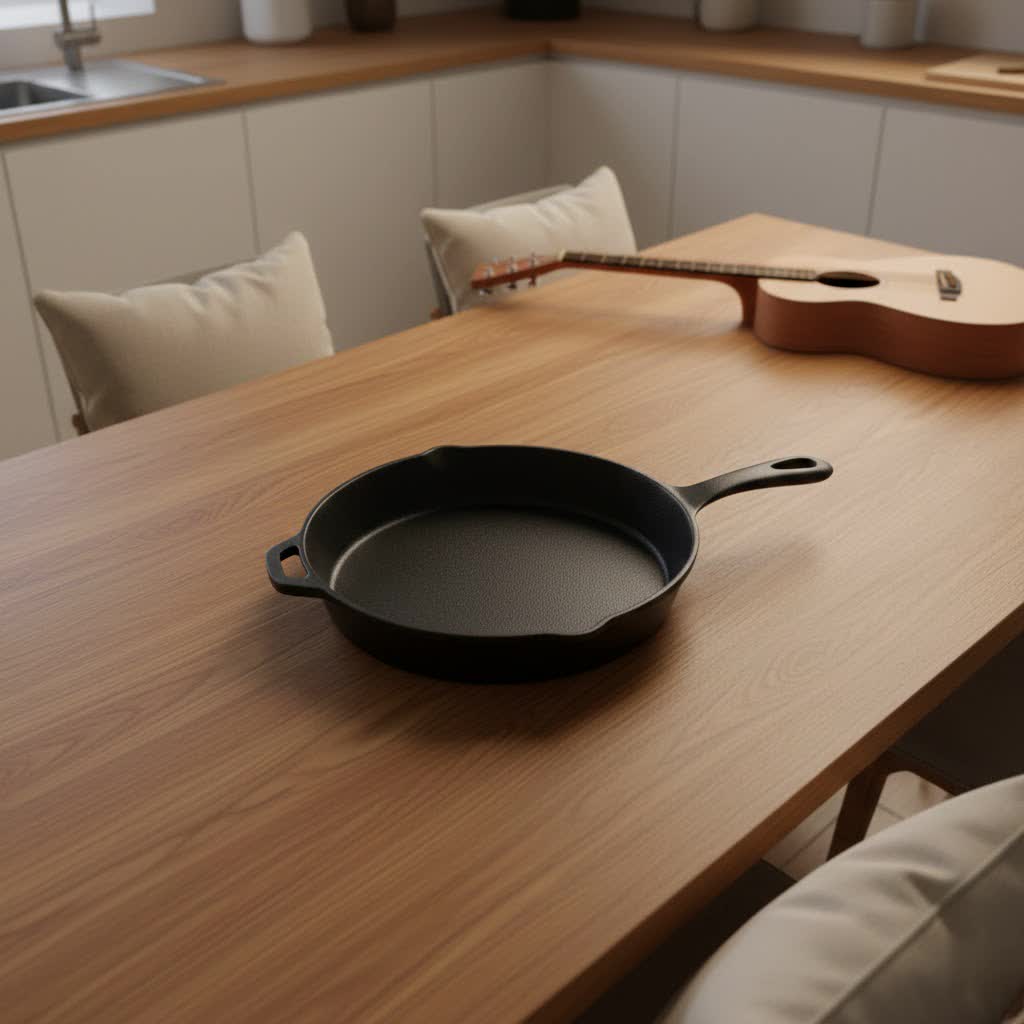
Cast iron is the legendary cookware, a durable workhorse that can last generations if properly cared for. Its incredible heat retention makes it superb for searing steaks, frying chicken, and even baking cornbread.
- Seasoning: A well-seasoned cast iron pan develops a natural, chemical-free non-stick surface. This seasoning is a layer of polymerized oil that bonds to the metal. Lodge Classic skillets are a fantastic entry point, offering exceptional value and coming pre-seasoned. For those willing to invest, brands like Smithey and Stargazer provide smoother surfaces and refined designs.
- Enameled Cast Iron: This type combines the heat retention of cast iron with a protective enamel coating, eliminating the need for seasoning and making it non-reactive. While often heavier and more expensive, it’s easier to clean and maintain.
Pros: Unmatched heat retention, incredibly durable, naturally non-stick with good seasoning, versatile (stovetop, oven, grill, campfire), excellent for high-heat cooking.
Cons: Heavy, requires specific maintenance (seasoning, handwashing), can rust if not cared for, heats slowly.
Carbon Steel Frying Pans: The Chef’s Secret Weapon
Often considered a hybrid between cast iron and stainless steel, carbon steel offers the searing capabilities and natural non-stick properties of cast iron but is lighter and more responsive to temperature changes. It’s a favorite among professional chefs.
- Similar to Cast Iron: Like cast iron, carbon steel needs to be seasoned to prevent rust and create a non-stick surface. However, it heats up faster and cools down more quickly, giving you more control over cooking temperatures.
- Modern Innovations: Some carbon steel pans, like the Misen Carbon Nonstick, feature a nitrided surface that offers enhanced resistance to rust and acidic foods, reducing the need for constant seasoning and performing like a traditional non-stick from the start. Strata pans are also notable for their unique three-layer construction, making them lighter and more evenly heating than traditional carbon steel.
Pros: Excellent searing, responsive to heat changes, durable, develops natural non-stick over time, generally lighter than cast iron.
Cons: Requires seasoning and regular maintenance, can rust, reactive to acidic foods (which can strip seasoning).
Key Factors in Choosing Your Best Frying Pan
Beyond the material, several other factors play a crucial role in selecting the ideal frying pan for your kitchen.
Heat Conduction and Retention
These two characteristics determine how a pan performs.
- Heat Conduction refers to how quickly a pan heats up. Materials like aluminum and copper are excellent conductors, making pans responsive to temperature changes.
- Heat Retention is a pan’s ability to hold onto heat. Thicker materials like cast iron and multi-ply stainless steel excel here, maintaining a consistent temperature even when cold food is added, which is vital for a good sear.
Stovetop Compatibility
Always check if a pan is compatible with your stovetop. While most pans work on gas and electric coil stoves, induction cooktops require pans with a magnetic base (typically stainless steel or cast iron). Many aluminum-based non-stick pans may not work unless they have a bonded steel plate on the bottom.
Oven Safety
Consider how high a temperature your pan can withstand in the oven. Many recipes start on the stovetop and finish in the oven, making oven-safe handles and construction essential. Ceramic non-stick pans often have higher oven-safe limits than traditional non-stick.
Handle Design and Comfort
A comfortable, secure handle makes a world of difference.
- Material: Stainless steel handles are durable and oven-safe. Silicone grips provide comfort but can limit oven-safe temperatures.
- Attachment: Riveted handles are common and sturdy, but rivets inside the pan can be tricky to clean. Welded handles offer a seamless interior.
- Ergonomics: Some handles are designed for a specific grip, while others are known for being slippery when wet or greasy. “The ideal handle is long enough for a secure grip and designed to stay cool on the stovetop,” notes Chef Elias Thorne, Hljnt.com’s lead cookware technologist.
Weight and Balance
A pan’s weight impacts maneuverability. A heavy cast iron pan offers excellent stability but can be challenging to lift and move. Lighter aluminum or carbon steel pans are easier for tossing ingredients. Balance is key: a well-balanced pan won’t tip over when empty on the burner.
Flat Cooking Surface
The usable flat surface area of a pan is often smaller than its rim-to-rim diameter. Pans with straighter sides or more gradual slopes tend to offer a larger flat cooking area, which means more space for your ingredients.
Durability and Longevity
This is where materials truly diverge. While a well-maintained cast iron or stainless steel pan can last a lifetime, non-stick coatings are inherently less durable and will eventually wear down. Expect 3-5 years of consistent use for a quality non-stick pan, even with diligent care. Some premium non-stick pans feature multiple reinforced layers for extended life, but they are still not “forever” pans.
Price and Value
Frying pans range widely in price. For non-stick, a budget-friendly option like the Tramontina Professional makes sense given its eventual disposability. For stainless steel, cast iron, or carbon steel, investing in a higher-quality pan can pay off over decades of use. Remember, “the cheapest option isn’t always the most economical if you’re replacing it every year,” advises Chef Thorne.
Hljnt’s Top Picks: Navigating the Market
Based on our extensive testing and deep understanding of cookware, here are some top recommendations tailored to different cooking needs:
- Best Overall Value Non-Stick: The Tramontina Professional fry pan is an unbeatable workhorse. It offers excellent performance at a price that won’t make you wince when it eventually needs replacing.
- Best Premium Non-Stick: The Misen 10-inch Pan stands out for its sturdy build, excellent food release, and comfortable ergonomic handle, making it a joy to use daily.
- Best Ceramic Non-Stick: For those seeking a PFOA/PFAS-free alternative, the Made In CeramiClad skillet delivers exceptional performance and fast, even heating in a durable, well-constructed package.
- Best for High-Heat Searing with Non-Stick Benefits: The HexClad Hybrid Frying Pan masterfully blends the best aspects of stainless steel and non-stick, allowing for impressive searing while still offering easier food release.
- Best Everyday Stainless Steel: For robust performance without breaking the bank, the Made In Stainless Steel or All-Clad D3 Everyday pans are solid choices, known for their even heating and durability.
- Best Traditional Cast Iron: The Lodge Classic Cast Iron Skillet remains a timeless choice, offering incredible value and exceptional heat retention for all your searing and frying needs.
Caring for Your Frying Pan: Extend Its Life
Even the best frying pan needs a little love to perform optimally and last longer.
- Handwashing is King: For almost all frying pans, especially non-stick, handwashing with warm, soapy water and a soft sponge is best. Dishwashers can be harsh and accelerate the wear of non-stick coatings and affect the seasoning of cast iron.
- Choose Your Utensils Wisely: On non-stick surfaces, always use wood, silicone, or heat-safe plastic utensils to prevent scratches. The only exception is hybrid pans like HexClad, designed to withstand metal. For stainless steel, cast iron, and carbon steel, metal utensils are generally fine.
- Control the Heat: Avoid excessively high heat with non-stick pans; it can damage the coating and potentially release fumes. Stainless steel, cast iron, and carbon steel can handle much higher temperatures, but proper preheating is crucial.
- Proper Storage: To prevent scratches and damage, especially to non-stick coatings, use pan protectors or felt dividers if stacking your pans.
- Seasoning for Iron and Steel: Cast iron and carbon steel pans require regular seasoning. This involves applying a thin layer of oil and heating the pan to polymerize the oil, creating a protective, non-stick barrier.
Common Frying Pan Questions Answered
Are modern non-stick pans safe?
Yes, modern non-stick pans are widely considered safe for home use. The chemical PFOA, which was linked to health concerns, has been phased out since 2002. Today’s PTFE-based non-stick coatings are stable at normal cooking temperatures. However, it’s still recommended to avoid overheating them above 500°F (260°C) to prevent any potential breakdown of the coating.
How long do non-stick pans typically last?
With proper care (handwashing, using non-metal utensils, avoiding high heat), a good quality non-stick pan should last approximately three to five years. Frequent use or improper care can shorten this lifespan. They are generally considered consumable items that will eventually need replacement.
Can I use metal utensils on any non-stick pan?
No, you should generally not use metal utensils on non-stick cookware, including most ceramic non-stick pans. Metal can scratch and damage the coating, causing it to degrade faster and lose its non-stick properties. The notable exception is hybrid non-stick pans, like HexClad, which are specifically designed with raised stainless steel patterns to protect the non-stick surface from metal utensils.
What does “induction compatible” mean?
Induction cooktops work by creating a magnetic field that directly heats the cookware itself. For a frying pan to be “induction compatible,” its base must be made of a magnetic material, such as iron (found in cast iron and carbon steel) or a specific type of stainless steel. If your pan is made primarily of aluminum or copper without a magnetic base plate, it will not work on an induction stove.
Conclusion
Choosing the best frying pan is a deeply personal decision, influenced by your cooking habits, preferred materials, and budgetary considerations. Whether you prioritize the effortless release of a non-stick, the robust searing of stainless steel, or the enduring legacy of cast iron, there’s a perfect pan waiting for you. By understanding the nuances of each material and considering key performance factors, you can make an informed choice that will bring joy and efficiency to your kitchen for years to come.
At Hljnt.com, our mission is to empower you with the knowledge to make confident decisions about your cookware. We believe that with the right tools, everyone can achieve culinary greatness. So, go forth, explore the possibilities, and find the frying pan that truly speaks to your inner chef. Happy cooking!
