Choosing the ideal frying pan involves understanding material properties, heat management, and proper care, with options like stainless steel, cast iron, carbon steel, and non-stick each offering distinct advantages for various cooking styles. For example, cast iron excels at high-heat searing due to its superior heat retention, while non-stick pans are best for delicate foods like eggs, typically lasting 3 to 5 years before needing replacement.
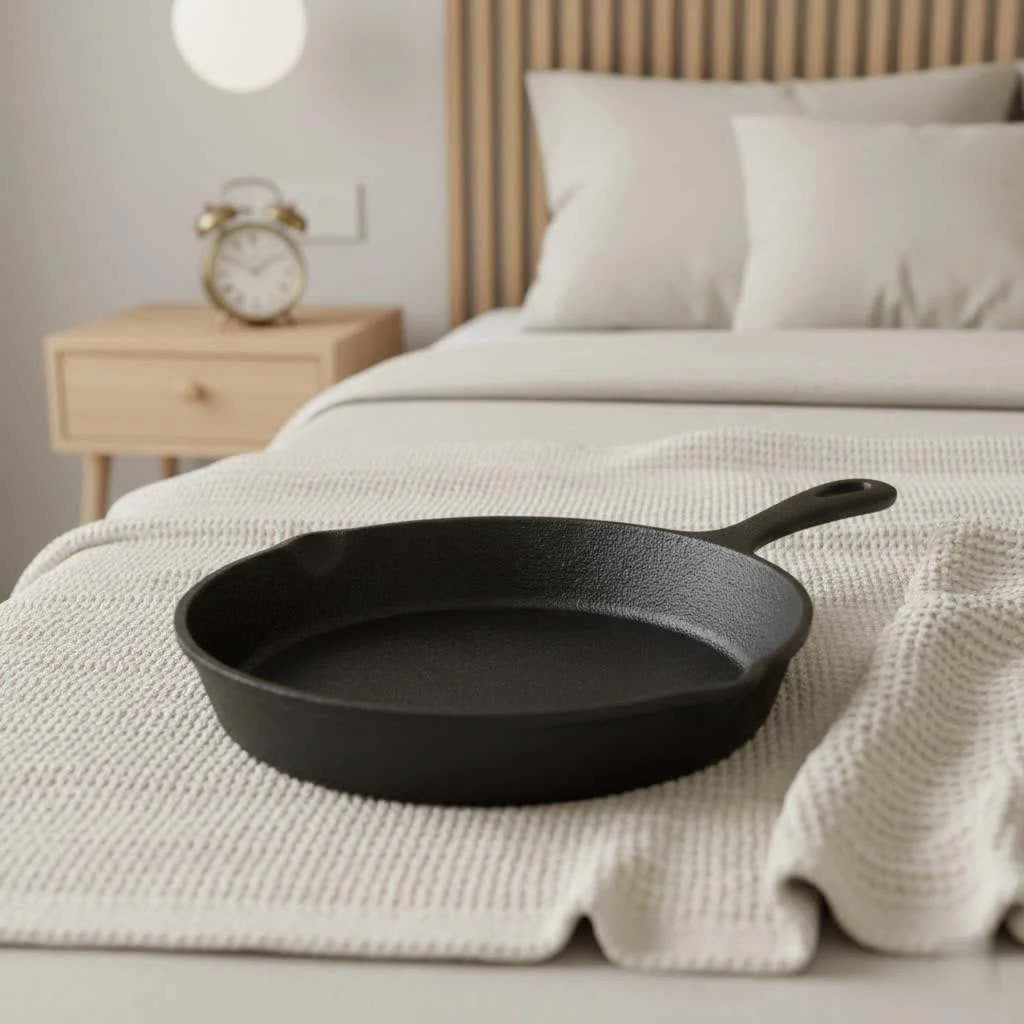
Decoding Frying Pan Materials: What’s Your Culinary Match?
The journey to finding your ideal frying pan begins with understanding its core: the material. Each material offers unique strengths and quirks, making it suited for different cooking styles. Let’s break them down. For complete reviews library on this site.
Stainless Steel: The Versatile Workhorse
Stainless steel pans are built for durability and versatility, handling everything from high-heat searing to delicate pan sauces. Many high-quality stainless steel pans are “clad,” meaning they have layers of different metals, like aluminum or copper, sandwiched between stainless steel. This multi-ply design ensures excellent heat distribution and responsiveness.
- Pros: Highly durable, non-reactive (safe for acidic foods), oven-safe (check handle), great for browning and creating flavorful “fond” for sauces, relatively lightweight for easy maneuvering.
- Cons: Not naturally non-stick, requires proper preheating and fat to prevent sticking, can be pricier.
- Best Uses: Searing meats, sautéing vegetables, deglazing for pan sauces, general-purpose cooking.
- Care: Warm, soapy water and a non-abrasive sponge. For stubborn bits, soak in hot water, use a baking soda paste, or a stainless steel cleaner. Vinegar can tackle rainbow discoloration.
Cast Iron: The Heirloom Heat Champion
Few pans boast the legendary status of cast iron. These heavy, robust frying pans are renowned for their exceptional heat retention, making them unbeatable for achieving that perfect, even sear on a steak or crispy fried chicken. They’re also incredibly durable, often passed down through generations.
- Pros: Superior heat retention, excellent for searing and high-temperature cooking, develops a natural non-stick surface with proper seasoning, extremely durable, often oven and broiler safe.
- Cons: Heavy, requires regular seasoning to maintain non-stick properties and prevent rust, reactive to acidic foods (unless enameled), heats up slower.
- Best Uses: Searing, frying, baking (cornbread, frittatas), deep-frying.
- Care: Always cool before cleaning. Avoid harsh soaps (they strip seasoning); instead, scrape off food, rinse with hot water, and dry thoroughly. Re-season with a thin layer of oil after each use or when needed.
Carbon Steel: The Chef’s Secret Weapon
Think of carbon steel as the agile cousin to cast iron. It offers the best of both worlds: the excellent heat retention and natural non-stick potential of cast iron, combined with the quicker heat-up time and lighter weight of stainless steel. It’s a favorite among restaurant chefs for its responsiveness and ability to create a beautiful crust.
- Pros: Heats quickly and evenly, excellent heat retention, develops natural non-stick seasoning, lighter than cast iron, very durable.
- Cons: Requires seasoning, reactive to acidic foods, needs careful cleaning.
- Best Uses: Searing, stir-frying, omelets, everyday frying.
- Care: Similar to cast iron – avoid strong detergents, clean with hot water and a gentle scrub, dry immediately, and re-season lightly with oil.
Non-Stick: Convenience in Every Flip
For those quick meals where effortless food release is paramount, a non-stick frying pan is indispensable. These pans typically feature a base material (often aluminum) coated with a non-stick layer, making them perfect for delicate foods that tend to stick.
- Pros: Easy food release, requires minimal oil, simple cleanup, great for eggs, pancakes, and fish.
- Cons: Less durable coating, generally not suitable for very high heat (can damage coating), metal utensils can scratch the surface, shorter lifespan (typically 3-5 years).
- Best Uses: Eggs, crepes, delicate fish, sticky sauces, reheating leftovers.
- Care: Use soft sponges and wooden or silicone utensils. Avoid abrasive cleaners and metal tools. Hand washing with warm soapy water is highly recommended to prolong the coating’s life. Never heat an empty non-stick pan.
Ceramic & Other Options: Exploring Beyond the Basics
While the big four dominate, you’ll also encounter other materials. Ceramic-coated frying pans offer a non-stick surface, often marketed as a “healthier” alternative, but typically have poorer heat distribution and a shorter lifespan compared to traditional non-stick. They also require careful use to prevent chipping. Copper pans are beautiful and incredibly conductive, heating almost instantly, but they’re expensive, reactive, and require meticulous care. Aluminum pans are lightweight and inexpensive but often don’t retain heat well and can be reactive. Always look for PFOA-free coatings when considering non-stick options for peace of mind.
Mastering Your Frying Pan: Essential Usage and Care Tips
|
Our Picks for the Best Frying Pan in 2026
As an Amazon Associate I earn from qualifying purchases.
|
||
| Num | Product | Action |
|---|---|---|
| 1 | Ammeloo Tri-Ply Stainless Steel Frying Pan Set of 3, 8\", 9.5\", 11\", Non Stick Frying Pans and Skillets, Non Toxic Hybrid Pan, Induction Compatible Cooking Pans, Chef Pan, Black Interior |

|
| 2 | Lodge 10.25 Inch Cast Iron Skillet – Pre-Seasoned Frying Pan with Teardrop Handle – Oven, Stovetop, Grill & Campfire Use – Made in USA – Durable, Non-Toxic, Even-Heating Cookware – Black |
|
| 3 | Tramontina Professional 10-Inch Non Stick Frying Pan, Heavy-Gauge Aluminum Skillet with Reinforced Nonstick Coating, Red Handle, Dishwasher and Oven Safe |
|
| 4 | SENSARTE Nonstick Frying Pan Skillet, Swiss Granite Coating Omelette Pan, Healthy Stone Cookware Chef\'s Pan, PFOA Free (8/9.5/10/11/12.5 Inch) (9.5 Inch) |
|
| 5 | Yonida Non Stick Frying Pans, 12-inch with Lid, Hybrid Frying Pans Nonstick Upgrade,non stick Skillets Stainless Steel, Dishwasher & Oven-Safe, Induction Compatible Cooking Pan, PFOA Free Cookware |
|
| 6 | Amazon Basics Ceramic Nonstick Pots and Pans Cookware Set, Dishwasher & Oven Safe, Even Heating, 10-Piece Set, Copper Color |
|
| 7 | All-Clad D3 12\" Stainless Steel Frying pan W/Lid, 3-Ply Stainless Steel Pan, Induction, Oven Broiler Safe 600F Skillet, Professional Cookware, Silver |
|
| 8 | CAROTE Nonstick Frying Pan Skillet,Non Stick Granite Fry Pan Egg Pan Omelet Pans, Stone Cookware Chef\'s Pan, PFOA Free,Induction Compatible(Classic Granite, 8-Inch) |
|
| 9 | Amazon Basics Non Stick Kitchen Cookware 15-Piece Set, Non-Induction, Includes Pots, Pans, and Utensils, Black |
|
| 10 | Amazon Basics Non Stick Kitchen Cookware 8-Piece Set, Non-Induction, Includes Pots and Pans, Black |
|
Having the right frying pan is only half the battle; knowing how to use and care for it properly ensures its longevity and peak performance.
The Golden Rule of Heat: Slow and Steady Wins the Race
One of the biggest mistakes cooks make is blasting their pans with high heat right from the start. “Your frying pan is an extension of your hand in the kitchen. Understand it, respect it, and it will serve you exceptionally for years,” advises Chef Antoine Dubois, a celebrated culinary consultant and author. This certainly applies to heat management.
- Preheating is key: Always allow your pan to preheat gradually over medium heat. This ensures even heating and helps prevent sticking, especially with stainless steel. For non-stick, medium heat is almost always sufficient.
- Avoid Thermal Shock: Never plunge a hot pan into cold water. This rapid temperature change can warp the metal, especially with stainless steel and cast iron, and damage non-stick coatings. Let your pan cool down naturally.
- Don’t Overheat Empty Pans: Heating an empty pan, especially non-stick, can quickly damage the surface. Always add a little oil or fat before turning up the heat. For induction users, never use the “booster” function for frying, as it can cause extreme localized heat.
Cleaning Wisdom: Keeping Your Pan Pristine
Proper cleaning extends the life of your frying pan and ensures optimal cooking results. While general principles apply, specific materials need tailored attention.
- Cool First: As mentioned, always let your pan cool before washing.
- Hand Wash Power: For almost all frying pans, hand washing is superior to dishwashers. Dishwashers can be harsh on coatings and handles, and some materials (like cast iron and carbon steel) should never see the inside of a dishwasher.
- Gentle Does It (for non-stick/ceramic): Use soft sponges or cloths and mild dish soap. Avoid abrasive scrubbers, steel wool, or harsh chemicals that can scratch or degrade the non-stick surface.
- Specific Needs: to re-season cast iron and carbon steel after washing if soap was used or if the seasoning looks thin. For stainless steel, baking soda or specialized cleaners can tackle stubborn residue.
Utensil Choices: Protect Your Investment
The right utensil prevents damage and prolongs your pan’s life.
- Non-stick/Ceramic: Stick to wooden, silicone, or heat-resistant plastic utensils. Metal spatulas or tongs can easily scratch and compromise the non-stick coating.
- Stainless Steel/Cast Iron/Carbon Steel: These more robust pans can generally handle metal utensils, but a gentle approach is always best to avoid unnecessary scratches.
Choosing Your Perfect Frying Pan: A Smart Buyer’s Checklist
Now that you’re a material and care expert, let’s nail down how to pick the perfect frying pan for your kitchen.
Cooktop Compatibility: Induction Ready?
If you have an induction cooktop (or plan to get one), this is non-negotiable. Induction hobs only work with magnetic materials.
- Test: A simple magnet test is your friend. If a magnet sticks firmly to the bottom of the pan, it’s induction compatible.
- Materials: Cast iron and carbon steel are always induction-ready. Many modern stainless steel and non-stick pans are designed with a magnetic base layer, but always check the product specifications. Pure aluminum, glass, or copper pans will not work on induction.
Size and Weight: Finding Your Balance
The size and weight of your frying pan impact its usability.
- Size: For daily cooking for one or two, an 8-inch or 10-inch pan is a versatile choice. For families or larger meals, a 12-inch or even 14-inch pan might be more appropriate. Overcrowding a pan leads to steaming, not searing.
- Weight: Consider the pan’s heft. A heavier pan (like cast iron) offers superior heat retention but can be cumbersome to lift and toss. Lighter pans (like aluminum core non-stick) are easier to maneuver. Find a balance that feels comfortable for you.
Handle Design: Comfort and Control
A comfortable, secure handle makes a world of difference in the kitchen.
- Ergonomics: Look for handles that fit well in your hand and stay cool on the stovetop.
- Helper Handles: Larger or heavier pans often benefit from a “helper handle” on the opposite side, making it easier and safer to lift, especially when full.
- Oven Compatibility: If you plan to finish dishes in the oven, ensure the handle material (and the pan itself) is oven-safe to your desired temperature. Plastic or rubberized handles usually have lower temperature limits.
Oven-Safety: From Stovetop to Bake
Many recipes call for starting on the stovetop and finishing in the oven.
- Check Manufacturer Specs: This is crucial. While cast iron and carbon steel are almost always oven-safe (often to very high temperatures), stainless steel and non-stick pans vary widely. The handle material is usually the limiting factor. Always verify the maximum oven-safe temperature before placing your frying pan in the oven.
Your Cooking Style: Match the Pan to Your Passion
The best frying pan is one that aligns with your cooking habits.
- High-Heat Searing & Browning: If you love to sear steaks, achieve crispy skins, or stir-fry at high temperatures, stainless steel, cast iron, or carbon steel are your champions.
- Delicate Foods & Low-Fat Cooking: For eggs, pancakes, delicate fish, or if you prefer to cook with minimal oil, a quality non-stick pan is invaluable.
- Sauce-Based Dishes & Simmering: Deeper pans, sometimes called sauté pans (though often used interchangeably with frying pans), are excellent for dishes with more liquid.
Frying Pan FAQs: Quick Answers from the Expert
Here are some common questions I hear about frying pans:
Q: How often should I replace my non-stick frying pan?A: Typically, a non-stick frying pan should be replaced every 3 to 5 years, or sooner if the coating is scratched, peeling, or food starts to stick consistently, as its performance and safety can diminish.
Q: Can all frying pans go into the oven?A: No, not all frying pans are oven-safe. While cast iron and carbon steel are generally safe for high oven temperatures, the compatibility of stainless steel and non-stick pans depends heavily on their handle material and construction. Always check the manufacturer’s specifications.
Q: Why does my stainless steel pan stick?A: Food often sticks to stainless steel if the pan isn’t properly preheated or if there isn’t enough fat. Ensure the pan is hot before adding oil, and let the oil shimmer before adding food. The “Leidenfrost effect” (water dancing on a hot pan) indicates it’s hot enough.
Q: What’s the best way to remove stubborn food from a frying pan?A: For most pans, add a little water to the pan and bring it to a simmer, then gently scrape with a wooden or silicone spatula. For stainless steel, a paste of baking soda and water or a specialized cleaner can work wonders after soaking.
Conclusion
There you have it – your comprehensive guide to the wonderful world of frying pans! From understanding the nuances of different materials like stainless steel, cast iron, carbon steel, and non-stick, to mastering proper usage and care, you now have the knowledge to make informed decisions. the right frying pan isn’t just a tool; it’s a partner in your culinary adventures. By choosing wisely and caring for it well, your frying pan will empower you to cook with confidence and joy for years to come. Now go forth, experiment, and make some delicious memories! And for more expert tips and deep dives into all things cookware, make sure to visit Hljnt.com.
Choose and Care for Your Frying Pan
This guide provides steps to select the right frying pan material, understand proper usage, and maintain your cookware for optimal performance and longevity.
Familiarize yourself with the properties of common frying pan materials such as stainless steel, cast iron, carbon steel, and non-stick. Each material offers unique benefits for different cooking tasks, from high-heat searing to delicate food preparation.
Always preheat your frying pan gradually over medium heat to ensure even cooking and prevent sticking. Avoid thermal shock by allowing hot pans to cool naturally before washing, and never overheat an empty non-stick pan to prevent damage.
Hand wash most frying pans with warm, soapy water and a soft sponge, as dishwashers can be harsh on coatings and handles. For cast iron and carbon steel, re-season lightly with oil after washing, especially if soap was used.
Use wooden, silicone, or heat-resistant plastic utensils with non-stick and ceramic pans to prevent scratching the surface. Stainless steel, cast iron, and carbon steel pans can generally handle metal utensils, but a gentle approach is always recommended.
Verify if your chosen frying pan is induction-compatible if you have an induction cooktop, typically by checking for a magnetic base. Always confirm the maximum oven-safe temperature from the manufacturer's specifications if you plan to use the pan in the oven.
Get our weekly buyer guide
Practical specs, not advice. Unsubscribe anytime.
This guide was so helpful in demystifying all the different frying pan materials. I always just bought whatever was on sale, but now I understand why stainless steel is considered such a versatile workhorse. I’m definitely going to upgrade my old pan to a good stainless steel one for everyday cooking.
I was hoping to find a pan that would last forever, but it seems even the best non-stick pans only last 3 to 5 years. That’s a bit disappointing considering the price of some of them. I do appreciate the breakdown of materials though, it helped me understand why my old pan wore out so quickly.
I’ve been struggling with eggs sticking for ages, even with supposedly ‘non-stick’ pans. After reading about how non-stick pans are best for delicate foods like eggs, I finally invested in a good quality one. What a difference! My omelets slide right out now, and cleanup is a breeze. Wish I’d done this sooner.
I’m a big fan of cast iron for searing steaks, and the guide really highlighted its superior heat retention. It’s true, nothing beats that crust you get. My only minor complaint is that it can be a bit heavy to maneuver, especially when full. Still, for high-heat cooking, it’s my go-to.