As a seasoned expert with over 15 years in the world of cookware, and an official content creator for Hljnt.com, I can tell you that few kitchen experiences are as satisfying as sliding a perfectly cooked egg effortlessly from a pan. Whether it’s a delicate sunny-side-up, a fluffy scrambled delight, or a beautifully folded omelet, the journey to egg perfection begins with one crucial choice: the frying pan itself.
Eggs are a breakfast staple, a quick protein, and a culinary canvas, but they can also be notoriously tricky. The wrong pan can lead to frustrating sticking, uneven cooking, and a messy cleanup that sours your morning. That’s why at Hljnt, we’re dedicated to demystifying the technical complexities of cookware, helping you select and use your frying pans safely and effectively. Let’s crack the code on finding the best frying pan for eggs, transforming your cooking experience from frustrating to fantastic. For more reviews guides on this site.
Why Your Egg Pan Truly Matters
You might think an egg is just an egg, and any pan will do. But as anyone who’s ever scraped half their breakfast onto a plate knows, that’s simply not true. The material, coating, and even the shape of your frying pan play a monumental role in how your eggs cook and release. A well-chosen egg pan ensures even heat distribution, prevents sticking, and makes cleanup a breeze. It’s the difference between a joyful cooking experience and a sticky, burnt-on disaster.
The Contenders: Frying Pan Materials for Eggs
When it comes to cooking eggs, not all pans are created equal. Different materials offer unique benefits and drawbacks. Understanding these differences is key to choosing the best frying pan for eggs that suits your cooking style.
Non-Stick Pans: The Easy-Release Champions
For most home cooks, the non-stick frying pan is the undisputed king for eggs. Its primary advantage is obvious: food doesn’t stick. This means less oil, easier flipping, and cleanup that takes mere seconds.
PTFE (Traditional Non-Stick)
Traditional non-stick coatings, often referred to by the brand name Teflon (which uses PTFE, or polytetrafluoroethylene), are renowned for their incredibly slick surface. They make delicate foods like eggs and fish glide around with minimal fat.
- Pros: Exceptional non-stick properties, very easy release, requires minimal oil.
- Cons: Can be damaged by high heat (above 500°F/260°C), leading to potential release of fumes (sometimes called “Teflon flu”) and coating degradation. Metal utensils can easily scratch the surface. Concerns exist about “forever chemicals” (PFAS/PFOA) in older coatings, though many modern pans are PFOA-free.
- Usage Tip: Always use low to medium heat. Never preheat an empty non-stick pan on high. Stick to silicone, wood, or plastic utensils.
Ceramic Non-Stick
Marketed as a “non-toxic” and PFAS-free alternative, ceramic non-stick coatings are typically derived from sand. They offer good non-stick performance and heat up quickly.
- Pros: Often free from “forever chemicals,” heats quickly, slick surface for easy release.
- Cons: Durability can vary; some users report ceramic coatings wearing down faster than PTFE, especially with frequent use or improper care.
- Usage Tip: Like PTFE, ceramic pans perform best on low to medium heat. Avoid abrasive scrubbers and metal utensils to preserve the coating.
Cast Iron & Carbon Steel: The Seasoned Performers
|
Our Picks for the Best Frying Pan in 2026
As an Amazon Associate I earn from qualifying purchases.
|
||
| Num | Product | Action |
|---|---|---|
| 1 | Ammeloo Tri-Ply Stainless Steel Frying Pan Set of 3, 8\", 9.5\", 11\", Non Stick Frying Pans and Skillets, Non Toxic Hybrid Pan, Induction Compatible Cooking Pans, Chef Pan, Black Interior |

|
| 2 | Lodge 10.25 Inch Cast Iron Skillet – Pre-Seasoned Frying Pan with Teardrop Handle – Oven, Stovetop, Grill & Campfire Use – Made in USA – Durable, Non-Toxic, Even-Heating Cookware – Black |
|
| 3 | All-Clad D3 12\" Stainless Steel Frying pan W/Lid, 3-Ply Stainless Steel Pan, Induction, Oven Broiler Safe 600F Skillet, Professional Cookware, Silver |
|
| 4 | CAROTE Nonstick Frying Pan Skillet,Non Stick Granite Fry Pan Egg Pan Omelet Pans, Stone Cookware Chef\'s Pan, PFOA Free,Induction Compatible(Classic Granite, 8-Inch) |
|
| 5 | Amazon Basics Non Stick Kitchen Cookware 15-Piece Set, Non-Induction, Includes Pots, Pans, and Utensils, Black |
|
| 6 | Tramontina Professional 10-Inch Non Stick Frying Pan, Heavy-Gauge Aluminum Skillet with Reinforced Nonstick Coating, Red Handle, Dishwasher and Oven Safe |
|
| 7 | SENSARTE Nonstick Frying Pan Skillet, Swiss Granite Coating Omelette Pan, Healthy Stone Cookware Chef\'s Pan, PFOA Free (8/9.5/10/11/12.5 Inch) (9.5 Inch) |
|
| 8 | Amazon Basics Non Stick Kitchen Cookware 8-Piece Set, Non-Induction, Includes Pots and Pans, Black |
|
| 9 | Amazon Basics Ceramic Nonstick Pots and Pans Cookware Set, Dishwasher & Oven Safe, Even Heating, 10-Piece Set, Copper Color |
|
| 10 | Yonida Non Stick Frying Pans, 12-inch with Lid, Hybrid Frying Pans Nonstick Upgrade,non stick Skillets Stainless Steel, Dishwasher & Oven-Safe, Induction Compatible Cooking Pan, PFOA Free Cookware |
|
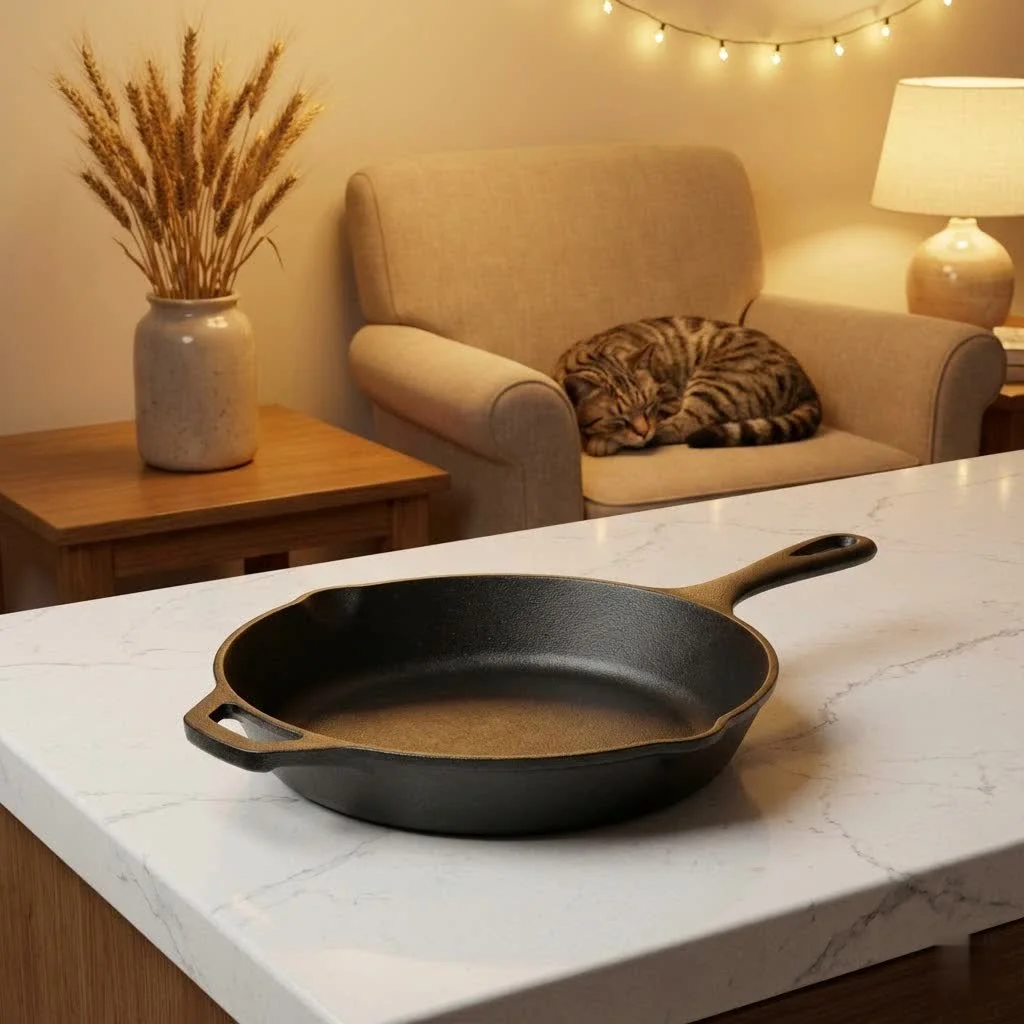
For those who appreciate durability, excellent heat retention, and a pan that can last generations, seasoned cast iron or carbon steel frying pans are fantastic choices for eggs, provided they are properly maintained and well-seasoned.
- Pros: Incredible durability, exceptional heat retention, develops a natural non-stick surface over time with proper seasoning, can go from stovetop to oven. Carbon steel is often lighter than cast iron and heats up faster.
- Cons: Requires diligent seasoning and maintenance to maintain its non-stick properties. Can be heavy (cast iron), and not as inherently slick as coated non-stick pans. Not ideal for beginners learning to cook eggs.
- Usage Tip: Preheat thoroughly over medium-low heat and use a generous amount of butter or oil. Ensure your pan is well-seasoned; if not, you’ll find your eggs sticking. Hand wash and dry immediately to prevent rust, then apply a thin layer of oil.
Stainless Steel: The Durable, High-Skill Option
Stainless steel pans are workhorses in the kitchen, known for their durability, non-reactivity, and ability to achieve a fantastic sear. However, they are generally not the go-to for eggs, especially for beginners.
- Pros: Extremely durable, non-reactive (won’t affect food taste), good heat distribution (especially clad varieties), oven-safe.
- Cons: Prone to sticking if not used with proper technique and sufficient fat. Eggs do not release as easily as from non-stick surfaces.
- Usage Tip: To minimize sticking, preheat the pan over medium heat until a drop of water beads and dances, then add oil or butter. Add eggs only once the fat is shimmering. Use a thin, flexible metal spatula for best results. This pan is more suitable for frittatas or baked egg dishes where sticking is less of a concern for flipping.
Key Features to Look for in the Best Frying Pan for Eggs
Beyond the material, several other characteristics contribute to a pan’s egg-cooking prowess.
Optimal Size for Your Needs
Size truly matters when it comes to egg pans.
- 8-inch pan: Perfect for cooking one or two fried eggs (over-easy, sunny-side-up). Its smaller circumference helps eggs hold their shape and makes flipping a single egg a breeze.
- 10- to 11-inch pan: Ideal for scrambled eggs, omelets, or cooking several fried eggs at once. This size offers ample surface area for eggs to cook quickly and evenly without crowding. If you cook various egg styles or for more than one person, a larger pan is more versatile.
Handle Design and Comfort
A comfortable, stay-cool handle is an often-overlooked feature that makes a big difference, especially when flipping eggs or transferring a frittata from stove to oven. Look for handles that are securely riveted and ergonomically designed. Stainless steel handles that remain cool on the stovetop are a plus.
Even Heat Distribution
Hot spots are the enemy of perfectly cooked eggs, leading to unevenly done whites and yolks. Pans made with materials like aluminum cores (often found in non-stick or clad stainless steel) or thick cast iron offer superior heat distribution, ensuring your eggs cook consistently across the entire surface.
Low, Gently Sloping Sides
For fried eggs and especially omelets, low, outward-sloping sides or a gently rounded rim are incredibly helpful. They make it easier to slide a spatula underneath, to fold an omelet, or to simply tip your masterpiece onto a plate without damage.
Durability and Longevity
While non-stick coatings inherently have a shorter lifespan than bare metal pans, a high-quality non-stick pan should still offer good durability. Look for pans made with robust bases (e.g., hard-anodized aluminum or stainless steel clad) that resist warping. Even the best non-stick pan will eventually need replacing, typically every few years, once the coating begins to degrade or scratch.
Expert Tips for Cooking Perfect Eggs Every Time
Even with the best frying pan for eggs, technique matters. Here are my top tips for consistently perfect results:
Proper Heat Control
Always cook eggs on low to medium heat. High heat can damage non-stick coatings, cause eggs to cook too quickly on the outside while remaining raw inside, and lead to sticking even in non-stick pans. Gentle heat yields tender, evenly cooked eggs.
The Role of Fat (Even with Non-Stick)
While non-stick pans reduce the need for excessive oil, a small amount of butter or oil is still your best friend. It adds flavor, helps promote the Maillard reaction for those coveted crispy edges on fried eggs, and provides an extra layer of insurance against sticking. Add fat to a preheated pan to prevent it from breaking down and becoming gummy.
Utensil Choice
Protect your investment! Always use silicone, wood, or heat-resistant plastic utensils with non-stick pans. Metal utensils can easily scratch and compromise the non-stick coating, drastically shortening your pan’s life.
Cleaning and Maintenance to Extend Pan Life
- Hand Wash: For non-stick pans, gentle hand washing with warm, soapy water and a soft sponge is always preferred, even if they’re labeled “dishwasher safe.” Dishwashers can be too harsh and degrade coatings over time.
- Avoid Abrasives: Skip steel wool or abrasive cleaners on non-stick surfaces.
- Season Cast Iron/Carbon Steel: For these pans, clean with hot water and a stiff brush (no soap on bare cast iron!), dry thoroughly, and apply a thin layer of cooking oil after each use to maintain the seasoning.
Storing Your Pans
To prevent scratches, especially in non-stick cookware, avoid stacking pans directly on top of each other. Use pan protectors or a dish towel between them.
As cooking expert Dr. Amelia Thorne often says, “The secret to an extraordinary omelet isn’t just in the flick of the wrist; it’s deeply rooted in the heart of a perfectly chosen pan that whispers, ‘release.'”
Frequently Asked Questions (FAQs)
What’s the ideal size pan for one egg?
An 8-inch frying pan is generally considered ideal for cooking one or two fried eggs. Its smaller size helps the eggs maintain a compact shape and makes flipping easier.
Are ceramic non-stick pans truly better than PTFE for eggs?
Both ceramic and PTFE non-stick pans can be excellent for eggs. Ceramic is often chosen for its “PFOA/PFAS-free” claims, while PTFE historically offers superior and longer-lasting non-stick performance. The “best” depends on your priorities regarding chemical concerns versus long-term durability.
Can I use metal utensils on any egg pan?
No, you should never use metal utensils on non-stick pans (PTFE or ceramic) as they can scratch and damage the coating. Metal utensils are generally safe for seasoned cast iron, carbon steel, and stainless steel, but still use them with care to avoid excessive scraping.
How often should I replace my non-stick egg pan?
The lifespan of a non-stick pan varies, but generally, you should consider replacing it every 1-5 years, or sooner if the coating begins to chip, flake, or if food starts sticking consistently, even with proper use.
Is it possible to cook eggs without any oil or butter?
While non-stick pans require very little fat, adding a small amount of oil or butter is almost always recommended for eggs. It not only aids in release but also significantly enhances flavor and texture, contributing to those desirable crispy edges on fried eggs.
Conclusion
Choosing the best frying pan for eggs can truly elevate your culinary game. While non-stick pans, both PTFE and ceramic, offer the easiest and most consistent results for most home cooks, a well-seasoned cast iron or carbon steel pan can be a rewarding choice for those willing to invest in maintenance. Stainless steel, though durable, requires advanced technique to prevent sticking with delicate eggs.
Consider your cooking style, the types of eggs you make most often, and your comfort level with pan care. Invest in a quality pan, treat it well, and you’ll enjoy perfectly cooked eggs for years to come. At Hljnt, we believe everyone deserves to enjoy the simple pleasure of a beautifully cooked egg, and with the right pan, that pleasure is always within reach. Happy cooking!
Get our weekly buyer guide
Practical specs, not advice. Unsubscribe anytime.