Walk into any professional kitchen, and you’ll likely spot a familiar glint: a well-loved Carbon Steel Frying Pan. Often hailed as the “chef’s secret,” this versatile piece of cookware has been quietly gaining a passionate following among home cooks, and for good reason. At Hljnt, with over 15 years steeped in the world of frying pans, we’ve seen countless trends come and go, but the carbon steel frying pan consistently stands out as a true champion, offering a unique blend of performance, durability, and a natural non-stick surface that improves with every use. It’s more than just a pan; it’s an investment in better cooking.
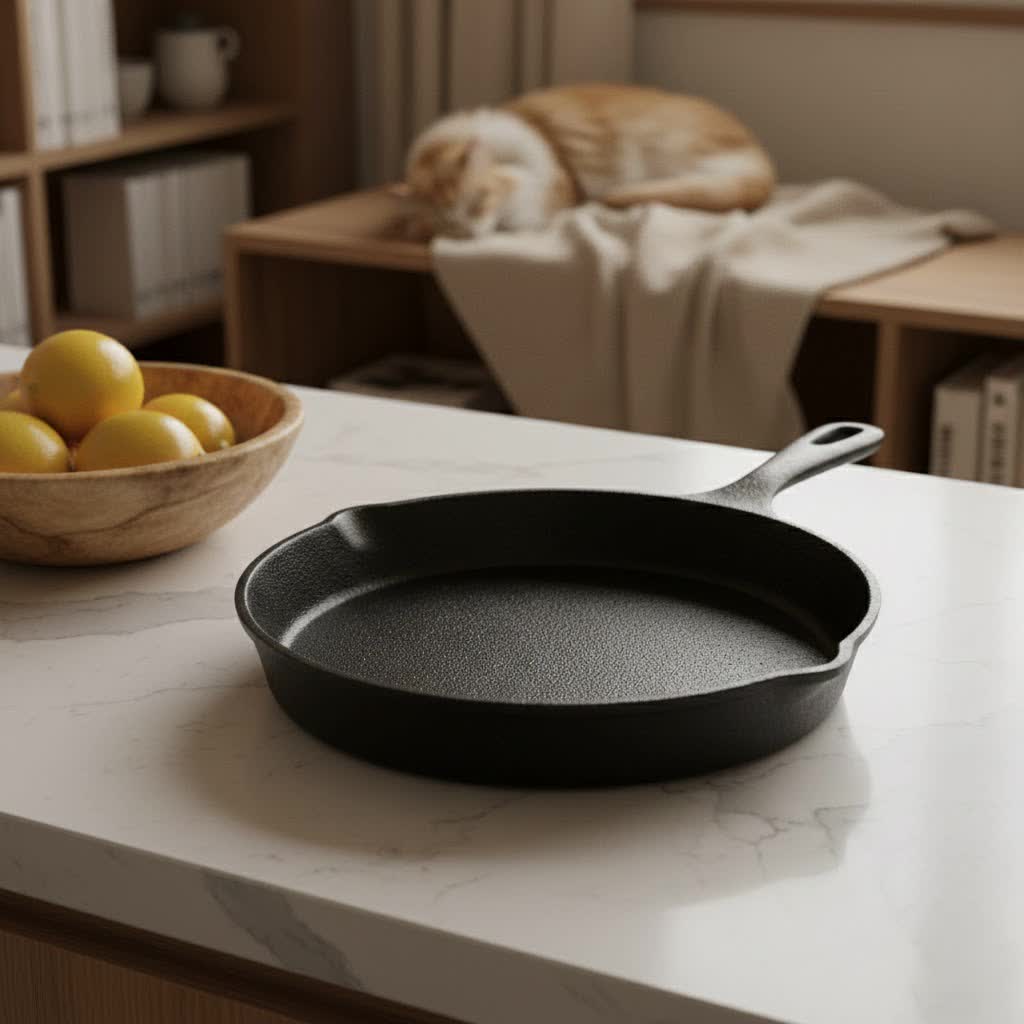
What Exactly is a Carbon Steel Frying Pan?
Empty Table.A carbon steel frying pan is, quite simply, an alloy of iron and carbon, much like cast iron, but with a significantly lower carbon content (typically less than 2%). This difference is crucial. It results in a pan that’s lighter and thinner than traditional cast iron, making it more responsive to temperature changes, yet still incredibly robust and durable. Think of it as the best of both worlds: the heat retention and natural non-stick potential of cast iron, combined with the quick heating and lighter feel of stainless steel.
Why Choose Carbon Steel? The Benefits You’ll Love
So, what makes a carbon steel frying pan such a beloved tool in the kitchen? Let’s dive into the advantages that have earned it a prime spot on stovetops worldwide.
Exceptional Heat Retention and Even Heating
Carbon steel excels at holding onto heat, which is vital for achieving that perfect sear on steaks, creating beautifully caramelized vegetables, or cooking fish with a crisp skin. But it’s not just about retention; these pans also distribute heat remarkably evenly across the cooking surface, preventing hot spots and ensuring your food cooks uniformly.
Natural Non-Stick Surface (With Proper Seasoning)
Unlike synthetic non-stick coatings that degrade over time, a carbon steel pan develops its own incredibly effective, natural non-stick surface through a process called seasoning. This layer, formed by polymerized oil, not only prevents food from sticking but also imparts a subtle depth of flavor to your dishes. The more you cook, the better the seasoning gets, creating a truly dynamic cooking surface.
Durability and Longevity
These pans are built to last. A well-maintained carbon steel frying pan can easily become a generational hand-me-down. They can withstand incredibly high temperatures, making them ideal for stovetop searing and even oven finishing. Their robust construction means they won’t warp or bend, even under intense heat, offering reliable performance for decades.
Versatility in Cooking
From delicate omelets and crispy fried eggs to searing thick cuts of meat and stir-frying vegetables, a carbon steel pan handles a vast array of cooking tasks with ease. It’s safe for use on all cooktops, including induction, and can go directly from the stovetop into the oven, making it perfect for dishes that require both searing and baking.
Lighter and More Maneuverable Than Cast Iron
While it shares many properties with cast iron, carbon steel is noticeably lighter. This makes it much easier to lift, flip, and move around the kitchen, reducing strain and making it a more comfortable pan for everyday use, especially if you enjoy sautéing and tossing ingredients.
Understanding the “Seasoning” Process
If you’re new to carbon steel, the term “seasoning” might sound intimidating, but it’s really quite simple and incredibly rewarding.
What is Seasoning?
Seasoning is the process of baking thin layers of oil onto the surface of the pan, creating a hard, non-stick, and rust-resistant coating. It’s what gives carbon steel (and cast iron) its characteristic dark, lustrous finish.
Step-by-Step Guide to Initial Seasoning
- Clean Thoroughly: Most new carbon steel pans come with a protective coating to prevent rust during shipping. You’ll need to scrub this off completely using hot water and soap. Dry immediately and thoroughly.
- Apply a Thin Layer of Oil: Using a paper towel, apply a very thin layer of a high smoke point oil (like grapeseed, flaxseed, or canola) to the entire pan, inside and out, including the handle. Wipe off any excess so it looks dry.
- Heat the Pan: Place the pan in a preheated oven (around 400-450°F / 200-230°C) upside down, or heat it on the stovetop over medium-high heat until it starts to smoke.
- Cool and Repeat: Allow the pan to cool completely. Repeat steps 2 and 3 at least 3-5 times. The pan will gradually darken with each layer.
Maintaining the Seasoning
The best way to maintain your seasoning is to simply cook with your pan! Frying and sautéing with oil will naturally reinforce the non-stick layer. Avoid harsh detergents or abrasive scrubbers, especially in the early stages, as they can strip the seasoning.
Cooking with Your Carbon Steel Pan: Tips and Tricks
Getting the most out of your carbon steel frying pan is all about understanding its nuances.
Preheating is Key
Always preheat your pan gradually over medium heat before adding food. This ensures even heat distribution and helps prevent sticking. A good test is to add a few drops of water; if they skitter across the surface, it’s ready.
Using Oils and Fats
Always use a small amount of oil or fat when cooking in carbon steel, even with a well-seasoned pan. This aids in non-stick performance and contributes to building up the seasoning over time.
Foods Suitable and Unsuitable
Carbon steel is fantastic for searing meats, frying eggs, sautéing vegetables, making pancakes, and cooking virtually anything that benefits from high, even heat. However, it’s generally best to avoid cooking highly acidic foods like tomatoes, wine sauces, or lemon juice for extended periods, especially when your pan is new, as acidity can strip away the seasoning.
Deglazing
Deglazing your pan with water or broth after cooking is a great way to release flavorful fond and can actually help reinforce the seasoning, making cleanup easier.
“The beauty of a well-seasoned carbon steel pan lies in its adaptability,” notes Chef Adrian Chen, a renowned culinary instructor and seasoned kitchenware consultant. “It’s a testament to how traditional craftsmanship can truly elevate modern cooking.”
Cleaning and Maintenance: Keeping Your Pan in Top Shape
Proper care ensures your carbon steel frying pan remains a prized possession.
Immediate Cleaning After Use
The easiest way to clean a carbon steel pan is immediately after cooking, while it’s still warm.
- Scrape off any food residue with a spatula.
- Add hot water to the pan and use a stiff brush or non-abrasive sponge to scrub it clean.
- For stubborn bits, a little coarse salt as an abrasive can work wonders.
Avoiding Soap (Mostly)
For a well-established seasoning, a tiny drop of mild dish soap won’t destroy it, but it’s generally best to avoid soap, especially initially. Hot water and a brush are usually sufficient.
Drying and Re-oiling
After cleaning, always dry your pan immediately and thoroughly on the stovetop over low heat for a minute or two to evaporate all moisture. Then, apply a very thin layer of cooking oil with a paper towel before storing. This prevents rust.
Dealing with Rust
If rust appears (usually from improper drying or storage), don’t panic! Scrub the rusted area with steel wool or a stiff brush until it’s gone. Then, wash, dry, and re-season the affected area.
Deep Cleaning/Re-seasoning
If your seasoning gets sticky, uneven, or develops a metallic taste, you might need to give it a deep clean and re-season. This involves stripping the old seasoning (often with a vinegar soak or oven cleaner, followed by thorough scrubbing) and then starting the seasoning process from scratch.
Carbon Steel vs. Its Cousins: A Quick Comparison
How does a carbon steel frying pan stack up against other popular cookware materials?
- Carbon Steel vs. Cast Iron: Carbon steel is lighter, heats faster, and is more responsive to temperature changes, while offering similar excellent heat retention and natural non-stick properties once seasoned. Cast iron is heavier, retains heat longer, but takes longer to heat up.
- Carbon Steel vs. Stainless Steel: Stainless steel is non-reactive and easy to clean, but often requires more oil to prevent sticking and doesn’t offer the same natural non-stick surface or heat retention as a seasoned carbon steel pan.
- Carbon Steel vs. Non-Stick: Synthetic non-stick pans are convenient but have a limited lifespan as their coatings degrade. Carbon steel offers a natural, durable non-stick surface that improves with age and is free from synthetic chemicals.
Choosing the Right Carbon Steel Frying Pan for You
When selecting a carbon steel frying pan, consider these factors:
- Size and Weight: Choose a size appropriate for your cooking needs and a weight that feels comfortable for you to handle.
- Handle Type: Look for a sturdy, oven-safe handle. Many come with riveted steel handles, while some have cast iron or wooden handles (ensure wooden handles are removable or not intended for oven use).
- Brand Reputation: While many great options exist, brands like De Buyer, Matfer Bourgeat, and Lodge are well-regarded for their quality carbon steel.
- Budget: Carbon steel pans offer excellent value, often costing less than premium stainless steel but providing superior performance and longevity.
Frequently Asked Questions About Carbon Steel Frying Pans
Is carbon steel really non-stick?
Yes, a properly seasoned carbon steel pan develops a natural, durable non-stick surface that improves with continued use and care.
Can I use soap on my carbon steel pan?
It’s generally recommended to avoid harsh dish soap, especially on newly seasoned pans, as it can strip the seasoning. For established seasoning, a small amount of mild soap might be okay, but hot water and a stiff brush are usually sufficient.
How often should I re-season my carbon steel pan?
There’s no strict schedule. The best way to maintain seasoning is regular cooking. You might re-season if food starts to stick, or if you notice dull spots or rust.
What if my carbon steel pan rusts?
Don’t worry! Rust can be removed by scrubbing with steel wool or an abrasive sponge. After removing the rust, wash, thoroughly dry, and re-season the affected area.
Can carbon steel pans be used on induction cooktops?
Absolutely! Carbon steel is ferromagnetic, making it perfectly suitable for all types of cooktops, including induction.
Conclusion
Embracing a carbon steel frying pan in your kitchen is like welcoming a reliable, high-performing partner that gets better with age. Its exceptional heat characteristics, natural non-stick capabilities, and incredible durability make it a standout choice for home cooks looking to elevate their culinary game. While it requires a bit of initial care and ongoing maintenance, the rewards—deliciously seared dishes, perfectly fried eggs, and a pan that truly becomes an extension of your cooking—are well worth the effort. At Hljnt, we’re confident that once you experience the magic of carbon steel, you’ll wonder how you ever cooked without it. Get ready to cook with confidence and achieve professional-level results in your own kitchen!
