Welcome, fellow cooking enthusiasts! As a seasoned culinary expert with over 15 years in the trenches of the kitchen, and a proud content creator for Hljnt.com, I’ve witnessed countless cooking trends come and go. Yet, one piece of cookware consistently stands the test of time, proving its worth with every sizzle and sear: the Iron Frying Pan. Whether you’re a seasoned chef or just starting your culinary journey, understanding the nuances of an iron frying pan, from its robust materials to its unique care requirements, is key to unlocking its full potential and elevating your cooking. At Hljnt, we believe in empowering you with deep, practical knowledge, and today, we’re diving into the world of this kitchen workhorse.
What Makes Iron Frying Pans So Special?
Iron frying pans aren’t just cookware; they’re culinary companions that promise a lifetime of delicious meals. Their enduring popularity stems from several exceptional qualities that set them apart in any kitchen.
Unmatched Heat Retention and Even Cooking
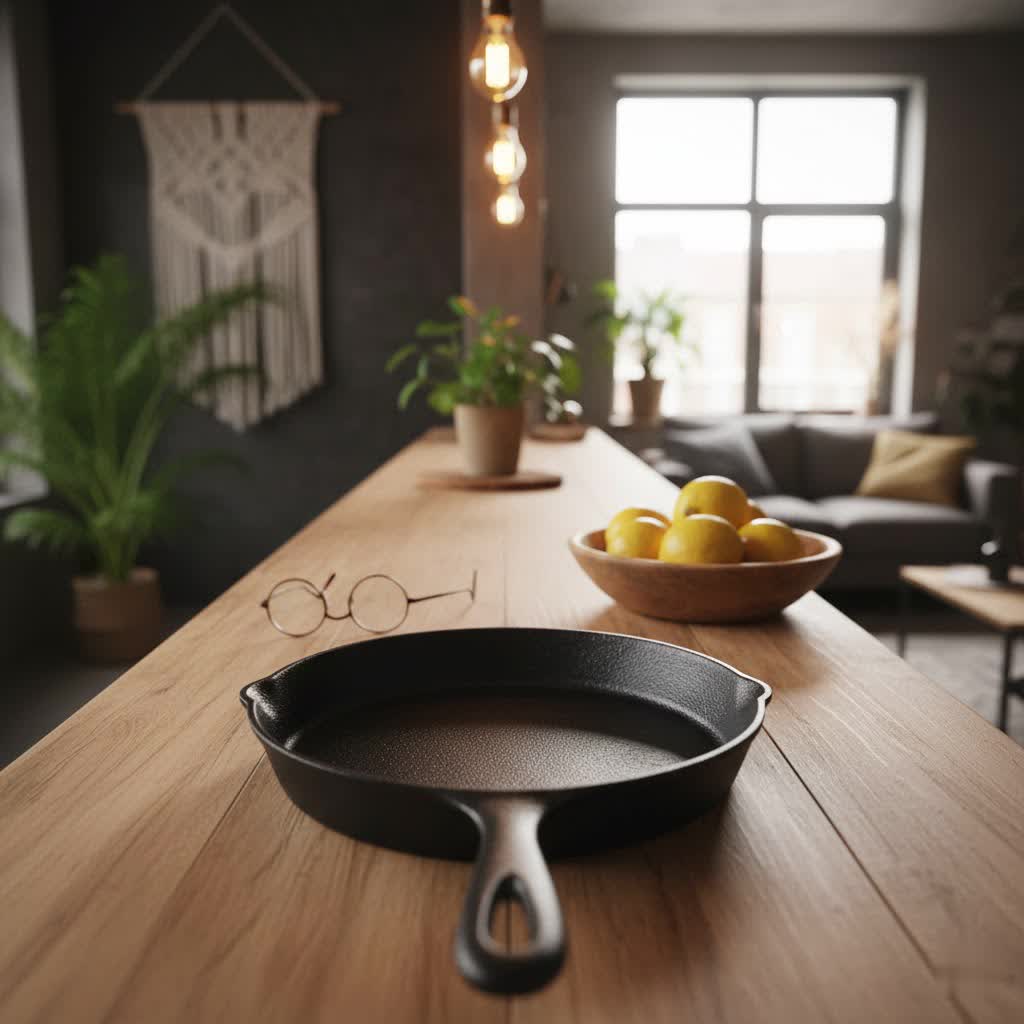
Empty Table.One of the most celebrated features of an iron frying pan is its incredible ability to retain and distribute heat. Unlike lighter pans that can develop hot spots, iron heats slowly but thoroughly, then maintains that temperature with remarkable consistency. This means whether you’re searing a steak, frying chicken, or baking a cornbread, your food cooks evenly, developing that coveted golden-brown crust without burning. This thermal mass makes them ideal for dishes requiring sustained, steady heat.
Built to Last: The Durability Factor
When we talk about durability, an iron frying pan truly shines. Crafted from robust materials like cast iron or carbon steel, these pans are virtually indestructible. They can withstand incredibly high temperatures, move from stovetop to oven with ease, and even endure the rigors of outdoor cooking over an open flame. With proper care, an iron pan isn’t just a purchase; it’s an heirloom, destined to be passed down through generations, each meal adding to its rich history and performance.
The Magic of Natural Non-Stick: Understanding Seasoning
The secret to an iron frying pan’s exceptional cooking surface lies in its “seasoning.” This isn’t just about adding salt and pepper; it’s a polymerized layer of oil that bonds to the iron, creating a naturally non-stick, easy-release surface. Over time, with regular use and care, this seasoning builds up, becoming darker, smoother, and more effective. It’s a living surface that actually improves the more you cook with it, offering a chemical-free alternative to synthetic non-stick coatings.
Versatility Beyond Compare
Few other pans can boast the versatility of an iron frying pan. Its ability to handle intense heat makes it perfect for searing meats and vegetables, achieving restaurant-quality crusts. But its utility doesn’t stop there. You can use it for shallow or deep frying, baking hearty casseroles or desserts, roasting whole chickens, or even simmering sauces. From a quick weeknight stir-fry to a slow-cooked weekend masterpiece, the iron frying pan is ready for almost any culinary challenge you can throw at it.
Cast Iron vs. Carbon Steel: Which Iron Pan Is Right for You?
When we talk about “iron frying pans,” we’re generally referring to two main types: cast iron and carbon steel. While both share the core benefits of durability and heat performance, they each have distinct characteristics that make them suitable for different cooking styles and preferences.
“Choosing between cast iron and carbon steel is often about understanding your cooking rhythm. Cast iron offers unparalleled thermal stability for slow, even cooking, while carbon steel provides a lighter touch and quicker response for agile stovetop work. Both are phenomenal, but their subtle differences cater to unique culinary needs.”
– Dr. Anya Sharma, Culinary Engineer at Hljnt.com
Cast Iron Frying Pans: The Timeless Classic
Cast iron pans are the iconic workhorses many picture when thinking of iron cookware. They are made by pouring molten iron into a mold, resulting in a thicker, heavier pan. Most modern cast iron pans come pre-seasoned, offering a head start on building that coveted non-stick surface.
- Pros:
- Superior Heat Retention: Once hot, cast iron holds its temperature exceptionally well, making it perfect for searing, deep frying, and baking.
- Robust and Indestructible: Extremely durable and resistant to warping, even at very high temperatures.
- Often Pre-Seasoned: Many new pans come with a factory seasoning, ready for immediate use after a quick wash.
- Cons:
- Heavier Weight: Can be quite heavy, making them less agile for tossing or quick movements.
- Slower to Heat and Cool: Their thermal mass means they take longer to heat up and respond to temperature changes.
- Rougher Surface: Unfinished cast iron typically has a textured surface, which becomes smoother with seasoning but can initially require more oil to prevent sticking.
- Brittle: While strong, cast iron can crack if dropped from a significant height or subjected to extreme thermal shock.
Carbon Steel Frying Pans: The Chef’s Secret
Carbon steel pans are often favored by professional chefs, particularly in French and Asian cuisine (think woks!). They are made by hammering or spinning flat sheets of an iron-carbon alloy into shape, resulting in a thinner, lighter pan.
- Pros:
- Lighter Weight: Generally lighter than cast iron, making them easier to maneuver for sautéing, flipping, and tossing.
- Quicker Heat Response: Heats up faster and responds more rapidly to temperature adjustments, offering more control.
- Smoother Surface: Typically have a smoother cooking surface, which can develop a slicker seasoning more quickly.
- Less Brittle: More forgiving if accidentally dropped compared to cast iron.
- Cons:
- Requires Initial Seasoning: Many carbon steel pans do not come pre-seasoned, requiring a dedicated initial seasoning process before first use.
- Can Warp if Too Thin: Cheaper or very thin carbon steel pans can be prone to warping if overheated too quickly.
- Less Heat Retention: While good, they don’t hold heat as long as thicker cast iron.
Side-by-Side: Iron Frying Pan Comparison
| Feature | Cast Iron Frying Pan | Carbon Steel Frying Pan |
|---|---|---|
| Weight | Heavier, substantial | Lighter, more maneuverable |
| Heat Response | Slow to heat, excellent heat retention | Quicker to heat, more responsive to temp changes |
| Surface Texture | Typically rougher (smoothens with seasoning) | Generally smoother |
| Durability | Extremely durable, but can be brittle | Very durable, less brittle, more flexible |
| Initial Seasoning | Often pre-seasoned | Usually requires user seasoning |
| Best Uses | Searing, frying, baking, deep frying, slow cooking | Sautéing, stir-frying, quick searing, delicate foods |
Mastering Your Iron Frying Pan: Essential Usage Tips
Cooking with an iron frying pan is a truly rewarding experience, but it does come with its own set of best practices. Understanding these will help you achieve perfect results and prolong the life of your pan.
The Art of Preheating: Patience is a Virtue
One of the most common mistakes newcomers make is not allowing their iron pan enough time to preheat. Iron takes longer to heat up evenly, but once it does, it’s a heat-retaining marvel. Always place your pan over medium-low heat for several minutes before adding any oil or food. How long is enough? A good rule of thumb is 5-10 minutes, depending on the size of your pan. When a few drops of water dance and evaporate quickly, or a thermal gun reads around 350-400°F (175-200°C), you’re ready to cook. This slow, even preheating prevents food from sticking and ensures consistent cooking.
Choosing the Right Oil for High-Heat Cooking
When cooking with an iron frying pan, especially for searing or frying, select oils with a high smoke point. Oils like canola, grapeseed, avocado, or even lard are excellent choices. They can withstand the high temperatures an iron pan reaches without breaking down, preventing off-flavors and maintaining your seasoning. Olive oil, particularly extra virgin, has a lower smoke point and is better reserved for finishing dishes or lighter sautés once the pan is off the direct high heat.
What Not to Cook (Initially) in Your Iron Pan
While incredibly versatile, there are a few things to be mindful of, especially with a newly seasoned or unenameled iron pan. Highly acidic foods like tomatoes, citrus juices, or vinegar-based sauces can strip away the pan’s seasoning, potentially leading to rust and imparting a metallic taste to your food. It’s generally best to avoid these until your pan has developed a robust, well-established seasoning over many uses.
Utensils and Techniques for Optimal Results
Unlike delicate non-stick coatings, iron frying pans can handle metal utensils. Spatulas, tongs, and even metal scrubbers (for cleaning) are perfectly fine. When cooking, avoid overcrowding the pan; this can lower the pan’s temperature and steam your food instead of searing it. Let your food cook undisturbed until it naturally releases from the pan – don’t fiddle with it too much. This patience allows a beautiful crust to form. For delicate items like eggs, ensure your pan is well-seasoned and adequately preheated with a generous amount of fat.
The Lifelong Bond: Care and Maintenance for Your Iron Frying Pan
The true beauty of an iron frying pan lies not just in its performance, but in its ability to last a lifetime, or even several. This longevity, however, hinges on consistent care and maintenance.
The Initial Seasoning and Re-Seasoning Process
If your iron frying pan isn’t pre-seasoned, or if your existing seasoning needs a refresh, here’s a simple process:
- Clean Thoroughly: Wash your pan with warm, soapy water and a stiff brush (this is one of the rare times mild soap is okay, especially for a new pan or stripping old seasoning). Rinse completely.
- Dry Immediately and Completely: This is crucial to prevent rust. You can towel dry, then place the pan on low heat on the stovetop for a few minutes until any residual moisture has evaporated.
- Apply a Thin Layer of Oil: Using a paper towel, apply a very thin and even coat of high-smoke-point cooking oil (like flaxseed, grapeseed, or canola) to the entire pan – inside, outside, and handle. Buff it until it looks almost dry, as if there’s no oil left, to prevent stickiness.
- Bake: Place the pan upside down in a preheated oven (around 400-450°F or 200-230°C) for one hour. Placing a foil-lined baking sheet on a lower rack can catch any drips.
- Cool and Repeat: Turn off the oven and let the pan cool completely inside. Repeat the oiling and baking process 2-4 more times for a strong initial seasoning. Each layer builds resilience.
Daily Cleaning Rituals: Keeping Rust at Bay
After cooking, cleaning your iron frying pan doesn’t have to be a chore.
- Wipe Warm, Not Hot: It’s easiest to clean while the pan is still warm, but not scorching hot.
- Hot Water and Scraper/Brush: For most messes, hot water and a stiff brush or a pan scraper are all you need. Scrub away food bits.
- Salt for Stubborn Spots: For truly stuck-on food, a tablespoon of coarse salt and a little oil can act as a gentle abrasive. Rub with a paper towel, then rinse.
- Mild Soap is Okay (Sometimes): The old wives’ tale about never using soap on cast iron is largely outdated. Modern mild dish soaps are fine for occasional use, especially if food is particularly greasy or sticky. Just ensure it’s thoroughly rinsed. Avoid harsh detergents.
- Dry, Dry, Dry! This cannot be stressed enough. After washing, towel dry immediately and then place the pan over low heat on the stovetop for a few minutes until it is bone-dry.
- Light Oil After Drying: Once dry, rub a very thin layer of cooking oil over the entire cooking surface with a paper towel. This protects the seasoning and prevents rust.
Proper Storage for Longevity
How you store your iron frying pan is almost as important as how you clean it. Always ensure your pan is completely dry and lightly oiled before storing. If stacking pans, place a paper towel or cloth between them to absorb any residual moisture and prevent scratches. Store in a dry environment to avoid any chance of rust.
Frequently Asked Questions About Iron Frying Pans
Have a few more questions rattling around your kitchen? Here are some common queries we hear at Hljnt:
Can I use soap on my iron frying pan?
Yes, you can use mild dish soap on your iron frying pan. The old advice against it stemmed from harsher lye-based soaps that could strip natural seasoning. Modern, mild dish soaps are generally fine, especially for well-seasoned pans. Just ensure you rinse thoroughly and dry immediately and completely after washing.
How often should I season my iron frying pan?
For a pan in regular use, you might only need to do a full re-seasoning every few months, or if you notice dull, dry patches or food starting to stick. Each time you cook with oil, you’re actually adding to the seasoning layer. A light oil application after each wash and dry is usually sufficient for daily maintenance.
Why is my food sticking to my iron frying pan?
Food sticking is usually a sign of insufficient seasoning, improper preheating, or not using enough cooking fat. Ensure your pan is well-seasoned, preheat it slowly and thoroughly on medium-low heat, and use an adequate amount of high-smoke-point oil or fat for cooking.
What kind of oil should I use for seasoning and cooking?
For seasoning, oils with a high polymerization rate like flaxseed oil are excellent, though grapeseed, canola, or vegetable oil also work well. For cooking, choose oils with a high smoke point such as canola, grapeseed, avocado, or lard, especially for high-heat applications like searing.
Can I put my iron frying pan in the dishwasher?
No, absolutely not! Never put an iron frying pan in the dishwasher. The harsh detergents and prolonged exposure to water will strip its seasoning and cause immediate rust, severely damaging your pan. Always hand wash.
What does it mean if my iron frying pan is rusty?
Rust indicates that the iron has been exposed to moisture without adequate seasoning or drying. Don’t panic! Surface rust can often be removed by scrubbing with steel wool or a stiff brush, warm water, and a little soap. Once the rust is gone, dry thoroughly and then perform a full re-seasoning process.
Embrace the Iron Frying Pan Journey
The iron frying pan is more than just a piece of kitchen equipment; it’s a testament to timeless cooking techniques and enduring quality. With a little understanding and consistent care, your iron frying pan will become an indispensable part of your culinary life, delivering exceptional meals and growing in character with every dish. At Hljnt, we’re passionate about helping you forge that bond with your cookware. So, go ahead, embrace the sizzle, master the seasoning, and unlock the rich flavors that only an iron frying pan can provide. Happy cooking!
