Welcome, fellow food enthusiasts, to a world where culinary convenience meets delightful precision! As a seasoned frying pan specialist with over 15 years in the kitchen trenches and a content creator for hljnt.com, I’ve seen countless cookware trends come and go. Yet, one humble hero consistently holds its ground: the Mini Frying Pan. This pint-sized powerhouse isn’t just adorable; it’s a game-changer for anyone looking to master perfect portions, streamline cooking, and add a touch of charm to their culinary adventures. Forget the notion that bigger is always better – sometimes, the best things truly come in small packages.
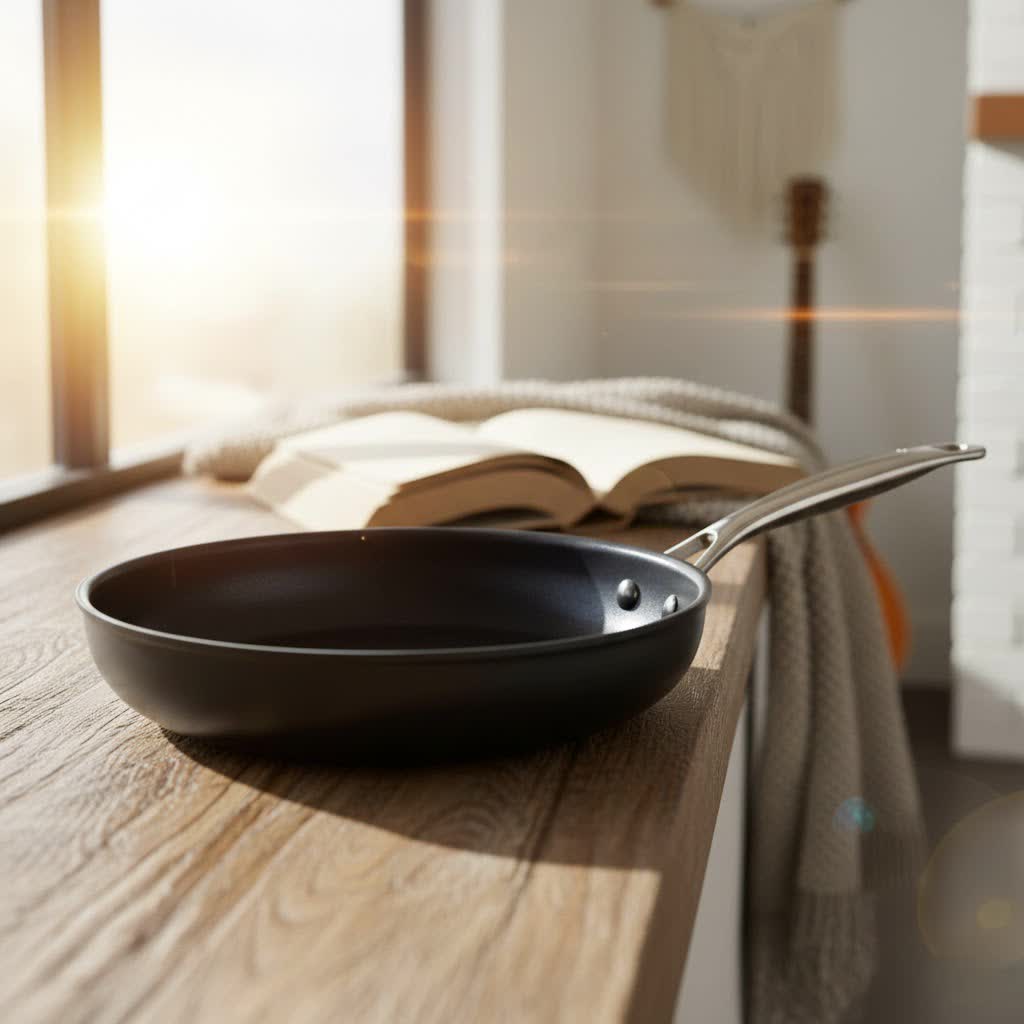
Why a Mini Frying Pan Deserves a Spot in Your Kitchen
You might be wondering, “Do I really need another pan?” And to that, I say, “Absolutely, when it’s a mini frying pan!” This compact utensil opens up a world of possibilities that larger pans often overlook.
Perfect Portions, Every Time
Let’s be honest, we’ve all overcooked a single egg or drowned a small pancake in a pan that’s simply too big. This is where the mini frying pan shines. It’s the undisputed champion for:
- Flawless Fried Eggs: Achieve that perfectly round, sunny-side-up or over-easy egg, ideal for breakfast sandwiches or topping off a bowl of ramen.
- Individual Omelets & Scrambles: Whip up a quick, personalized omelet packed with your favorite fillings without the mess of a larger pan.
- Single Pancakes or Blinis: Craving just one fluffy pancake? A mini frying pan ensures even cooking and a delightful presentation.
- Kids’ Meals: Small appetites call for small portions. Cook a mini quesadilla or a tiny batch of veggies specifically for your little ones.
- Portion Control: For those mindful of their intake, a mini frying pan makes it easy to stick to single servings for various dishes like skillet cookies or potato cakes.
Specialty Tasks Made Easy
Beyond individual meals, these diminutive pans excel at niche culinary tasks, often performing better than their larger counterparts.
- Toasting Nuts and Spices: Ever tried to evenly toast a small handful of pine nuts or a pinch of cumin seeds in a big skillet? It’s a game of chase! A mini frying pan provides a contained, even heat surface to bring out their full aroma and flavor.
- Melting Butter or Small Sauces: Need a quick tablespoon of melted butter for popcorn or a small batch of garlic butter for dipping? The mini pan heats up incredibly fast and is easy to clean. It’s also perfect for infusing oils or warming brandy.
- Serving Dips and Small Dishes: Cast iron mini pans, in particular, are fantastic for serving warm dips or individual pot pies, keeping them hot at the table and adding a rustic charm.
Space-Saving & Travel-Friendly
In kitchens where counter and cabinet space are precious commodities, a mini frying pan is a minimalist’s dream. It tucks away easily and, for the adventurous chef, some designs are even perfect for camping or travel, proving that great cooking isn’t confined to a full-sized kitchen.
As Chef An Thạch from hljnt.com often remarks, “In my 15 years, I’ve learned that true kitchen efficiency isn’t about having the biggest tools, but the right tools. A quality mini frying pan, used effectively, can elevate everyday cooking with its delightful simplicity and surprising versatility.”
Choosing Your Perfect Mini Frying Pan: Materials & Coatings Decoded
Just like their larger brethren, mini frying pans come in a variety of materials, each with its own strengths and ideal uses. Understanding these differences is key to picking the perfect one for your needs.
Non-Stick (PTFE & Ceramic)
What it is: These pans typically feature an aluminum or stainless steel base coated with a non-stick layer. PTFE (polytetrafluoroethylene), often known by brand names like Teflon, is a common non-stick coating. Ceramic coatings are a popular alternative, often marketed as PFAS-free.
Why it’s great for mini pans: Unbeatable for delicate foods that tend to stick, such as eggs, single pancakes, and delicate fish fillets. The non-stick surface makes flipping and cleaning incredibly easy.
Considerations: PTFE coatings are durable when cared for properly but require adherence to heat limits. Ceramic options are often seen as a “greener” choice, but some may lose their non-stick properties faster over time. Always use low to medium heat to protect the coating.
Cast Iron
What it is: A traditional, heavy-duty material known for its exceptional heat retention and durability. Cast iron pans often come pre-seasoned, but benefit from ongoing seasoning.
Why it’s great for mini pans: Ideal for searing small cuts of meat or achieving a crispy crust on potato cakes. A mini cast iron skillet can also go directly from the stovetop to the oven, perfect for individual baked desserts like skillet cookies or mini cobblers.
Considerations: Cast iron takes longer to heat up but distributes heat very evenly. It’s heavier than other materials and requires specific care, including seasoning and avoiding harsh soaps, to prevent rust and maintain its non-stick properties.
Carbon Steel
What it is: A material that bridges the gap between cast iron and stainless steel. It’s lighter than cast iron but offers similar excellent heat retention and can develop a natural non-stick patina with seasoning.
Why it’s great for mini pans: Heats up quickly and is very responsive to temperature changes, making it versatile for many tasks. Like cast iron, it becomes increasingly non-stick with use and is oven-safe (if the handle allows). It’s compatible with all cooktops, including induction.
Considerations: Requires seasoning and proper care similar to cast iron to prevent rust and build its non-stick surface.
Stainless Steel
What it is: A durable, non-reactive material that’s a staple in professional kitchens. Stainless steel is often “clad” with aluminum or copper layers to improve heat conduction, as stainless steel alone is not the best conductor.
Why it’s great for mini pans: Excellent for tasks requiring browning and searing where a non-stick surface isn’t critical. It’s durable, resistant to scratching, and won’t react with acidic foods, making it suitable for small sauces.
Considerations: Not naturally non-stick, so it requires more oil or fat and proper preheating to prevent food from sticking. Cleaning can be more challenging if food burns on.
What to Consider When Choosing Your Mini Frying Pan
When you’re ready to bring a mini frying pan home, keep these key factors in mind:
- Size: Most mini pans range from 4 to 8 inches (10-20 cm). A 6-inch pan is often perfect for a single egg or small portion.
- Handle Type: Ensure the handle is comfortable and consider if you need it to be oven-safe. Some designs feature removable handles for oven use or folding handles for compact storage.
- Stove Compatibility: Verify it works with your specific stovetop, especially if you have an induction cooktop (which requires magnetic materials like cast iron, carbon steel, or certain stainless steel types).
- Non-Toxic Coatings: If choosing non-stick, look for pans that explicitly state they are free from PFAS, PFOA, lead, and cadmium for peace of mind.
- Weight & Balance: Even small pans should feel balanced and comfortable to handle.
Master the Art of Mini Frying Pan Care
To ensure your mini frying pan remains a beloved kitchen tool for years to come, proper care is paramount. This is especially true for non-stick surfaces, which, despite their convenience, require a gentle touch.
Gentle Heat, Happy Pan
Overheating is the number one enemy of most frying pans, particularly non-stick varieties.
- Low to Medium Heat is Key: Always use low to medium heat settings for cooking. High temperatures can damage the coating and reduce its effectiveness over time.
- Never Heat an Empty Pan: Always add a little oil, butter, or food before turning on the heat. An empty pan can overheat rapidly and degrade the surface.
- Avoid Thermal Shock: Do not plunge a hot pan into cold water. This sudden temperature change can cause warping and damage to the pan’s structure. Let it cool down naturally first.
- Be Mindful of Oils: While a little fat is good, avoid extra virgin olive oil for high-heat frying in non-stick pans, as its low smoke point can lead to sticky residue. Cooking oil sprays can also cause buildup that’s hard to remove. Opt for oils with higher smoke points like avocado, rice bran, or canola oil.
The Right Tools for the Job
Your choice of utensil can significantly impact the lifespan of your mini frying pan.
- Go Soft: Stick to silicone, wooden, or nylon utensils. Metal spatulas, spoons, or whisks can easily scratch and damage non-stick coatings, even if the manufacturer claims “metal utensil safe.” It’s simply not worth the risk!
- No Cutting in the Pan: Resist the urge to cut food directly in your pan, as this can create scratches and compromise the surface.
Cleaning & Storage Best Practices
Maintaining the pristine condition of your mini frying pan is straightforward with these tips:
- Handwashing is Best: While some pans claim to be dishwasher-safe, I strongly recommend handwashing all non-stick pans. The harsh detergents and high temperatures in dishwashers can erode the coating and loosen handles, significantly shortening the pan’s life.
- Gentle Cleaning: Use warm soapy water and a soft sponge or cloth. For stubborn food residue, let the pan soak for 15-20 minutes with warm soapy water before gently cleaning. Avoid abrasive scrubbers like steel wool.
- Dry Thoroughly: Always dry your pan completely before storing to prevent water spots or rust, especially with cast iron.
- Protect During Storage: If stacking pans, place a dishcloth or pan protector between them to prevent scratches on the cooking surface.
Frequently Asked Questions about Mini Frying Pans
What size is considered a mini frying pan?
Generally, mini frying pans range from 4 to 8 inches (10 to 20 cm) in diameter. The smaller sizes, like 4-6 inches, are perfect for single eggs or very small portions, while 7-8 inches offer a bit more versatility for individual meals or side dishes.
Can I use a mini frying pan on an induction cooktop?
It depends on the material of the mini frying pan. Induction cooktops require cookware with a magnetic base, such as cast iron, carbon steel, or certain types of stainless steel. Many aluminum or ceramic pans may not be induction compatible unless they have a bonded magnetic base. Always check the manufacturer’s specifications.
Are mini non-stick frying pans safe?
Modern non-stick mini frying pans are generally safe when used as directed. The key is to avoid overheating them (stick to low to medium heat) and use appropriate utensils (silicone, wood, or nylon) to prevent damage to the coating. Look for pans certified as PFAS-free for added peace of mind.
How do I season a mini cast iron frying pan?
To season a mini cast iron frying pan, wash it with warm water (no soap), dry thoroughly, then apply a very thin layer of high smoke point oil (like flaxseed or grapeseed oil) over the entire surface. Wipe off any excess, then bake it upside down in an oven at 400-450°F (200-230°C) for an hour. Let it cool completely in the oven. Repeat this process a few times to build a strong seasoning.
Can I put my mini frying pan in the dishwasher?
While some manufacturers claim “dishwasher-safe,” it’s generally recommended to handwash all frying pans, especially non-stick ones. The harsh detergents and high heat in dishwashers can degrade the non-stick coating and cause damage over time, shortening the pan’s lifespan.
What’s the best mini frying pan for eggs?
For perfectly cooked eggs that slide right off, a non-stick mini frying pan (either PTFE or ceramic-coated) is often considered the best choice. Its slippery surface ensures easy flipping and cleanup, making it ideal for delicate items like fried or scrambled eggs and omelets.
Embrace the Charm of Small-Scale Cooking
There you have it – a comprehensive dive into the world of the mini frying pan! From its undeniable charm to its incredible functionality, this compact kitchen tool is truly a powerhouse. Whether you’re a single dweller, a parent cooking for little ones, or simply someone who appreciates culinary precision and efficiency, a quality mini frying pan will undoubtedly become a cherished part of your cooking arsenal. So go ahead, explore the possibilities, and embrace the magic of small-scale cooking. Your taste buds, and your tidy kitchen, will thank you!
